E-Paper



Wheat export ban lifted, but high prices may limit shipments
Despite government stocks easing food-security worries, high prices may hinder immediate large exports, with actual shipments remaining at around 60,000 tonnes.

 Prefer HTon Google


India on Monday removed restrictions on wheat exports, allowing traders to ship the grain and flour freely after months of quota-based exports, as comfortable government stocks eased food-security concerns. However, traders said the policy change may not immediately translate into large shipments because Indian wheat remains too expensive for most overseas markets.
The Directorate General of Foreign Trade (DGFT), in a notification dated August 24, revised the export policy for durum wheat and other wheat from “Prohibited” to “Free” with immediate effect. The move comes alongside a separate notification freeing exports of wheat flour and related products, including atta, maida and semolina.
The government had initially allowed wheat exports only in limited quantities. It first opened a 2.5 million tonne quota in February and later approved another 2.5 million tonnes, taking the total quantity permitted for export to 5 million tonnes.
Also Read | Bangladesh plans to buy wheat from India as global supply tightens
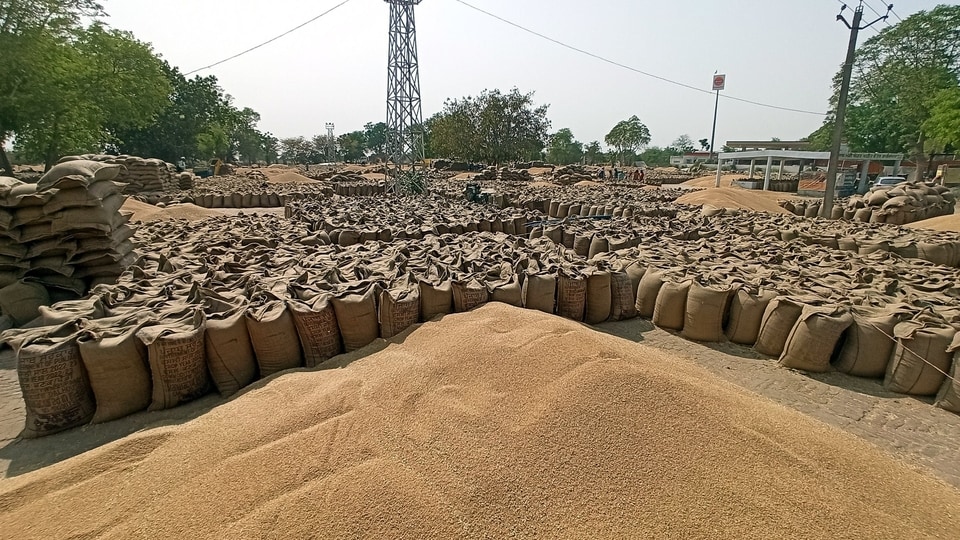
The restrictions are now being removed altogether, against the backdrop of a much stronger domestic supply position. Food Corporation of India wheat stocks stood at 50.5 million tonnes on August 1, up nearly 46% from a year earlier and at a five-year high.
Government wheat procurement during the 2026-27 marketing season reached about 35.76 million tonnes, exceeding the revised target of 34.6 million tonnes.
The move also comes as global wheat supplies face disruption. Attacks on Russian and Ukrainian grain infrastructure have disrupted Black Sea shipments, while Chicago wheat futures have risen more than 17% since early July, traders said.
The head of an international commodity trading association told HT that the decision was made possible because government wheat stocks are comfortable and there is no immediate food security concern. But he said exports remain difficult because Indian wheat is currently priced higher than global prices.
Also Read | India unlikely to ease ban on wheat export
“At an exchange rate of ₹95.7 to the dollar, Black Sea wheat at about $270 a tonne works out to roughly ₹2,580 per 100 kg before freight. Once freight to Southeast Asia is added, the price rises to about $310-315 a tonne, or roughly ₹2,970-3,015 per 100 kg,” he said. Indian wheat at Kandla—a major commercial port in Gujarat—would need to be around ₹2,600 per 100 kg for exporters to roughly break even. Right now, prices are hovering at about ₹2,700 per 100 kg, he said.
“It is at this price equation that earlier export quotas have not translated into anything close to the permitted volumes,” the person citing above said, requesting anonymity.
Also Read | Punjab’s wheat yield dips, still tops country
Trade sources said actual exports so far have been very small, comprising only around 60,000 tonnes of wheat products, apart from small flows of wheat to Bangladesh.