E-Paper



Indian Army to get loitering munitions worth ₹1,577 crore
The defence ministry signed two contracts with Tata Advanced Systems and Nibe for loitering munitions and equipment to boost Army’s precision-strike.

 Prefer HTon Google


The defence ministry on Friday signed two contracts worth ₹1,577 crore with Tata Advanced Systems Ltd and Nibe Pvt Ltd for loitering munitions (or kamikaze drones) and associated equipment to boost the Indian Army’s precision-strike capabilities.
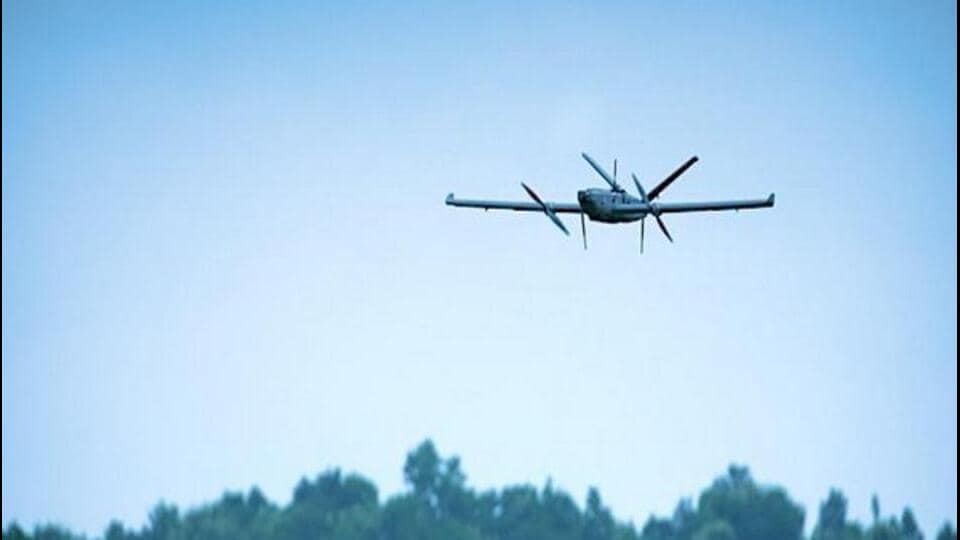
“The loitering munition system is critical equipment that can enhance the capability of artillery regiments and boost the overall operational effectiveness of the Indian Army,” the ministry said.
Also Read | Military plans to add raft of weapons next year to bolster combat readiness
Why ₹1,577 crore contracts?
This comes as the army plans to induct tens of thousands of locally made unmanned aerial systems and loitering munitions over the next five years to boost its battlefield capabilities, given the growing impact of these systems on military operations and how they have reshaped modern warfare, as visible in ongoing global conflicts, including the US-Israel war with Iran.
“Procured from Indian vendors under the ‘Buy Indian’ scheme through a fast-track procedure, this initiative will further strengthen the vision of self-reliance in defence,” the ministry added while announcing the two deals.
The army’s requirement spans 80 different types of unmanned systems for specific roles, including intelligence, surveillance and reconnaissance, precision strikes, munition dropping, air defence, jamming, mine warfare, data relay and logistics, according to a Technology Roadmap for Unmanned Aerial Systems and Loitering Munitions unveiled in April. Defence minister Rajnath Singh earlier said India must take steps to position itself as a global hub for drone manufacturing by 2030.
Also Read | New weapons, specialist units to boost army’s capabilities
What do systems include?
The systems required by the army for surveillance include high-altitude long-endurance UAS (unmanned aerial systems), medium-altitude long-endurance UAS, high-altitude pseudo-satellites and unmanned air littoral systems (UALs) for long-, medium- and short-range surveillance, according to the roadmap.
The army is seeking loitering munitions to strike at long, medium and short ranges, drone swarms (for surveillance and strike), and FRV (first-person-view) drones with strike capability. It also wants to deploy unmanned systems in special roles, including hunter-killer-configured UALs and systems with guided/unguided bombs.
The roadmap aligns with India’s plans to raise a drone force under another roadmap, Defence Forces Vision 2047, which was released in March.