
 E-Paper



PLA soldier handed over to China recently hadn’t strayed into India, says intel
Indian intelligence agencies have been able to spot movement of entities in the Daulet Beg Oldi (DBO) sector near Karakoram, the contested points on banks of Pangong Tso and across the LAC in Sikkim and Arunachal Pradesh.

 Prefer HTon Google


Communication intercepts by Indian intelligence agencies from across the Line of Actual Control (LAC) in Ladakh, Sikkim and Arunachal Pradesh reveal heightened activity of the People’s Liberation Army (PLA) own intelligence all along the undefined border with India in an attempt to get information on Indian Army movements and the on-going border infrastructure upgrade being carried out by India.
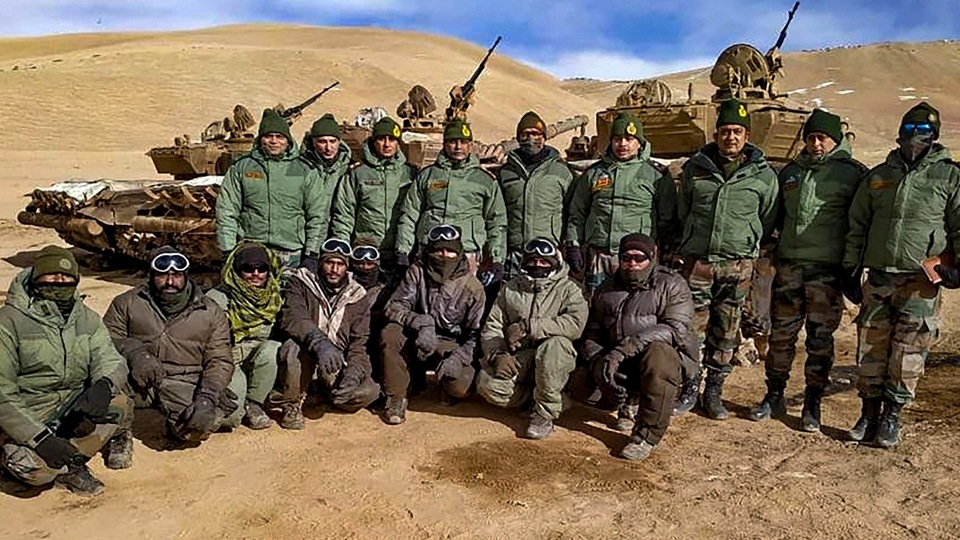
While the South Block is tight-lipped about the issue, intelligence agencies have been able to spot movement of entities in the Daulet Beg Oldi (DBO) sector near Karakoram, the contested points on banks of Pangong Tso and across the LAC in Sikkim and Arunachal Pradesh. The movement of these entities identified on the basis of communication intercepts has been conveyed to Indian Army brass and the national security establishment at the apex level.
Indian and Chinese troops have been locked in an impasse all along the LAC in East Ladakh for the past eight months. The two sides have held eight rounds of talks, but not been able to arrive at a workable mechanism for de-escalation and disengagement.
The arrest of an unidentified Chinese solider in the early hours of January 8 in the area south of Pangong Tso in East Ladakh came after he was tracked through technical means; intelligence officials say this was not a benign incident of a PLA trooper simply straying across the undefined border.
China military online, an official website of PLA claimed: “Due to darkness and complicated geography, a solider of the Chinese PLA defence force went astray on the China-India border early Friday (January 8) morning.” The trooper was handed over by Indian Army to the Chinese side on January 11 at the Chushul Moldo point.
Similarly, PLA Corporal Wang Ya Long was picked up by the Indian Army in the Demchok sector of East Ladakh on October 19 and handed back to PLA on October 21. The apprehended corporal claimed that he was trying to help local herders locate a lost yak.
While PLA has tried to dismiss these incidents and claims to be committed to disengagement and de-escalation from contested points in East Ladakh, Indian intelligence agencies are worried about movement of Chinese individuals (entities or resources in intelligence lingo) in sensitive East Ladakh, Sikkim and Arunachal sector, with communication intercepts showing that they cross over to Indian territory and remain there for days.
For example, in East Ladakh, entities have been located across DBO sector, Pangong Tso, Khurnak Fort in occupied Aksai Chin as well as in Chumbi Valley and just across the Arunachal LAC. Communication intercepts show strong Chinese activity across LAC with the construction of new roads, temporary shelters and sometime permanent settlements.
Since PLA has only exchanged maps of its positions in the Central sector, the entities are using the non-demarcated border to their advantage. Given the experience with Pakistani intruders in Kargil in 1999, Indian intelligence officials said they are taking no chances.
In response to the furious military infrastructure activity by PLA across LAC, the Indian Army has put the reserve troop division also called strike division attached to Eastern Command on stand-by in north Assam.


