E-Paper



We need to to actively manage our tiger population now: NTCA member secretary
SP Yadav, Member Secretary, National Tiger Conservation Authority, Union Environment Ministry said in an interview that the focus is on efforts to strike a balance between conservation and development

 Prefer HTon Google


On the occasion of 50 years of Project Tiger, India is dealing with a unique challenge where tiger numbers are steadily increasing but several tiger reserves have also reached capacity and forest areas are being diverted for infrastructure projects. Making space for tigers and other predators along with their prey while India is on a high growth trajectory will need careful management . SP Yadav, Member Secretary, National Tiger Conservation Authority, Union Environment Ministry said in an interview that the focus is on efforts to strike a balance between conservation and development.Edited excerpts:
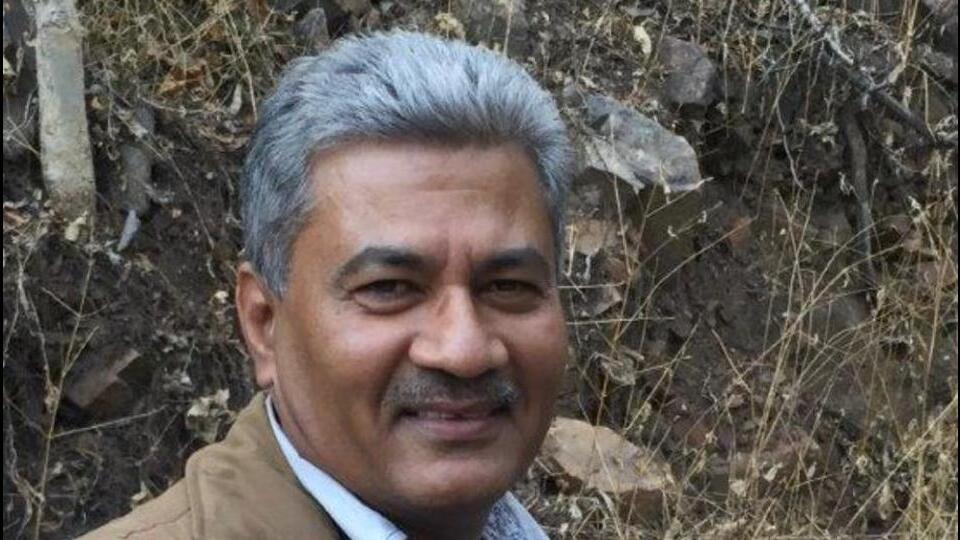
On the occasion of 50 years of Project Tiger, what is the government’s vision for the species? How will India manage conservation of Tigers?
The tiger population in India is showing an increasing trend unlike many other tiger range countries. Besides India, only Russia, Bhutan and Nepal have indicated positive trends in tiger numbers. In all other countries the tiger population is stable, decreasing or they have lost all their wild tigers . The goals of tiger conservation in India are to have a viable and sustainable population of tigers based on scientifically calculated carrying capacity and to bring all potential tiger habitats under the umbrella of Project Tiger and National Tiger Conservation Authority. India is a developing country and we also need economic growth, development and employment. All proposals of developmental activities in wildlife areas or corridors go through a rigorous process of scrutiny and approvals are given, only with mitigation measures, by the standing committee of the National Board for Wildlife and as per the guidelines on mitigation measures for linear infrastructure besides consulting institutes like Wildlife Institute of India. Efforts are made to strike a balance between conservation and development.
How has India managed to successfully increase tiger numbers?
We are managing tiger reserves on scientific principles. There are several tiger reserves where tiger population has reached their carrying capacity like Corbett, Kanha, Pench, Bandhavgarh, Tadoba Andheri, Ranthambore, Panna . At the same time there are other tiger reserves which are low density and have potential to accommodate more tigers. We need to actively manage our tiger population. Every tiger reserve has a Tiger Conservation Plan and a long-term conservation strategy in place. This is a statutory requirement and prepared on scientific principles. This contains all aspects of management like habitat, protection, communication, evaluation and monitoring, managing conflicts . NTCA has also issued several guidelines to deal with critical situations. The government provides funding support to tiger range states under the ongoing Centrally Sponsored Scheme of Project Tiger based on a plan prepared according to the prescriptions of the Tiger Conservation Plan. Besides central funding, state governments also utilise their budget on this venture. Tiger reserves also have Tiger Conservation Foundations which recycle the revenue earned from tourism. In buffer areas, people’s involvement is ensured through eco-development committees. Tiger reserves provide direct and indirect employment to the local people through eco-tourism and ancillary activities which is important to garner their support for tiger conservation. The Indian model of tiger conservation with core-buffer-corridor strategy has become a “role model” for other tiger range countries.
How will we manage tigers outside protected reserves? Will wildlife corridors be legally acquired?
Roughly 30% tigers are found outside protected areas in our country. But these territorial forests also have a protection mechanism for wildlife. NTCA is providing funding support to such tiger rich areas outside tiger reserves. The goal is to bring such habitats under the coverage of Project Tiger. Corridors are defined in the Wildlife Protection Act and have been identified during successive tiger censuses. They do get surrogate legal protection by incorporating such areas under the statutory Tiger Conservation Plan.
Are we willing to share/introduce tigers in neighbouring tiger range countries? We are considering which countries?
We have signed an MoU with Cambodia for providing technical support in tiger reintroduction and biodiversity conservation. We intend to provide them all technical support once they are prepared to reintroduce tigers. We have several best practices in tiger and other wildlife conservation to share. India has bilateral protocol and mechanism of dialogue with neighbouring countries like Nepal, Bhutan, Bangladesh and Myanmar for tiger conservation.
What is your vision/plan for big cats in India including the cheetah and the lion?
The vision is to have a viable and sustainable population of all big cats in their natural habitat. We wish to ensure management and conservation of all big cats on scientific principles, reduce conflicts and ensure their protection.
How will you address impacts of linear infrastructure in protected areas?
There are clear guidelines on mitigation measures to be adopted with respect to linear infrastructure like roads, railway lines, canal, transmission lines, laying of OFC cable . Such linear infrastructure is allowed only with safe animal passage plans. There are some good examples already like the elevated road (NH) in Kanha-Pench corridor which is being used by tigers and other wild animals for passage frequently. While considering such proposals, realignment and possibility of avoidance of such areas are also examined in the interest of wildlife conservation.