E-Paper



Iraq woos Indian health care firms for facilities
About 80,000 Iraqis come to Indian cities like New Delhi, Pune, Bengaluru and Chennai every year for treatment, drawn by lower costs, professional facilities and similarity in culture between the two countries.


The Iraq government is wooing major players in India’s health care sector to set up facilities in the country to cater to the tens of thousands of people who travel to India for treatment, Iraqi ambassador Falah Abdulsada said on Wednesday.
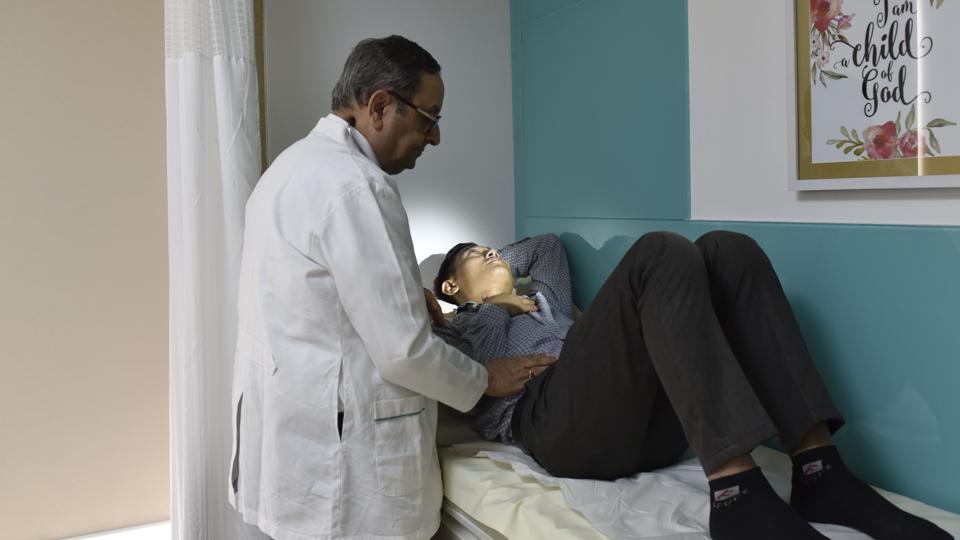
About 80,000 Iraqis come to Indian cities like New Delhi, Pune, Bengaluru and Chennai every year for treatment, drawn by lower costs, professional facilities and similarity in culture between the two countries.
“We have been talking to some Indian companies in the healthcare sector about setting up facilities in Iraq, as this would cut costs on travel and other expenses, such as hiring translators and renting accommodation when people have to stay for longer periods for treatment,” Abdulsada said in an interaction with a group of Indian journalists.
Some Indian firms have shown an interest, though the envoy declined to name them. It is believed Chennai-based Apollo Hospitals, which has a presence in Bangladesh and Oman, and New Delhi-based Max Healthcare are eyeing the Iraqi market.
The Indian embassy in Baghdad issued around 250 visas a day last year, with a majority going to Iraqis visiting India for medical treatment, according to the mission’s website. Iraqi Airways operate direct flights from Baghdad to New Delhi, Mumbai and Ahmedabad, while Air India resumed flights to Iraq after more than 25 years in February.
“Many Iraqis come to India for treatment as it is cheaper here than other countries such as Turkey. Medical facilities have high standards and the people feel more comfortable because of our similar cultures,” the envoy said.
Abdulsada said Iraq was also keen to attract investments by Indian firms in sectors like power generation, education, pharmaceuticals and infrastructure as the government rebuilds the war-torn country. “This is the right time to get in as the security situation has improved. If you keep waiting, the space may be occupied by players from other countries and you could lose the first-mover advantage,” he said.