
 E-Paper



Is India at risk after WHO's global health emergency alert on Mpox? Report says…
The WHO said that the upsurge of Mpox constitutes a public health emergency of international concern (PHEIC) under the International Health Regulations (2005).

 Prefer HTon Google


The risk of an upsurge of Mpox cases, formerly known as monkeypox, remains very low in India, according to health ministry officials, even as the World Health Organization (WHO) declared the disease a public health emergency of international concern (PHEIC) following a surge in cases in Africa.
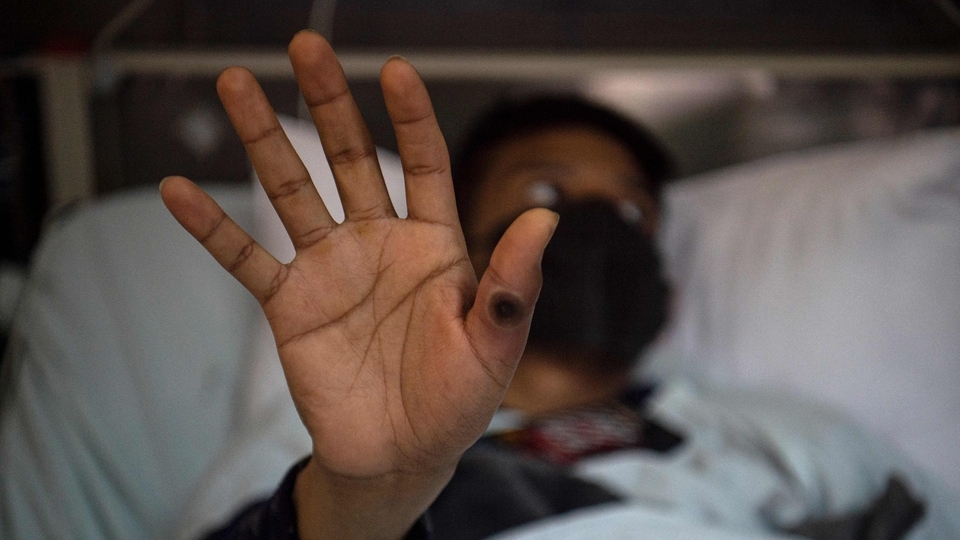
The last reported Mpox case in India was in March this year from Kerala, reported PTI quoting official sources within the health ministry.
Since 2022, the country has documented 30 laboratory-confirmed cases of the viral infection.
"At the moment, the risk of a surge in monkeypox infection is very low in India and there is no need to panic," PTI quoted the person aware of the development as saying.
Read: Mpox virus detected in Pakistan, days after WHO declared it a global health emergency
In response to the global situation, the health ministry may issue advisories to points of entry such as airports and seaports, instructing them to be vigilant and prepared to manage suspected cases as per existing guidelines. These guidelines include protocols for isolation and treatment to prevent potential spread.
Union health minister Jagat Prakash Nadda is expected to hold a meeting on Saturday with officials from the ministry, the National Centre for Disease Control (NCDC), and the Indian Council of Medical Research (ICMR) to review the situation and ensure all necessary precautions are in place.
Mpox outbreak: Symptoms, preventions. Why has WHO declared it global health emergency? Explained
India’s guidelines on the management of Mpox, issued in 2022, outline that human-to-human transmission primarily occurs through large respiratory droplets requiring prolonged close contact. The virus can also spread via direct contact with bodily fluids or lesion material and indirectly through contaminated clothing or linen.
Outbreak in Europe
The recent upsurge has prompted several countries, including those in Europe, to raise their alert levels. The European Centre for Disease Prevention and Control (ECDC) increased its risk assessment for Mpox to "moderate" from "low" following the detection of a new strain in Sweden, the first case outside Africa.
Despite rising global concerns, the WHO has advised against imposing travel restrictions, and countries like China and Pakistan have introduced monitoring measures for incoming travellers.


