E-Paper



Israel issues advisory for its citizens in India
Israel’s National Security Council, in the advisory issued in Hebrew, said it was possible that the blast at its embassy in Delhi on Tuesday was “an attack”

 Prefer HTon Google


Authorities in Israel have cautioned the country’s citizens in India to avoid public places and not to participate in crowded events following a low-intensity blast near the Israeli embassy in New Delhi that resulted in a high alert in the Indian capital.
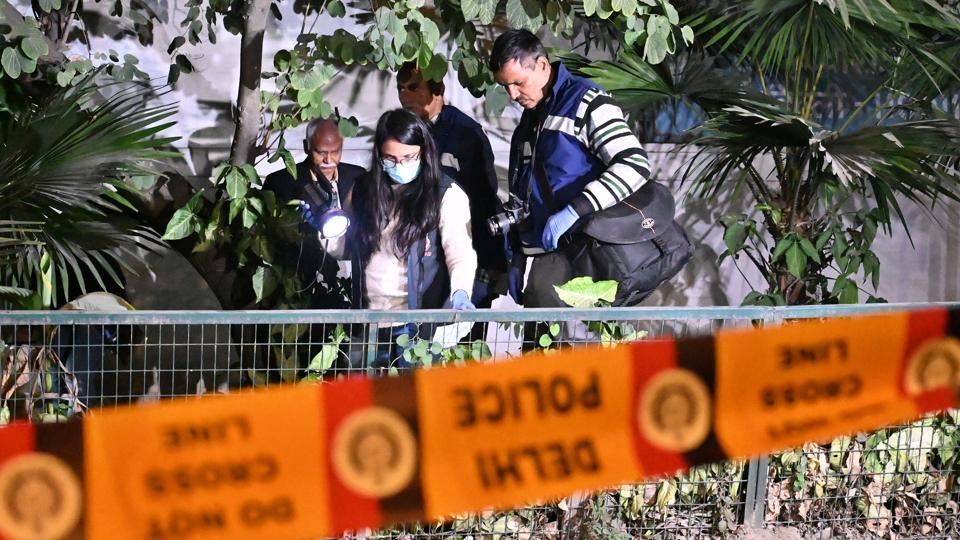
An advisory issued by Israel’s National Security Council said a “bomb exploded” near the embassy on Tuesday and that Israeli citizens in India, particularly those in New Delhi, should avoid crowded locations such as malls and markets.
Nobody was injured and no damage to property was reported from the site of the blast on Tuesday evening, police officers said. A letter addressed to the Israeli envoy was found at the site during an extensive search by security agencies. Israel’s deputy chief of mission, Ohad Nakash Kaynar, said after the blast that all diplomats were safe and Israeli security teams were cooperating with Indian authorities to investigate the matters.
Israel’s National Security Council, in the advisory issued in Hebrew, said it was possible that the blast was “an attack”. It urged Israelis living in India to avoid going to crowded places such as malls and markets, and places identified as being frequented by Western or Jewish and Israeli elements.
Israeli citizens should maintain increased vigilance in public places, including restaurants, hotels and bars, and avoid displaying Israeli symbols, the advisory said. It further cautioned Israeli nationals to avoid participating in “events with many participants that are not secure”, and to avoid posting details of their trips on social media, both before the journey and in real time.
A police officer, who asked not to be identified, said a preliminary investigation suggested there was a “high-intensity cracker blast” in a wooded area on Prithviraj Road behind the Israeli embassy. A loud sound was heard by a few people at the embassy, a security guard at a nearby building, and a police official, the officer added.
The typed letter wrapped in a flag that was found at the site mentioned Israel’s actions in Palestine, people aware of the matter said.
The incident occurred amid the Israel-Hamas conflict triggered by the October 7 terror attacks by the militant group. While 1,200 people died in the terror attacks, Israel’s bombardment of Gaza has killed nearly 21,000 people and injured around 55,000.
In January 2021, a low-intensity blast outside the Israeli embassy in New Delhi left a crater and damaged three cars, though nobody was killed or injured. Earlier, in February 2012, an unidentified motorcyclist placed a “sticky bomb” on an Israeli embassy car, injuring an official and the driver of the vehicle.