
 E-Paper



Karnataka Cabinet rejects mercy pleas of fiancé, her partner in 2003 Bengaluru techie murder case
Karnataka Cabinet rejected mercy petitions filed by Shubha Shankaranarayana, D Arun Verma, who are serving life sentences for the December 2003 murder of 27-year-old fiancé

 Prefer HTon Google


The Karnataka Cabinet on Thursday rejected mercy petitions filed by Shubha Shankaranarayana and D Arun Verma, who are serving life sentences for the December 2003 murder of Shubha’s 27-year-old fiancé, software engineer B V Girish, in Bengaluru.
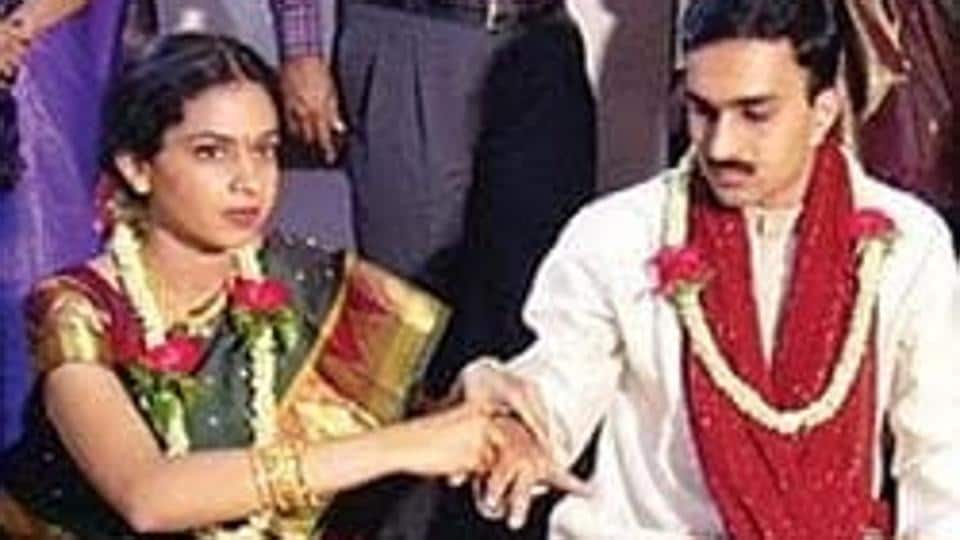
The Cabinet held that the killing was premeditated and exceptionally brutal, and that the requests for clemency could not be accepted within the applicable legal framework.
“The recommendation will now be sent to Governor Thaawarchand Gehlot for a final decision on the petitions. The Home Department had obtained opinions from the police and prison departments before placing the matter before the Cabinet,” home minister Priyank Kharge said after the meeting on Thursday.
The petitions followed a July 14, 2025, Supreme Court judgment that upheld the life sentences imposed on all four people convicted in the case.
Dismissing their appeals, the court gave the convicts eight weeks to approach the governor under Article 161 of the Constitution, which empowers governors to grant pardons, suspend sentences, remit punishments or commute them in cases within the state’s executive jurisdiction. The Cabinet’s rejection does not constitute the governor’s final decision. The constitutional process will conclude when the governor decides the petitions.
Girish, a software engineer at Intel in Bengaluru, and Shubha, then a fifth-semester student of an integrated BA LLB course at BMS Law College, had got engaged on December 1, 2003, and their wedding was scheduled for April 11, 2004.
According to the prosecution case examined by the Supreme Court, Shubha was unwilling to marry Girish and wanted to pursue her relationship with Arun Verma, a fellow law student. Verma, then 19, was studying in the first semester of the same course.
On the evening of December 3, 2003, Shubha asked Girish to take her out for dinner. He picked her up from her home at around 6.30 pm on his scooter, and they went to TGI Friday’s, a restaurant near his workplace.
After dinner, the couple stopped at the Air View Point on Airport Ring Road to watch aircraft land. Between 9.30 pm and 9.40 pm, they informed their families that they had finished dinner and were returning home. At the viewing point, an assailant struck Girish on the head with a steel rod and fled.
Shubha, with the help of passers-by, stopped a car and took Girish to Manipal Hospital on Airport Road. He was declared dead at 8.05 am on December 4.
The prosecution alleged that the attack was part of a conspiracy to kill Girish because Shubha did not want to proceed with the marriage. Investigators subsequently arrested Shubha, Verma and two other men, A Venkatesh and Dinesh, also known as Dinakaran.
The Supreme Court’s 132-page judgment examined communications between the accused in the days leading up to the murder. Phone records showed frequent exchanges between Shubha and Verma before the killing, including communications on the day of her engagement to Girish.
The four accused had exchanged 56 communications on December 2, according to the judgment. On the evening of December 3, Shubha and Verma exchanged 38 text messages between 6.37 pm and 9.39 pm while she was out with Girish.
The court considered the volume and timing of these communications alongside evidence about the accused persons’ relationships, the recovery of the weapon and their conduct after the attack. It found that the prosecution had established the motive and the conspiracy.
The court also examined evidence that messages had been deleted from the accused persons’ phones. The communications, together with the other circumstances proved during the trial, formed part of the chain of evidence on which the convictions rested.
The trial court convicted all four accused in July 2010 and sentenced them to life imprisonment. The Karnataka high court upheld the sentences later that year. The Supreme Court subsequently examined their appeals and, on July 14, 2025, confirmed the convictions and life sentences.


