
 E-Paper



Keeping up with UP: Can beggars turn into entrepreneurs or skilled workers?
After the success of pilot project in Varanasi, a project has been launched to set up the Beggars Employment Exchange and also an App

 Prefer HTon Google


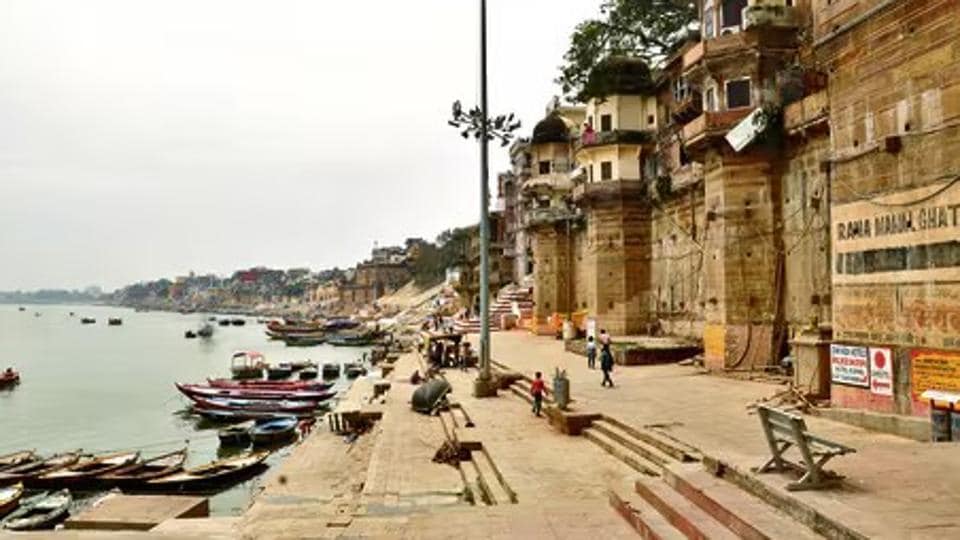
Vishal, 14, used to beg, dressed as Bhagwan Shankar at Dashashwamedh Ghat in Varanasi. He had become the face of poverty in Varanasi when the German Ambassador had taken a selfie with him in October 2021 and tweeted it. He is now the youngest entrepreneur earning between ₹30,000 to 50,000 a month, depending on the flow of tourists. He worked as a tourist guide around Dashashwamedh Ghat and Kashi Vishwanath temple. Besides direct payment from tourists, he gets commission from the hotels, local shops, boatmen, Benarsi saree showrooms.
Sonam, a single mother, used to beg with her daughter Khushboo. She learnt tailoring and started stitching bags after the training. She is now living a life of dignity, in a rented house and educating her daughter too.
‘From Beggar to the Boardroom: Mirchmala Devi’, popularly known as Phoolon Wali aunty, used to beg in front of the main temple. The Beggars Corporation launched Jalabhishek campaign in 2022 in which child beggars offered bel patra and flowers to the deity for a full 40 days on payment from their clients.
They bought the flowers from her and initially she did a business of ₹6000. She is now an independent entrepreneur and has been appointed as one of the directors in Beggars Corporation. “I have been saved from sunstroke, humiliation and dishonour,” says Mirchmala, mother of five children. She used to sleep on the streets with her children and earned about ₹50-100 a day. She is now also stitching eco-friendly bags.
After changing the lives of 114 families, who survived on begging in Varanasi until a few years back, the Beggars Corporation, made its presence felt in the country’s capital by launching the book, “The Last Beggar: From Donation to Dignity” on August 12 at Dr Ambedkar International Centre.
The union minister Virendra Kumar, Justice V Ramasubramanian, chairman of the National Human Rights Commission attended the occasion, promising all support to make India beggars free.
The corporation is now moving ahead with its ambitious plan to start a Beggars employment exchange after getting a licence from the Labour department. They will be trained for blue-collared jobs like housekeeping in hospitals and as helpers and assistants in offices. An app is under development in which organisations/individuals will be able to send their requirements to employ former beggars, now equipped with new skill sets. This may happen in collaboration with the NHRC.
Significantly, the corporation signed an MOU with the Uttrakhand government in February 2025 to make Dehradun free of beggars, and set up the country’s first school for them called ‘School of life.’
The Corporation was registered in August 2022 as a for-profit company after successful market trials to the tune of ₹2.7 million. It was recognised as a social impact start-up by the department of Industry and internal trade (DPIIT) in October 2022.
The Caravan Built Despite Doubts
On December 31, 2020, a kurta-pyjama clad Chandra Mishra from Odisha landed in Varanasi, the Prime Minister Narendra Modi’s constituency to work on an employment policy model. A former journalist, he had helped the state government in the formation of the Employment Mission under the chairmanship of chief minister Naveen Patnaik in 2005. Thereafter he studied the issue in different states like Bihar, Karnataka, Chhattisgarh, Haryana and Delhi.
Deviating from his main mission, he decided to turn beggars into entrepreneurs with the belief that if they could be employed, then no one would be unemployed. He started a dialogue with them but they were reluctant listeners as by then they had accepted begging as their profession.
Mishra collaborated with a local NGO, Janmitra Nyas, but could make little headway. Then the Covid pandemic hit the country and he decided to run a school for beggars near Pataleshwar temple in Varanasi. The sewing machines at the workshop were lying idle because of the second lockdown. Initially, only three beggars enrolled but their number grew to 12 by March 2021 and 30 by December 2021.
The owner of the workshop started training parents in sewing. Rajni, the first learner, bought her first machine after selling bags they were stitching. He sold bags at the BJP national executive in November 2022 and to the Benaras Hindu University during an event.
Jalabhishek was their second campaign in 2022, followed by yet another scheme under which as many as 57 social investors paid ₹10,000 in July-August 2022 and were repaid 11650/- which amounts to 16.5 percent rate of interest in February 2023. Most of the investors reinvested the amount. Now they are running the ‘one beggar, one mentor’ scheme named Rudrakash- a tool to convert donations into social investment ventures.
Mishra claims 21 beggar-turned-entrepreneurs handheld by the corporation, earned a revenue of 3,57,10,312 in Financial Year 2024. Majority of other beggars turned entrepreneurs were earning between 10k to 15 k every month.
As of now the corporation is daily supplying 50 bags, stitched by their beggars turned entrepreneurs to 62 shops in Varanasi while 20 beggars were engaged in ‘Jalabhishek’ at Kashi Vishwanath temple in the name of the client before sunrise.
Mishra added that beggars driven by circumstances were different from gangs, which trap people through addiction or blackmail to run a nexus of crime. “Those genuinely in need can be transformed and mentored but those involved in crime need to be dealt with differently.”


