E-Paper



Kejriwal to visit MP in November to take stock ahead of next year’s assembly polls
AAP will contest all 230 seats for the first time. The party did not contest the assembly polls in 2013, but fought from all the 29 Lok Sabha seats in 2014.


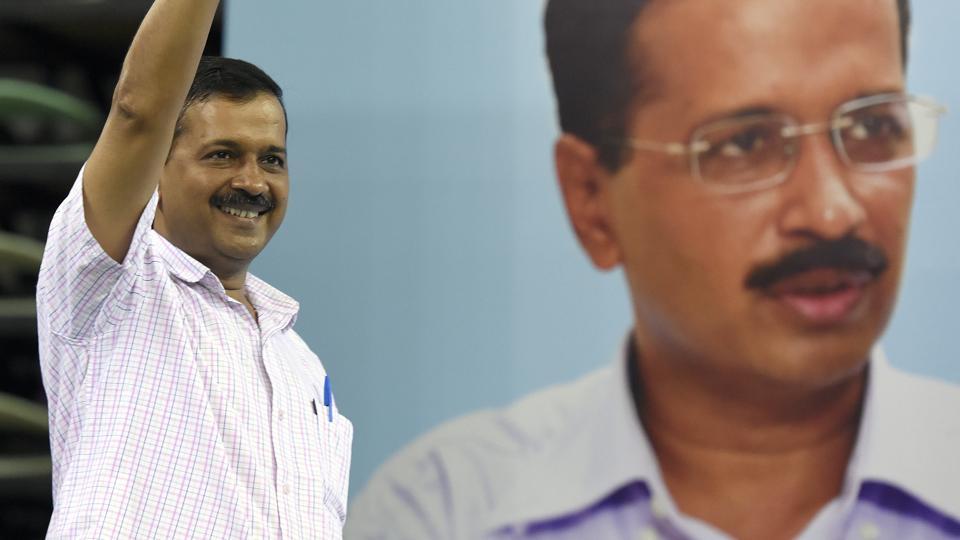
The AAP’s national convener and Delhi chief minister Arvind Kejriwal will visit Madhya Pradesh in November to check the readiness of his party ahead of the 2018 assembly elections in the state where it has decided to contest all the 230 seats.
The AAP believes it is the right time to make an inroad into the Bharatiya Janata Party’s bastion as people are getting disenchanted with the saffron outfit amid various scams and allegations of corruption and also thinks the Congress is in no position to challenge the ruling party.
The AAP’s state secretary Dushyant Dangi told the Hindustan Times seven senior party leaders from Madhya Pradesh went to Delhi recently and discussed the election strategy with Kejriwal and other leaders.
“Arvind Kejriwal will come to Bhopal on November 5 and address the party office bearers with regard to the elections and the overall situation in the state,” he said.
Dangi said the AAP has set a good network across the state, which is under the BJP for more than a decade.
“We have office-bearers in charge of the 29 Lok Sabha seats, 230 assembly seats, and all the 51 districts. Overall, we have 34,000 active members in the party right now. And, we feel this time we are ready for the poll battle,” he said.
Though the Aam Aadmi Party did not contest the assembly polls in the central state in 2013, it fought from all the 29 Lok Sabha seats in the 2014 parliamentary elections. It could not secure any seat.
In 2013, when it started its journey in the state with over 2000 active workers, AAP’s Madhya Pradesh unit worked on Mission Buniyad (Mission Foundation) and then took up Mission Vistar (Mission Expansion) as in preparation for the 2018 assembly polls.
During his visit to the state in February, AAP leader Gopal Rai spelt out the party’s strategy for the central state, saying it would replicate its ‘Delhi model’ for strengthening the party.
“We did it in Delhi in one and half years. Our strategy is to strengthen the party in a bottom-up way so that we have a strong presence at the grass roots level,” Rai said.
The AAP’s leaders have been picking issues such as high power tariff, inflation, and PEB scam that has been plaguing the state. They are also holding regular public meetings, press conferences, and issuing statements and reactions on various political developments to register its presence.
The party’s Madhya Pradesh unit also initiated farmers’ agitations in June in the state, which saw the death of six agriculturists during protests for better prices for crops and loan waivers.
The AAP’s efforts to secure a foothold in the state’s socio-political scene needs to be seen in the context of its political dynamics and its own rough trajectory here.
The AAP claims it has succeeded in creating a small niche for itself in the highly bipolar politics of Madhya Pradesh, where traditionally smaller parties have not been successful in establishing themselves.