
 E-Paper



Keran encounter: 3 of 5 terrorists were locals
Five terrorists and five commandos from 4 Para (SF) were killed along the Line of Control on Sunday after a daring operation launched by the Indian Army.

 Prefer HTon Google


At least three terrorists gunned down by Indian special forces in the intense close-quarters encounter on April 5 in the Keran sector belonged to Jammu & Kashmir and were missing since 2018, according to people familiar with the investigations who spoke on condition of anonymity.
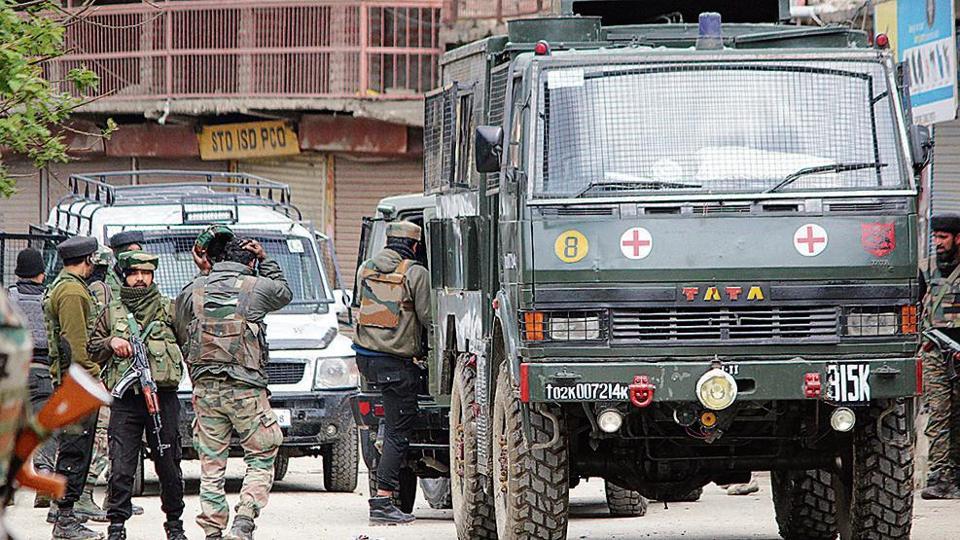
The three had gone across the border in Pakistan for training, the people added.
Five terrorists and five commandos from 4 Para (SF) were killed along the Line of Control on Sunday after a daring operation launched by the Indian Army.
Five AK-47 rifles, grenades, and GPS and wireless sets were recovered from the encounter site at Shalbatoo, in the Jumgund area of the Keran sector in Kupwara in north Kashmir. The terrorists infiltrated across the LoC on April 1 from Qasim-II post in Pakistan-occupied Kashmir (PoK) and were headed to the Gulab Post of army, according senior Indian security agency officials.
The three terrorists were identified as Sajjad Ahmad Hurrah of Daramdora, Shopian; Aadil Hussain Mir of Mallapora, Liver, Anantnag; and Umar Nazir Khan of Liver, Anantnag. Jammu & Kashmir Police records show that missing reports had been filed about Hurrah and Mir at local police stations.
Security officials said that the two left for Pakistan separately via the Attari-Wagah border; Sajjid crossed over on April 12, 2018, and Aadil on April 27, 2018. The travel history of Umar Nazir Khan, who belonged to the same village as Aadil, is being probed. The investogators suspect that the three were radicalised by Ghulam Nabi Khan, the deputy leader of the Hizbul Mujahideen (HM) based in PoK. Nabi Khan also belongs to Anantnag’s Liver village.
The identities of the other two terrorists were yet established.
Though the coronavirus disease (Covid-19) spread is growing in Pakistan, with cases in the Punjab province crossing to over 2,000 according to some estimates, a recent spike in incidents across the LoC suggest that the operation to fomenting trouble in Kashmir -- by first radicalising locals in Valley; then getting them to cross over for weapons training with terror groups such as the Lashkar-e-Taiba, Jaish-e-Mohammed and HM; and then sending them back to wage war in India. Security officials also said there are attempts to smuggle assault rifles across LoC to supply to foreign and local terrorists in the Valley. On March 23, 13 AK-47 rifles, hand grenades and ammunition were seized by Indian security officials in Keran sector. The moves, which security officials say include propping up smaller indigenous armed groups, are linked with retaliating against India for the August 2019 nullification of Article 370.


