E-Paper



Khalilzad reaches out to Jaishankar on troubled Afghan peace process
Khalilzad, who has been pushing the Afghan government to facilitate the implementation of the US-Taliban deal by releasing more Taliban prisoners, tweeted he had reached out to external affairs minister S Jaishankar to discuss the latest developments in the Afghan peace process.

 Prefer HTon Google


The US special envoy for Afghan reconciliation, Zalmay Khalilzad, has sought India’s engagement in international efforts for a lasting peace in Afghanistan against the backdrop of growing concern in New Delhi over the US-Taliban deal.
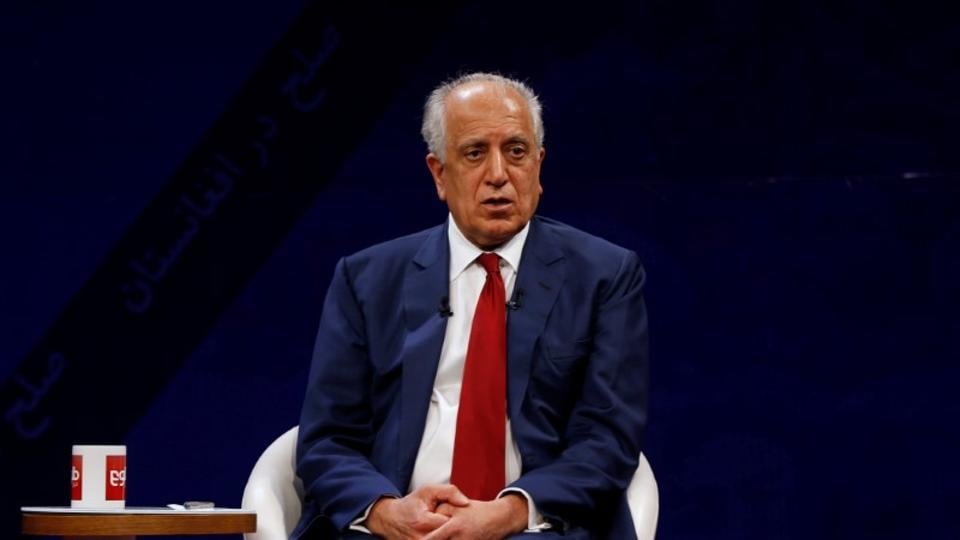
Khalilzad, who has been pushing the Afghan government to facilitate the implementation of the US-Taliban deal by releasing more Taliban prisoners, tweeted he had reached out to external affairs minister S Jaishankar to discuss the latest developments in the Afghan peace process.
“We talked about the urgency of resolving the internal political crisis and the importance of Afghan leaders forming an inclusive government,” he said, in an apparent reference to differences between Afghan President Ashraf Ghani and former chief executive Abdullah Abdullah.
“We also discussed the need for both the Afghan government and the Taliban to accelerate prisoner releases, support a prompt reduction in violence, and start intra-Afghan negotiations,” Khalilzad said in a separate tweet.
Khalilzad said he had told Jaishankar that “the US welcomes Indian engagement in regional and international efforts for a lasting peace in #Afghanistan” and that the US is “committed to a sustained engagement with #India on this objective”.
This was Khalilzad’s first outreach to the Indian side to discuss the troubled Afghan peace process since diplomatic engagements around the world were affected by the Covid-19 pandemic. Khalilzad said he and Jaishankar also spent time “covering the immediate and longer-term impact of the Coronavirus”.
Jaishankar tweeted that Khalilzad had “called to update on recent Afghan developments”. Without giving details, he added: “Shared the Indian perspective. Our historical friendship with this close neighbour will always guide our Afghan policy.”
Khalilzad’s outreach came against the backdrop of growing concern in New Delhi about the US-Taliban deal not leading to any significant reduction in violence in Afghanistan. Officials in the Indian government are also concerned that there has been no public move by the Taliban to distance itself from terror groups such as al-Qaeda, Lashkar-e-Taiba and Jaish-e-Mohammed that have a presence in Afghanistan.
Former ambassador Rajiv Dogra, who has served in Pakistan and closely tracks developments in Afghanistan, said Khalilzad’s tweets appeared to be veiled suggestion to India to “stay off” as far as Afghanistan is concerned.
“If one reads between the lines as far as Khalilzad’s tweets are concerned, the message seems to be very clear - don’t spoil our deal,” said Dogra. “One day a future US administration will judge Khalilzad.”