
 E-Paper



Karnataka veteran who made it to Modi’s council
The MP from Karnataka’s Chitradurga hit the headlines in May 2019 when he was denied entry into a village in Tumakuru as he is a Dalit

 Prefer HTon Google


Bengaluru: When Bharatiya Janata Party (BJP) Parliament member A Narayanaswamy was denied entry into Paavgada village in Karnataka’s Tumakuru district in May 2019 because he is a Dalit, he refused to file a police complaint despite the humiliation. Narayanaswamy insisted it was more important to educate people than arrest them and won the village residents over. The residents welcomed him back to the village a day later as the lawmaker from the reserved constituency of Chitradurga, around 200 km from Bengaluru, wanted to highlight the poor condition of the schools in the region and encourage works under the Corporate Social Responsibility there.
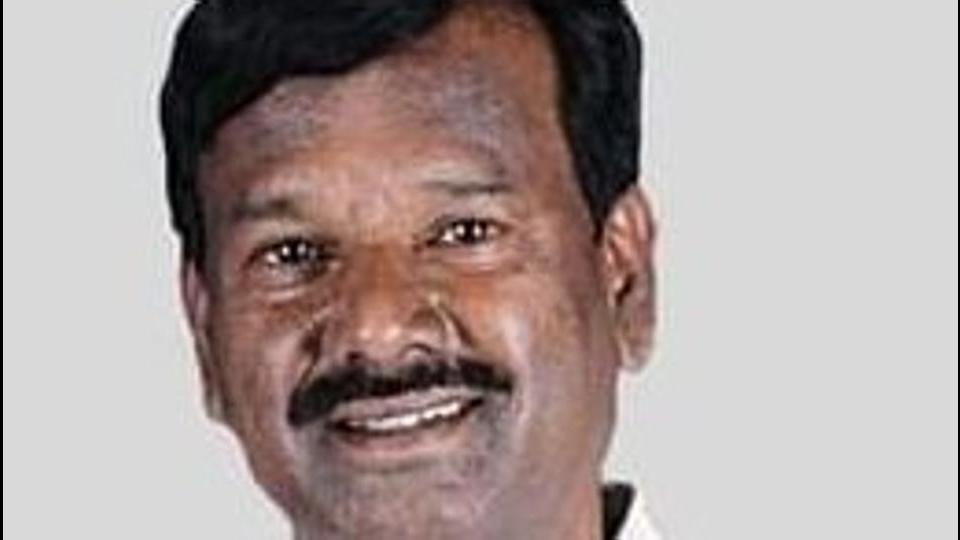
Narayanaswamy, 62, who is otherwise known for maintaining a low profile, hit the headlines through his gesture. He was back in the news on Wednesday when he was named as the minister of state for social justice and empowerment as part of the biggest reshuffle ever in Prime Minister Narendra Modi’s council of ministers.
Born on May 16, 1957, Narayanaswamy served as a four-time member of the Karnataka assembly between 1998 and 2013. He was also the chief whip of the BJP in the assembly for a year in 1998. Narayanaswamy was first made a state Cabinet minister in 2010. He has also served as a member of the Parliamentary Standing Committee on Water Resources.
“In these constituencies, elected legislators cannot afford to antagonise the upper castes. So that is probably among the reasons why he (Narayanaswamy) could have toned down his response to it. This dynamic is something that Dalit and ST MLAs reckon with across reserved political constituencies in the country,” Chandhan Gowda, a social scientist from Institute For Social and Econmic Change (ISEC) said.
Ashwathnarayan’s elevation is seen as part of the attempt to provide representation to Dalits in Karnataka, where 2,327 cases of murder and other cases of atrocities were reported against the members of Scheduled Caste (SC) and Scheduled Tribe (ST) communities from April 2020 to March 2021 as per the official data. In 2019, 1,504 such cases were registered, according to data from the National Crime Records Bureau.
Karnataka is known for its prowess in technology, start-ups, aerospace, but the dark underbelly that the caste discrimination represents particularly in the state’s rural areas often goes unnoticed. The number of atrocities cases registered is believed to be low and the conviction rates are even lower. Due to the mediation by powerful and influential leaders, such cases often go unreported.
Five of the 28 Lok Sabha constituencies are reserved for SCs and two for STs in Karnataka, where polls are due in 2023.


