
 E-Paper



Lone ranger: This brave woman in Bastar guards tracks in the red zone
In the past one year alone, officials say Maoists engineered more than a dozen train derailments in the region, at times by removing fishplates or placing boulders on the track.


Savitri Nag Yadav is paid to keep a lonely vigil where even security forces fear to tread. As the sun rises over the dense forests of Chhattisgarh’s Maoist hotbed of Bastar, she sets out every day to guard a 7km-long railway track winding across the undulating terrain from Geedam to Kulnoor.
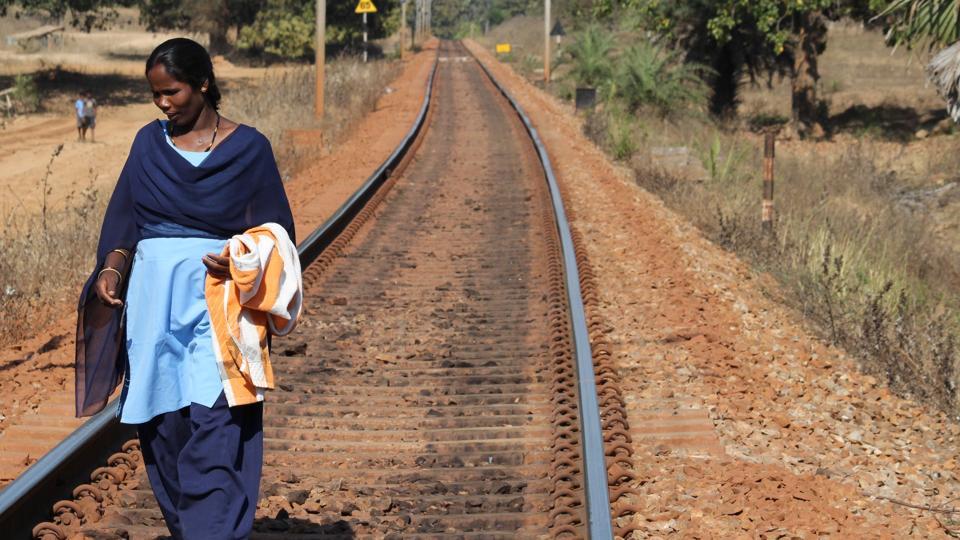
Savitri tiptoes along the track, making sure that everything, right from fishplates — metal pieces that hold adjacent rails — to the tracks on which at least two dozen goods and a passenger train run everyday, are in order.
Trudging along to check every nut and bolt, she also has to keep an eye out for wild animals and, more importantly, the Maoists.
Though employed as a lowly ‘khalasi’ with the Indian Railways, the risks that Savitri, 35, takes are indeed high. Bastar is where Maoists are engaged in a conflict with the Indian state, targeting both government property and personnel.
Read: Meet Usha Kiran, Bastar’s first woman CRPF officer in the Maoist hotbed
In the past one year alone, officials say Maoists engineered more than a dozen train derailments in the region, at times by removing fishplates or placing boulders on the track.
But Savitri is unfazed either by the dangers that she courts routinely, or her unique position as the railways’ only woman field staff in the Maoist stronghold where a railway official was abducted recently. “I simply do my job,” she says modestly.
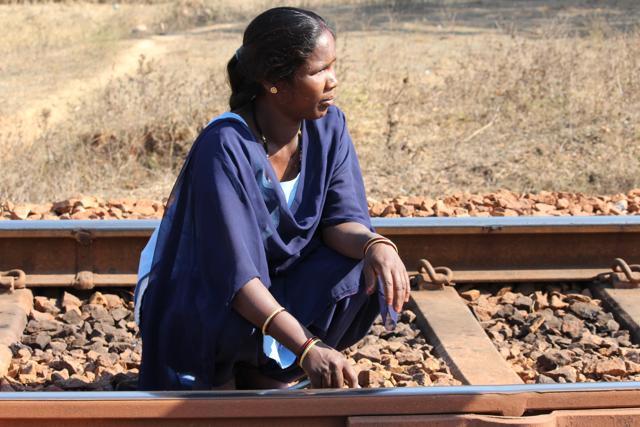
But her superiors are impressed. “As the lone woman in the signal department here, the work she does is extremely dangerous and courageous,” points out Ramraju, the station master in the nearby district headquarters of Dantewada.
Top police officials agree protecting the railway tracks connecting Kirandul with Jagdalpur is extremely challenging. The stretch that Savitri guards is several kilometres from the last roadhead and remote.
“Though we have heightened vigil and the number of incidents has come down, it is very easy to derail trains here,” says Sunderraj P, the Dantewada deputy inspector general of police.
In between removing stones from the track, Savitri says her job is routine. “How will I do my duty if I fear,” she says. Both her grandfather and father did the same job. She got the job in 2006 after her father died and is now the principal breadwinner for her family. “I have mouths to feed,” the mother of two adds.
That she is a local helps in a region that security forces are wary about. Villagers know her as the person who lets trains pass safely and often greet her with fruits and water. “Savitri is one of us,” says a villager. “She is the unique one,” corrects a railway official.
-kW0H-U20214218012MgB-250x250%40HT-Web.jpg)


