E-Paper



Madhya Pradesh bans analog paneer production, sale and use over health concerns
Madhya Pradesh has banned the production, sale and use of analog paneer, citing health concerns, with officials ordered to seize the product.

 Prefer HTon Google


The Madhya Pradesh government on Wednesday banned the production, sale and use of analog paneer, citing health concerns and seeking to promote natural dairy products, officials said.
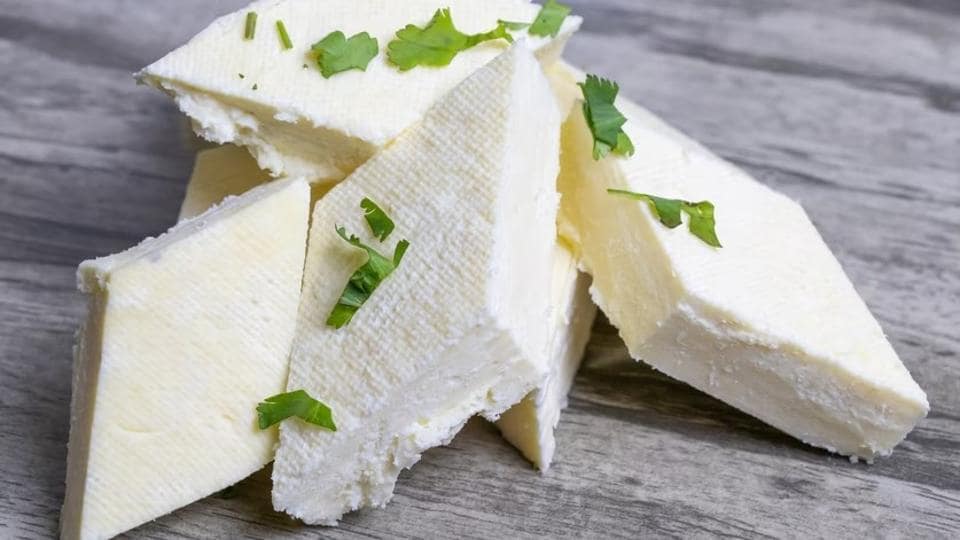
Chief minister Mohan Yadav announced the decision during a meeting with officials of the food and civil supplies department.
Madhya Pradesh became the fourth state after Maharashtra, Gujarat and Chhattisgarh to ban analog paneer. The product is made as a cheaper substitute for natural-milk paneer, using vegetable fats and starch either in place of milk or mixed with it. Its production and consumption have increased because of its lower price.
“We are banning analog paneer in Madhya Pradesh, just as other states have done. We will boost natural milk production and produce paneer naturally,” Yadav said.
MP's analog paneer consumption
According to a Food Safety Department official, around 9,000 to 12,000 quintals of analog paneer are consumed every month in Madhya Pradesh, particularly in restaurants.
The National Human Rights Commission (NHRC) has also expressed concern over the sale of analog paneer. Commission member Priyank Kanoongo wrote to all state governments last month, urging them to ban the product and describing its use as hazardous.
Following the chief minister’s directive, the Food Safety Department instructed district officials to test paneer being produced at different factories across Madhya Pradesh and immediately seize analog paneer.
On Wednesday, a team in Indore raided a dairy factory and seized 450 kg of paneer.