E-Paper



Madhya Pradesh colleges to have uniform dress code
The Bharatiya Janata Party (BJP) government in Madhya Pradesh has directed all government and private colleges in the state to implement a uniform dress code for their students, while restricting any other kinds of clothing, state’s higher education minister Inder Singh Parmar announced on Tuesday.


The Bharatiya Janata Party (BJP) government in Madhya Pradesh has directed all government and private colleges in the state to implement a uniform dress code for their students, while restricting any other kinds of clothing, state’s higher education minister Inder Singh Parmar announced on Tuesday.
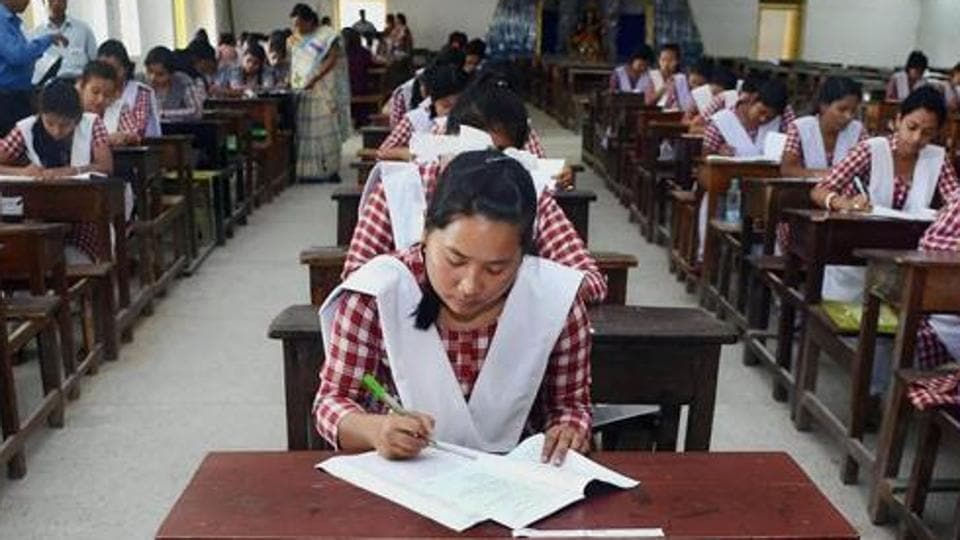
The new uniform code will come into effect from the new academic session, set to start later this month, Parmar said.
“We are trying to bring uniformity among college students. Through the dress code, they will learn discipline and will get equal treatment. As they will wear similar dress, all the students will look alike and students would not be differentiated,” the minister added.
Discussions on a possible uniform dress code began in January this year, an official in the higher education department said, requesting anonymity.
“But now, it has been made compulsory for all colleges to implement the uniform dress code. Each college has been given liberty to choose on its own the colour and type of uniform for students,” the official said, referring to the government order issued to all colleges in the state.
Explaining the rationale behind the move, a second official alleged that clothing such as “burqa, hijab, and saree” created “differences” among students.
“In Madhya Pradesh, only 50% of colleges have a dress code. Clothes such as burqa, hijab and saree were creating differences among the students, so chief minister Mohan Yadav and higher education minister Inder Singh Parmar decided to implement dress code in all colleges,” the second official said, also declining to be named.
The higher education department has asked all colleges to have a uniform for their students, another government official said. “We have left it for individual colleges to decide what sort of uniform they would like for their students. Our order makes it clear that there should be uniformity in dress,” the official said, referring to the government order issued to all colleges in the state.
The opposition, however, said that the focus of the government should be on improving the quality of education in the state instead.
“The BJP government has not learnt anything from Karnataka where they made ban on Hijab a big issue before assembly election and lost the polls. Now, they are distracting students from education and demand of employment by bringing issue like dress code,” Congress spokesperson Kunal Chaudhary.
Early in 2023, the then BJP government in Karnataka banned the entry of students wearing hijab into classrooms, triggering an ugly political controversy that finally landed in the Supreme Court.