E-Paper



Madras HC stays release of book allegedly targeting Justice GR Swaminathan
The bench directed the police to ensure that no copy of the publication was “sold, circulated, shared, displayed or released, at the Chennai Book Fair or anywhere else”


The Madras High Court on Wednesday directed the Tamil Nadu police not to allow the release or sale of an allegedly derogatory pamphlet and book that targets Justice GR Swaminathan, a sitting judge of the Court, at the Chennai book fair that commences from January 8.
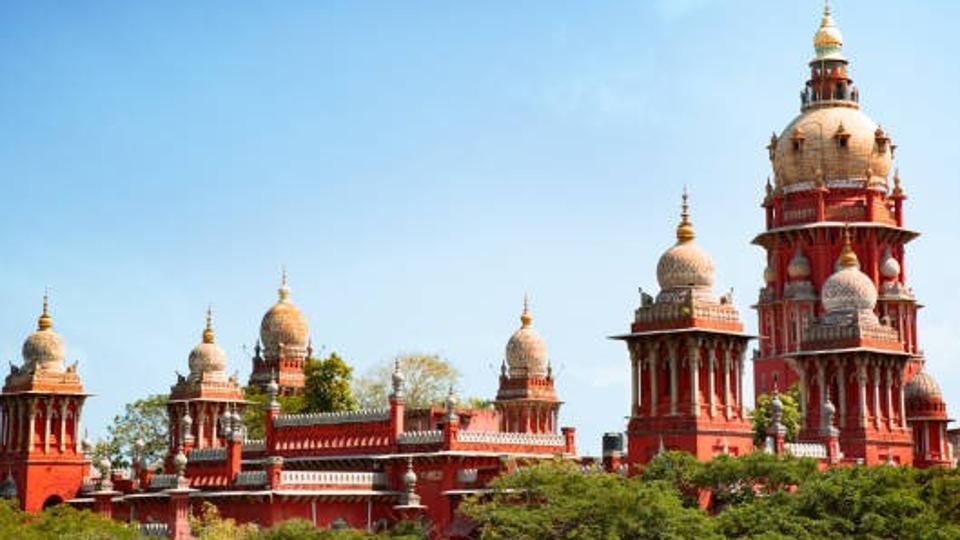
A bench of Chief Justice Manindra Mohan Shrivastava and Justice Arul Murugan directed the police to ensure that no copy of the publication was “sold, circulated, shared, displayed or released, at the Chennai Book Fair or anywhere else.”
Calling the contents “highly offensive, abusive and scandalous,” the court also initiated suo motu criminal contempt proceedings against the publisher of the pamphlet and the reported book.
The court issued the directions after a lawyer, advocate B Jagannath, sought an urgent lunch motion. Jagannath showed the pamphlet to the court.
The pamphlet had been circulating widely on social media following Justice Swaminathan’s December 1, 2025 judgment in the Thirupparankundram Karthigai Deepam case. It carries a caricature of the judge dressed in khaki half-trousers, holding a saffron flag and a ceremonial lamp.
The pamphlet also advertises a book that will be sold at the book fair for rupees 30 and lists the publisher’s name and phone number.
Also Read: Madras High Court upholds ruling allowing lighting of deepam on Madurai hilltop
Jagannath placed the pamphlet before the court and argued that the publication amounted to mudslinging against the judiciary.
The HC took a serious note of the pamphlet and said it was not just scandalous but also “abusive and offensive” and a “personal attack on a sitting judge of the Court.”
“If anyone feels aggrieved, they can appeal against the judgment. How will people view the judiciary if this is the language used against judges?” the court asked.
Additional solicitor general ARL Sundaresan, who appeared for the Union government following the court’s instruction, added that one can have opinions about a judgment, but one cannot call a presiding officer names.
He also informed the court that appeals arising from the Thirupparankundram issue already stood heard and disposed of.
The Chief Justice then said that affected parties could still approach the Supreme Court instead of resorting to defamatory publications.
The state government meanwhile, assured the court that it did not have any association with the pamphlet or the publisher and that it condoned any attacks on judges of the court.
The state said it was an annual ritual for the TN Chief Minister to inaugurate the annual Chennai book fair but besides that it had no association with the event.
The government also said the state authorities will not permit the publication or circulation of any book containing offensive material or caricatures against the judiciary and asked the court to issue directions to the police so the same can be implemented.
The bench issued directions to the police to seize all copies of the book and ensure that no such material reaches the public, including through online platforms.
The court specifically noted that the publisher had been allotted two stalls—numbers 173 and 175—at the Chennai Book Fair. It directed officials to serve notice on the publisher at the stalls on the same day.
The court will hear the matter next on January 22.
On December 1, 2025, Justice Swaminathan, who was presiding over a single bench, had permitted a group of temple authorities to light the ceremonial lamp atop the Thiruparankundram Hills in Madurai, near the Deepathoon stone pillar and close to a dargah, as part of the Tamil Karthigai Deepam festival.
While the ritual has been followed for decades, the state and district administration had opposed it in 2025, citing law and order problems. The court had subsequently directed the State to make security arrangements and also permit a group of devotees to light the lamp. The state however, failed to implement the directions and filed an appeal that was dismissed by another division bench of the HC on January 6.