
 E-Paper



This chief minister, with a net worth of ₹15 lakh, is the ‘poorest’ in India, claims report
The report by the Association for Democratic Reforms is based on an analysis of candidate affidavits and nomination papers submitted to the ECI.

 Prefer HTon Google


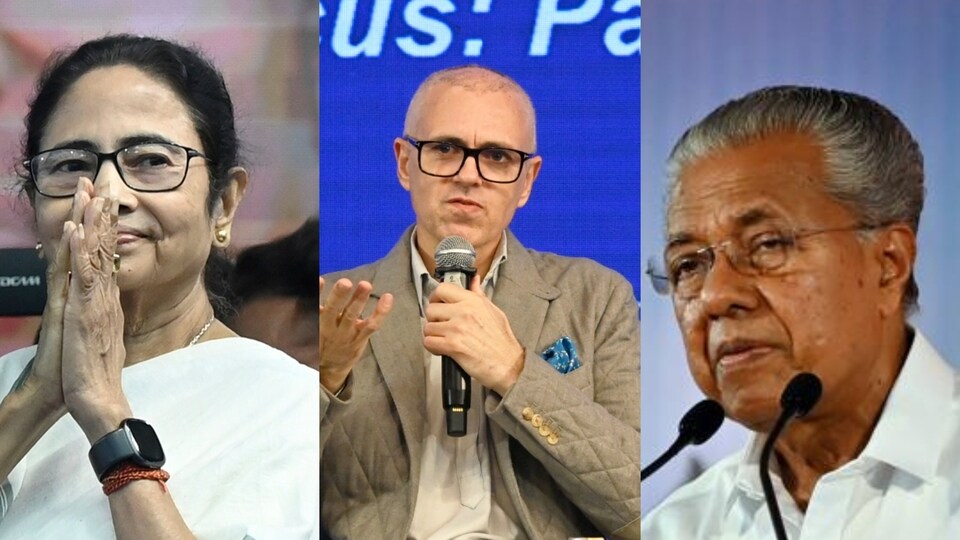
Mamata Banerjee is the chief minister with the lowest assets in India, claimed a report by the civil society group Association for Democratic Reforms (ADR) on Monday.
The report is based on an analysis of candidate affidavits and nomination papers submitted to the Election Commission of India (ECI) before contesting the election.
Details like income, profession, assets and liabilities, and profession are declared by the candidates in these submissions.
Banerjee leads this list with lowest assets worth ₹15,38,029. Her movable assets are valued more than ₹15 lakh and has zero immovable assets. The TMC leader declared her self-income for 2024 at ₹15,47,845. She has declared her profession as “social work and politics”.
Also read | Andhra's Chandrababu Naidu is ‘richest CM’, Pema Khandu, Siddaramaiah in top three: Report
Second such chief minister is Jammu and Kashmir's Omar Abdullah with total assets valued more than ₹55 lakh. His moveable assets are valued at ₹55,24,430 and has zero immovable assets. The National Conference leader declared his self-income for 2024 at ₹14,52,010. Abdullah has declared his profession as a “politician”.
Kerala chief minister Pinarayi Vijayan is third on the list of CMs with assets worth ₹1.18 crore. The CPI(M) leader's moveable assets are valued at ₹31,80,766 and immovable assets are valued at ₹86,95,000. Vijayan, who has declared himself to be a “politician”, has stated his self-income in 2024 at ₹2,87,860.
CMs with the most liabilities
According to the report, ten chief ministers have declared their liabilities at ₹1 crore and above.
The chief minister with the most liabilities is Pema Khandu of the BJP from Arunachal Pradesh. His total assets declared is more than ₹332 crore. Khandu has declared his self-income as zero in 2024.
Karnataka chief minister Siddaramaiah is second on the list. His total assets more than ₹51 crore and his liabilities are more than ₹23 crore. The Congress leader has declared a self-income of more than ₹20 lakhs in 2024.
Andhra Pradesh chief minister Chandrababu Naidu, who is the richest with assets of more than ₹931 crore, reported liabilities of more than ₹10 crore. The TDP leader's self-income in 2024 has been declared at more than ₹18 lakhs.


