E-Paper



Menace of ‘armyworms’ returns to haunt Assam’s flood-hit farmers
An army of caterpillars has ravaged thousands of hectares of standing paddy crops in Assam, weeks after the state was struck by floods.


An army of caterpillars has ravaged thousands of hectares of standing paddy crops in Assam, weeks after the state was struck by floods.
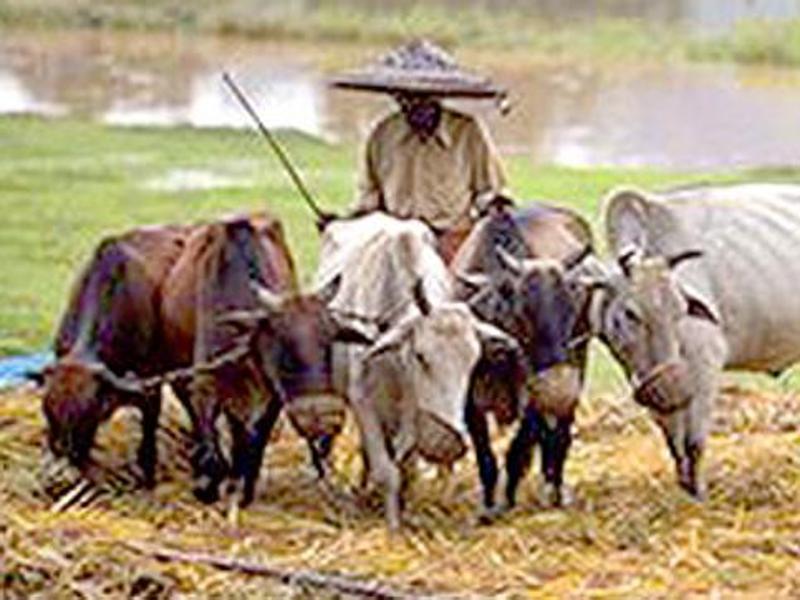
The rice swarming caterpillars or armyworms (Spodoptera mauritia), prevalent in most parts of India and South Asia, is considered one of the most dangerous pests. Paddy crops attacked by them look like fields grazed by cattle.
In the past three days, standing crop in 17,418 hectares spread over 10 districts in upper and lower Assam have been destroyed by the armyworms. Golaghat is the worst affected with 6,671 hectares.
“This is the biggest such attack the state has faced and we are worried. The problem has taken epidemic proportions,” state agriculture minister Atul Bora told journalists on Monday.
Locally known as ‘shur puk’, the worms usually affect areas where large-scale flooding has taken place recently. The last time such a major attack of armyworms took place was in 1967, but the damage wasn’t as widespread.
This year’s floods have damaged standing crop worth Rs 193 crore in over 200,000 hectares.
The minister stressed instructions have been issued to procure pesticides required to destroy the worms. He assured results would show in 24 hours.
“Crop damage is also happening in the agriculture minister’s own constituency, but the government is yet to take any concrete measures,” peasant leader and activist Akhil Gogoi said.
Farmers across the state have resorted to lighting prayer lamps and conducting religious rituals in their fields with the hope of saving their crops.