
 E-Paper



Move to switch to commissioner system in Noida and Lucknow will help improve policing, say former cops
An officer at the Uttar Pradesh police headquarters said all administrative decisions for maintaining security and law and order will now be taken by the police officers and not district magistrates as it was done earlier.


Former police officers have welcomed the move to switch to the commissioner system in Noida and Lucknow, saying it could improve policing in the two major cities of the state as the entire decisionmaking process will be now with the police officers.
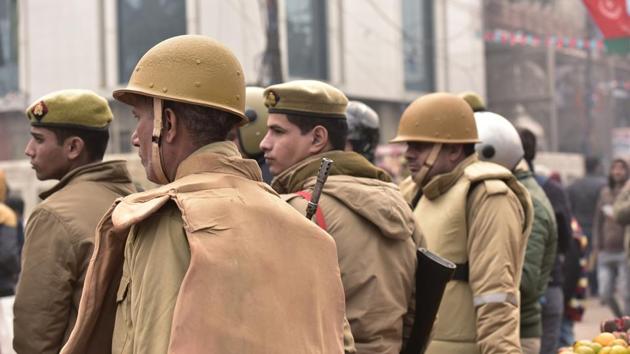
“The commissioner system can improve basic policing as it gives police commissioner powers to decide on local policing issues and take policy decisions. But manpower and training constraints have prevented real benefits of the commissioner system,” said Prakash Singh, a former director-general of Uttar Pradesh police, whose public interest petition in the Supreme Court resulted in a slew of reforms introduced in the police system.
“Technically, the commissioner system should have less political interference than the police under deputy commissioners. But in reality, it may not happen.”
Another former director-general of police Arvind Kumar Jain said the decision of implementing commissioner system will improve the law and order as well as help in curbing the crime rate. “This decision has increased the responsibilities of the police officers,” he said. He added with the passage of time, more senior police officers will have to be posted to Noida and Lucknow to make the system really effective.
An officer at the Uttar Pradesh police headquarters said all administrative decisions for maintaining security and law and order will now be taken by the police officers and not district magistrates as it was done earlier.
“Under section 4 of the Indian police Act of 1861, the district magistrate has certain powers over the police. Additionally, Sections 20 and 21 of the Criminal Procedure Code, give some powers to regulate law and order to the executive magistrates. In the police commissioner system, these powers are exercised by the police officers,” he said.
Former Uttar Pradesh police chief Brij Lal said sometimes there used to be a difference of priority or opinion even while taking preventive measures. He said police deals with people, who are a threat to peace and law and order situation, while district administrations have several other responsibilities.
Lal cited the killing of tribals in Sonbhadra district last year and said police could have taken action to avoid the confrontation there .“In case of crowd control, the power of ordering the use of force was with the district administration. But in the case of Noida and Lucknow, the police now have the direct right to use its power as per the situation.”
Lal said the police in the two cities will also now decide on requests for permissions for protests and demonstrations.
Before Noida and Lucknow, 61 Indian cities were under the commissioner system. Except Uttar Pradesh, Bihar, Odisha, Chhattisgarh and some Northeastern state, other states have introduced the commissioner system in their cities under the Indian Police Act.


