E-Paper



MP Govt to conserve 1,800 tribal sacred sites, scraps religious corridor plan
In February, the state’s culture department advisor had proposed an Adivasi Lok, similar to the existing Mahakal Lok and Devi Lok

 Prefer HTon Google


Bhopal: The Bharatiya Janata Party-led Madhya Pradesh government has decided to conserve 1,800 sacred and religious sites of tribals, abandoning its earlier plan to build a corridor-like structure near temples featuring statues, murals, and paintings depicting the connection between tribals and Hindu Gods and Goddesses, officials said.
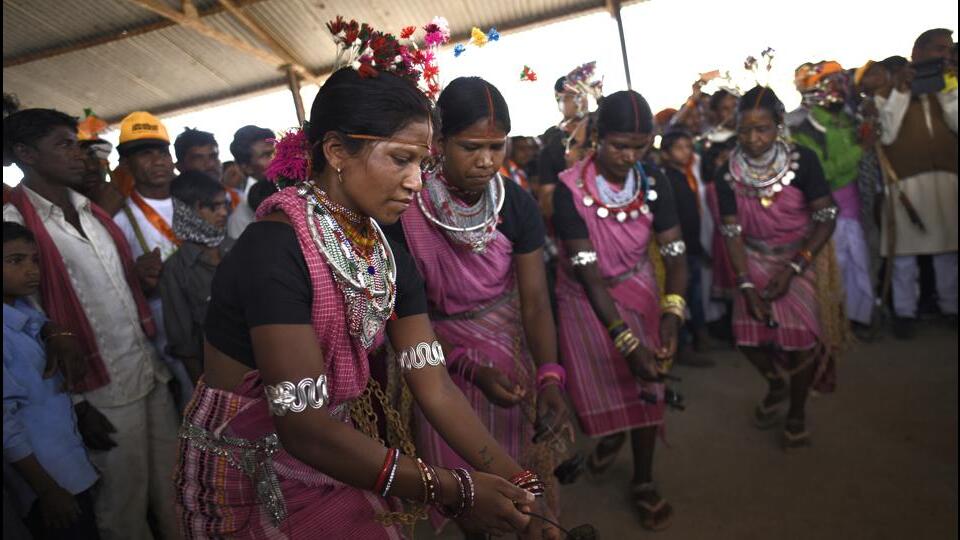
In February, the state’s culture department advisor had proposed an ‘Adivasi Lok’, similar to the existing Mahakal Lok and Devi Lok, which would depict how Lord Ram spent time with tribals, Lord Krishna’s efforts for their upliftment, and the contributions of Lord Parshuram and Lord Hanuman in the lives of tribals.
The plan was cancelled by the chief minister’s office saying it would create “unnecessary controversy.”
Also Read: Tribal leaders in Madhya Oradesh fear polarisation by BJP
“Before 2018 mass Ramayans, Bhagvat Kathas and Durga Pujas were conducted in tribal villages and Congress and other local parties like Jai Adivasi Yuva Sangathan (JAYS) and Gondwana Gantantra Party (GGP) made inroads in the tribal belt by creating a wrong perception that BJP-led state government was forcefully imposing Hindu god and goddess on tribal,” said a senior official.
The government has adopted a different strategy after the poll debacle in 2018 where the Congress got 31 seats while BJP got 15.
“Tribal have unique tradition, culture and religious practices. We have to respect it,” the official said.
The tribal cell at Governor’s Office conducted a survey in tribal areas and found 1,800 religious places of importance for tribal people. “We have decided to conserve and provide better connectivity to these religious places of tribals,” the official said, adding that basic facilities such as drinking water and toilets will also be provided.
Also Read: ‘Will win 370 seats, wipe out Congress’: PM Modi at tribal outreach event in Madhya Pradesh
“We will also celebrate their festivals and organise special cultural fairs like Bhagoria, which has been announced as a state festival on March 4,” he added.
The official said very soon a separate budget will be provided for the same.
Meanwhile, tribal welfare minister Kunwar Vijay Shah on March 4 said, “It’s our duty to conserve tradition and religious practices of tribal. We will develop all the places which is important for tribal.”
“In the past 20 years, we left no stone unturned to woo tribal and to develop trust among tribal. In 2018, we lost the election as party could be able to win only 15 seats out of 47 scheduled tribe reserved seats while in 2023, we registered a new record of winning 163 seats including 24 ST reserved. The reason behind the win was many tribal focused schemes and promoting tribal freedom fighters and great personalities. But this is not enough to win the heart of tribal but conserving their religious practices will definitely help us to convince the tribal that the party is with them,” a senior leader of BJP said. --- has he requested anonymity.
Madhya Pradesh has 21 percent of tribal population mostly concentrated in Nimar and Mahakaushal egion of the state. Of them, Bhils are the most followed by Gond, Kol Korku, Sehariya and Baiga.