
 E-Paper



Madhya Pradesh okays ordinance on conversion, adulteration
Ten other draft ordinances ranging from Madhya Pradesh Cooperative Society (Amendment) Ordinance, 2020 to Madhya Pradesh Public Service Guarantee (Amendment) Ordinance, 2020 were also cleared.

 Prefer HTon Google


The Madhya Pradesh cabinet on Tuesday approved a draft anti-conversion ordinance with punishment of up to 10 years imprisonment for religious conversion by way of allurement, fraud, threat or marriage, becoming the second state after Uttar Pradesh to enact legislation to regulate interfaith marriages.
The cabinet sanctioned another draft ordinance prescribing life imprisonment for those found guilty of food or drug adulteration. Ten other draft ordinances ranging from Madhya Pradesh Cooperative Society (Amendment) Ordinance, 2020 to Madhya Pradesh Public Service Guarantee (Amendment) Ordinance, 2020 were also cleared.
All draft ordinances were sent to Madhya Pradesh governor Anandiben Patel for promulgation. The ordinances were required because the state government couldn’t table concerned bills in the assembly because the three-day winter session was cancelled due to the Covid-19 pandemic.
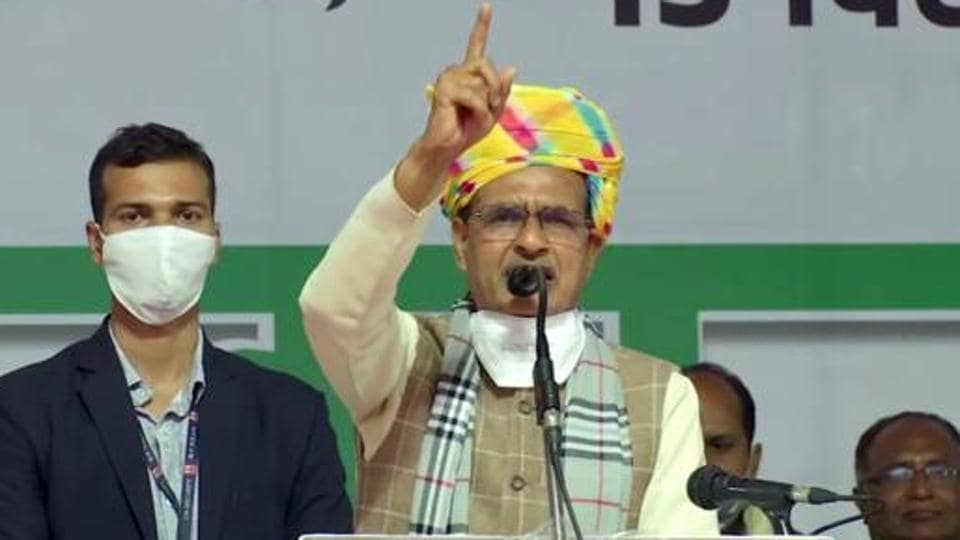
“We have made a provision for stringent punishment on religious conversion of women and daughters, especially minor daughters and people from scheduled castes and scheduled tribes, in violation of the law,” said chief minister Shivraj Singh Chouhan in a video message.
The MP freedom of religion ordinance prohibits conversion by misrepresentation, allurement, force, undue influence, coercion, marriage or any other fraudulent means. Abetment and conspiracy for conversion is prohibited under it and any marriage solemnised in violation of the proposed law will be considered null and void.
Those willing to convert will need to apply 60 days in . Violation of these provisions will attract a jail term of three to five years and a fine of Rs 50,000.In cases involving members of scheduled castes, scheduled tribes and minors, a person faces imprisonment of two to 10 years and Rs 50,000 fine.
There is a provision of three to 10 years of imprisonment and a fine of Rs 50,000 in cases of marriage carried out by “hiding religion, misrepresentation or impersonation”.
“The proposed law will deal with those who marry our daughters by converting them by luring, influencing, threatening, or coercing,” said state home minister Narottam Mishra, who claimed on Saturday that the Madhya Pradesh law will the toughest anti-conversion statute in the country. The proposed legislation will replace the 1968 Madhya Pradesh Freedom of Religion Act.
On November 28, UP also promulgated a similar ordinance that banned conversion by fraud, allure, coercion or marriage. The law comes amid a raging controversy on love jihad,a term used by right-wingers to describe a relationship between a Muslim man and a Hindu woman.
The food adulteration ordinance -- officially known as The Penal Laws (Madhya Pradesh amendment) Ordinance 2020-- amended several sections of the Indian Penal Code (IPC) to provide life imprisonment and a fine of Rs 1 lakh.
“The state government received information about food and drug adulteration. There were reports about even adulteration in plasma. Fake plasma. What can be a bigger crime than this? Whether it’s adulteration of food or medicines it’s nothing but playing with lives of people. This can’t be allowed in Madhya Pradesh at any rate,” Chouhan said.
State Congress spokesperson JP Dhanopia said the new ordinances were unnecessary, “The provisions of MP Freedom of Religion ordinance and Public Service Guarantee ordinance already exist in laws. For an instance, in case of marriage with a minor girl whether with consent or lure or intimidation it is considered as a rape under IPC. Forced conversion is already a crime. The ordinance on adulteration was brought as the then Kamal Nath government had launched a massive statewide campaign against adulteration.”


