E-Paper



Nagaland CM refuses to resign, wants consultation to end women’s reservation row
Despite growing pressure from tribal organisations, Nagaland chief minister TR Zeliang refused to step down on Tuesday, insisting that he enjoys majority support in the assembly.


Despite growing pressure from tribal organisations, Nagaland chief minister TR Zeliang refused to step down on Tuesday, insisting that he enjoys majority support in the assembly.
“I will resign only if my government is reduced to minority. And that can only be decided by a floor test in the assembly,” he told journalists in Kohima, in his first press interaction since the women’s reservation issue in the urban local body (ULB)elections sparked off the current crisis.
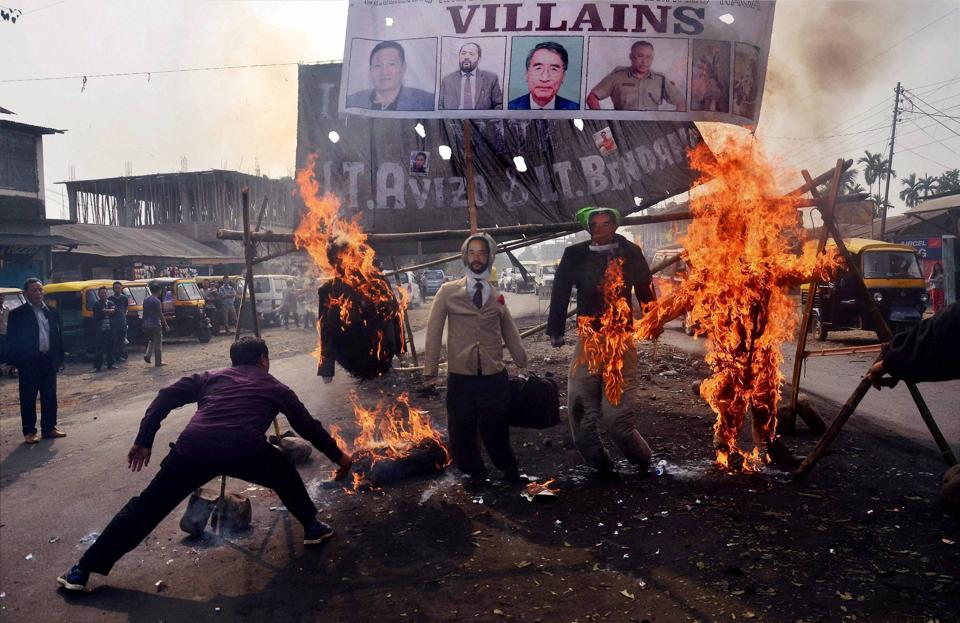
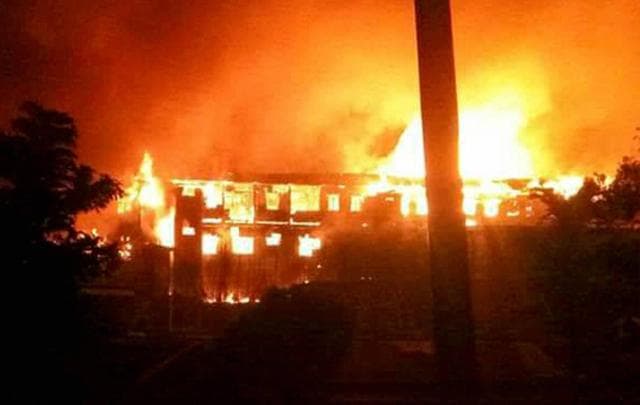
Opposition to holding elections to municipal bodies with 33% reservation for women led to violent protests that left two men dead in police firing in Dimapur and over 20 government buildings burned down in Kohima last week.
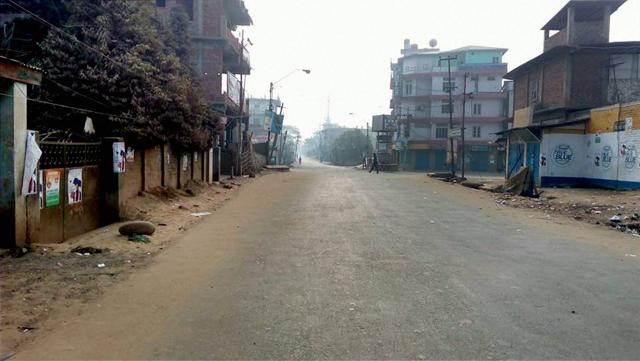
Holding Zeliang responsible for the incidents, powerful tribal bodies of the state have shut down government offices since Monday and have refused to call off protests till the CM resigns.
The Nagaland assembly has 60 members and Zeliang’s Naga Peoples’ Front-led Democratic Alliance of Nagaland, of which the BJP is also a part, enjoys the support of all legislators.
“I enjoy the support of all members barring the Speaker. Hence we don’t have to go by what people from outside say,” Zeliang said.
Vested were responsible for the move to oust him and it had nothing to with the municipal polls or reservation for women, he added.
He, however, refused to specify what or who those vested interests were and stressed there was no ground for President’s rule either in the state.
The state government has called for wider consultations with tribal bodies beginning Wednesday. But with the latter refusing to take part in talks till Zeliang steps down, the standoff could last for some time.
Zeliang stated that the only two options left with the government to end the present crisis are to hold municipal polls with 33% reservation or seek exemption of the state from Part IXA of the Constitution which deals with municipal polls and provides for reservation for women.
Nagaland is exempt from providing reservation to women in village bodies under provisions of the Panchayati Raj Act and the state government wants similar privilege for municipal bodies. In an emergency meeting on Saturday night, the state cabinet had decided to ask the Centre to keep the state outside the purview of a certain part of the Constitution that deals with the matter.
Article 371A of the Constitution grants special status to Nagaland to preserve customary laws and tribal bodies feel providing 33% reservation to women in municipal bodies will violate it.