
 E-Paper



Nagpur court acquits Devendra Fadnavis of concealing info in 2014 poll affidavit
Nagpur-based lawyer Satish Ukey, who filed the complaint against Devendra Fadnavis in 2014, was arrested by Enforcement Directorate in 2022. He continues to be in jail

 Prefer HTon Google


NAGPUR: A Nagpur court on Friday acquitted Maharashtra deputy chief minister Devendra Fadnavis in a criminal case against him for his failure to disclose two pending criminal cases in the election affidavit he filed in the 2014 state assembly elections.
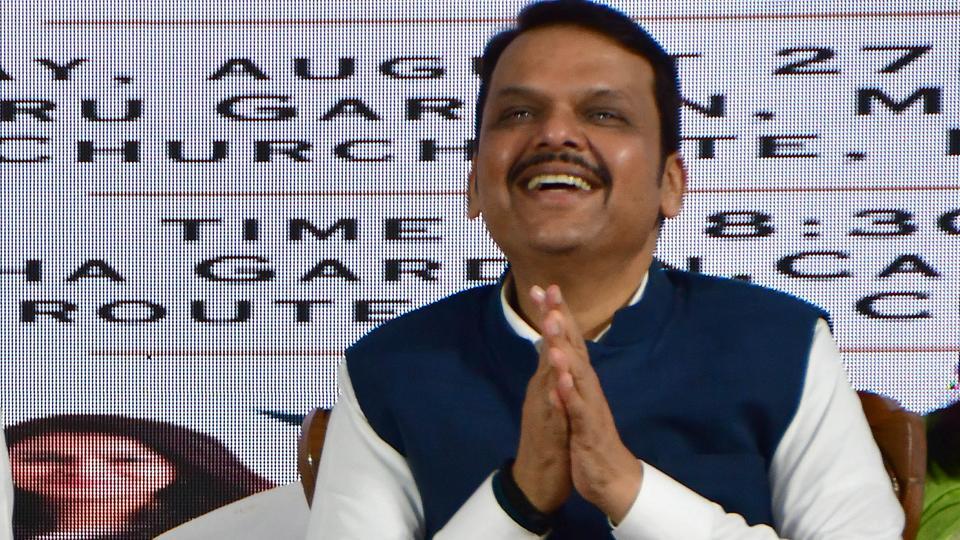
The case was registered against Fadnavis on a 2014 complaint by a Nagpur-based lawyer Satish Ukey who complained that the senior Bharatiya Janata Party (BJP) leader’s affidavit for the 2014 election did not disclose cases of cheating and forgery registered against him in 1996 and 1998 respectively.
Nagpur’s judicial magistrate first class Sangram S Jadhav on Friday accepted Fadnavis’s stand that the two offences were left out due to oversight and not an intent to mislead people. The judge said the prosecution hadn’t proven how concealing the two cases would have benefitted Fadnavis or what his motive was.
During the proceedings, Fadnavis, who was elected from Nagpur south-west assembly constituency, accepted that he had failed to disclose the criminal cases but said that it was not deliberate but an oversight on the part of his lawyer who was entrusted with the task.
Fadnavis and Satish Ukey were present in the court via video conference on Friday when the judge pronounced the verdict.
Ukey appeared for the case from Arthur Jail in Mumbai. The lawyer, who filed the complaint and fought the case against the senior BJP leader, was arrested by the Enforcement Directorate (ED) last year on money laundering charges linked to an alleged land-grabbing case.
Back in 2015, the Nagpur court had initially dismissed the complaint against Fadnavis in September 2015. Ukey challenged the ruling and the Nagpur sessions judge told the trial court to consider the case afresh. Fadnavis moved the Bombay high court against this order, which set aside the sessions judge’s order in May 2018. But Ukey did not give up and approached the Supreme Court.
In its October 2019 verdict, the Supreme Court set side the clean chit and held that the information required to be furnished under Section 33A of the Representation of the People Act, includes information relating to criminal cases of which cognizance has been taken and not just cases in which charges have been framed.
Fadnavis filed a review plea against the Supreme Court order which held that a case for prosecuting him under Section 125A of the Representation of the People Act was made out but this was also dismissed by the top court.


