
 E-Paper



Modi government consulted Muslim outfits before action on PFI
The Muslim outfits were were equivocal in their opinion that PFI was following an Wahhabi-Salafi agenda of pan-Islamist organisations with their extremist campaign to exploit the communal fault-lines in India.

 Prefer HTon Google


Prime Minister Narendra Modi and Home Minister Amit Shah took the decision to ban the PFI and its affiliates after national security planners had prominent Muslim organization on board against proposed action on Sunni Wahhabi outfit.
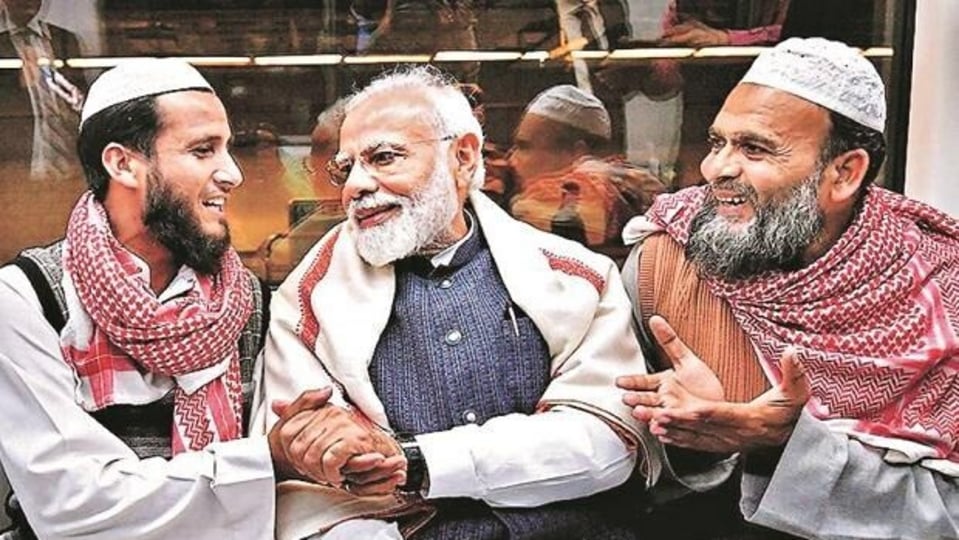
It is understood that National Security Advisor Ajit Doval met the prominent Muslim organization leaders on September 17 to understand their views before NIA, ED and State Police raids were conducted on September 22.
The NSA and Intelligence Bureau officers took the opinion of country’s biggest Muslim organisations including those representing Deobandi, Barelvi and Sufi sects of Islam. All these organizations were equivocal in their opinion that PFI was following an Wahhabi-Salafi agenda of pan-Islamist organisations with their extremist campaign to exploit the communal fault-lines in India.
The Centre's decision to ban the Popular Front of India and its associates has been welcomed by the Sufi and Barelvi clerics. The All India Sufi Sajjadanashin Council chairman said that everyone should show patience if an action has been taken to curb extremism.
“The All India Sufi Sajjadanashin Council believes that if this action has been taken for compliance with the law and the prevention of terrorism, then everyone should work patiently on it, this step of the government and investigative agencies should be welcomed,” the statement read.
Zainul Abedin Ali Khan, the spiritual head of the Ajmer Dargah welcomed the move and said the action taken as per law to prevent terrorism should be welcomed by all.
"If the country is safe then we are safe, the country is bigger than any institution or idea and if someone talks about breaking this country, breaking the unity and sovereignty here, talks about spoiling the peace of the country, then he has no right to live here," the Dewan said.
Maulana Shahabuddin Razvi Barelvi, the president of All India Muslim Jamaat, also issued a video statement, calling the decision the right step to curb extremism.


