
 E-Paper



National Institute of Bacteriology scientists begin probe into Indore water contamination
More than a week after residents of Bhagirathpura in Indore fell ill, test reports of water samples on Saturday confirmed that tap water was a cocktail of deadly pathogens

 Prefer HTon Google


Bhopal: A team of scientists from the National Institute of Bacteriology, Kolkata, on Sunday began collecting water and stool samples from people who fell ill after consuming contaminated drinking water in Indore for a detailed investigation into the bacteria involved, officials said.
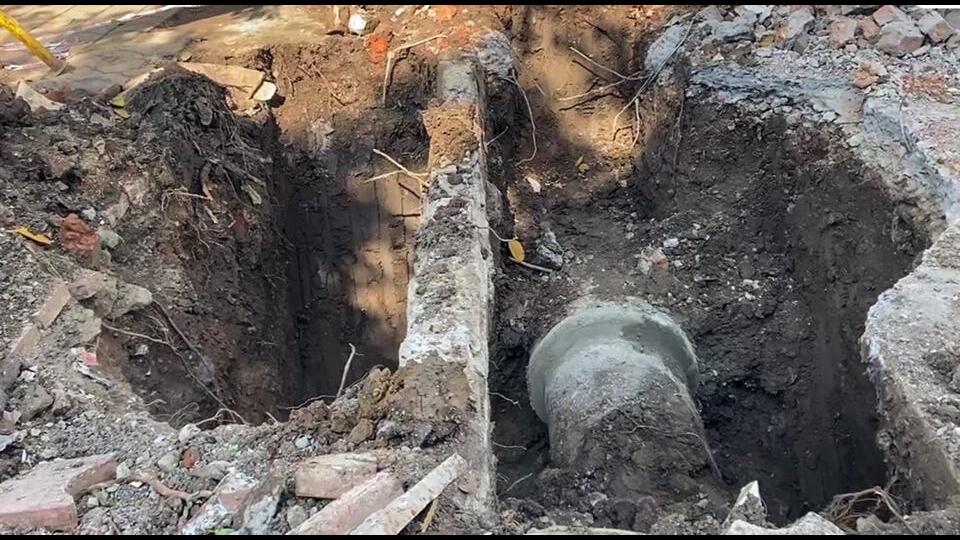
More than a week after residents of Bhagirathpura in Indore fell ill from consuming contaminated water, test reports of water samples on Saturday confirmed that tap water was a cocktail of deadly pathogens — including E. coli, Salmonella and Vibrio cholerae bacteria, along with viruses, fungi and protozoa — causing polymicrobial infections that led to multi-organ failure and sepsis among patients, officials said.
At least 10 people have died and 210 have been hospitalised since the outbreak began on December 25, with residents blaming officials for ignoring months of complaints about foul-smelling water in the congested locality. As many as 32 patients are being treated in intensive care units.
The scientists were called in by the Madhya Pradesh health department for a detailed investigation of the bacteria. Meanwhile, Guillain-Barré syndrome (GBS) was detected in a woman admitted to a hospital after diarrhoea. This can be caused by an infection with Campylobacter jejuni bacteria, though its presence is yet to be confirmed.
“The team is also probing the presence of this bacteria because it is the only such case found among patients from the Bhagirathpura area,” a senior health officer, requesting anonymity, said.
National Health Mission managing director Saloni Sidana also visited the hospitals with her team.
Sudam Khade, divisional commissioner in Indore, said, “The family members are being given a fair chance to establish the cause of death of their kin. The expert panel will approve the names for compensation.”
“The test and culture reports of 26 samples confirmed polymicrobial contamination, meaning multiple microbes were found. The culture report also confirmed the presence of E. coli, Salmonella and Vibrio cholerae,” Khade had earlier said, adding that multi-organ failure and sepsis from the resulting infections led to the deaths.
Meanwhile, patients admitted to ICUs in different hospitals are being shifted to Bombay Hospital.
A team of eight additional commissioners and 32 deputy engineers has been engaged in identifying leakages and collecting samples from 14 lanes in Bhagirathpura.
Indore collector Shivam Verma visited the area on Sunday morning and later held a review meeting with senior officials of all urban local bodies and Janpad Panchayats in the district.
“I instructed them to ensure regular chlorination, sampling and testing of all water sources in the district — including borewells, handpumps, wells and water tanks. Instructions were also given to complete the cleaning of water sources, repair pipelines and ensure uninterrupted water supply within seven days in mission mode,” the collector said.
Water samples from Bhagirathpura tested negative for bacteria on Sunday. “The positive results of chlorination and other measures promptly undertaken by the government department in the drinking water of Bhagirathpura are clearly visible. This conclusion was reached after testing water samples taken on Saturday morning. Tests conducted at Shri Aurobindo Hospital using state-of-the-art machines (Multiplex RT-PCR) revealed that the quality of drinking water has improved, and harmful bacteria and viruses have been completely eliminated, with test results coming back negative,” urban development minister Kailash Vijayvargiya said.
Chief minister Mohan Yadav held a virtual meeting with the mayors and commissioners of all 16 municipal corporations and instructed them to prepare time-bound programmes to improve water supply across the state to prevent such a tragedy from recurring.
Meanwhile, protests by Congress party leaders continued on Sunday across districts in Madhya Pradesh.



