
 E-Paper



NCB catches 2 Lankans sitting tight in Chennai, unravels Pak drug syndicate
Lashkar operative David Coleman Headley, arrested by the US in 2009, had revealed the link between drug trafficking and terrorism emanating from Pakistan, telling interrogators how ISI used profits from the drug trade to fund terror


A multinational crime syndicate that had been smuggling heroin from Pakistan and Iran has been busted, the Narcotics Control Bureau said on Friday after the arrest of two Sri Lankan nationals from Chennai. The two had slipped out of Sri Lanka when drug enforcement officials closed in on them and had been operating out of Chennai.
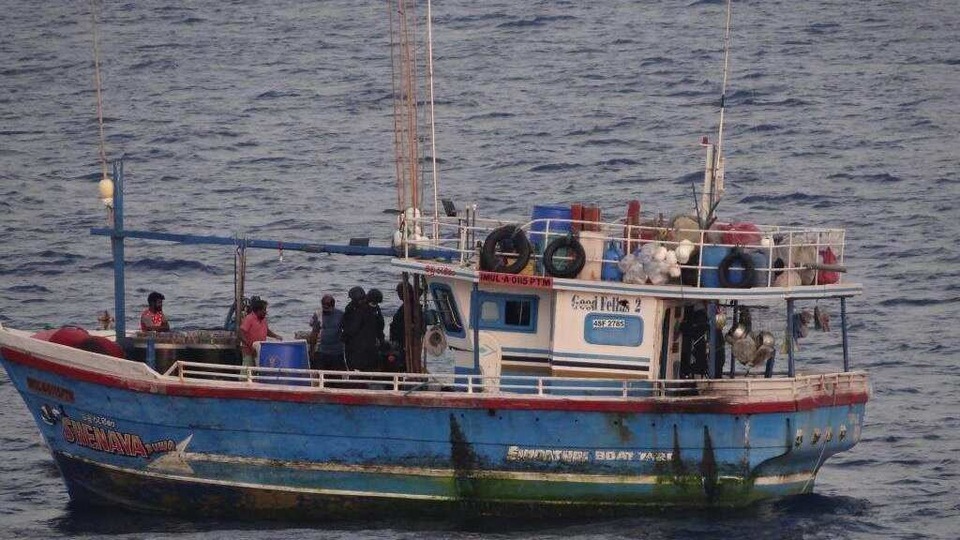
The NCB said the two - MMM Nawas and Mohamed Afnas - were key players in the multinational crime syndicate that was behind the 100 kg heroin and 18.325kg of methamphetamine seized from a Sri Lankan vessel “Shenaya Duwa” in the high seas south of Tamil Nadu’s Thoothukudi on 26 November. Six Sri Lankan nationals who were in the vessel were arrested and five pistols seized from them
NCB, India’s federal drug enforcement agency had been working on leads from this seizure for the last two months and finally tracked down the two players.
“Nawas and Afnas controlled the pickup and delivery of narcotic drugs from Pakistani and Iranian vessels for the syndicate that has its tentacles in Pakistan, Afghanistan, Iran, Sri Lanka, Maldives and Australia,” a senior NCB official said.
The NCB believes Pakistani drug traffickers lodged in Sri Lankan prisons play the lead role in the syndicate that sources large quantities of drugs from the Golden Crescent - Afghanistan, Pakistan and Iran - and delivers them to Sri Lankan and Maldivian entities.
The Golden Crescent has two important transit points for processed heroin in the island nations of Sri Lanka and Maldives. “And the heroin from this region is usually loaded in fishing vessels setting sail from the ports of Iran and Pakistan for mid-sea transfer into similar vessels of Sri Lanka and Maldives. However, the mid-sea transfers happen in territorial waters of India or very near to its territorial waters. There is a big network of foreign entities controlling this lucrative trade,” a spokesperson for the NCB said.
The NCB said drug syndicates that earlier mostly depended on smuggling narcotics through the north-western borders of India had increasingly been relying on the sea route since the traditional route for the Afghani-Pakistani heroin had become tougher to breach.
“This has also led to the increased use of the sea route by traffickers to smuggle heroin into India,” the agency, which has stepped up coordination with drug enforcement agencies such as the Australian Federal Police, Police Narcotics Bureau of Sri Lanka and the US Drug Enforcement Administration, said.


