E-Paper



India pummels Imran Khan’s adviser for fictional claim, then a parting shot
India has consistently linked any talks with Pakistan to the issue of Islamabad ending support for terror groups operating from its soil. The two sides have not held any structured dialogue since the 2008 Mumbai attacks.

 Prefer HTon Google


India on Thursday rubbished claims by an aide to Pakistan Prime Minister Imran Khan that New Delhi had sent messages for talks, saying Islamabad’s support for terrorism and the Pakistani leadership’s hate speech were not conducive to normal relations.
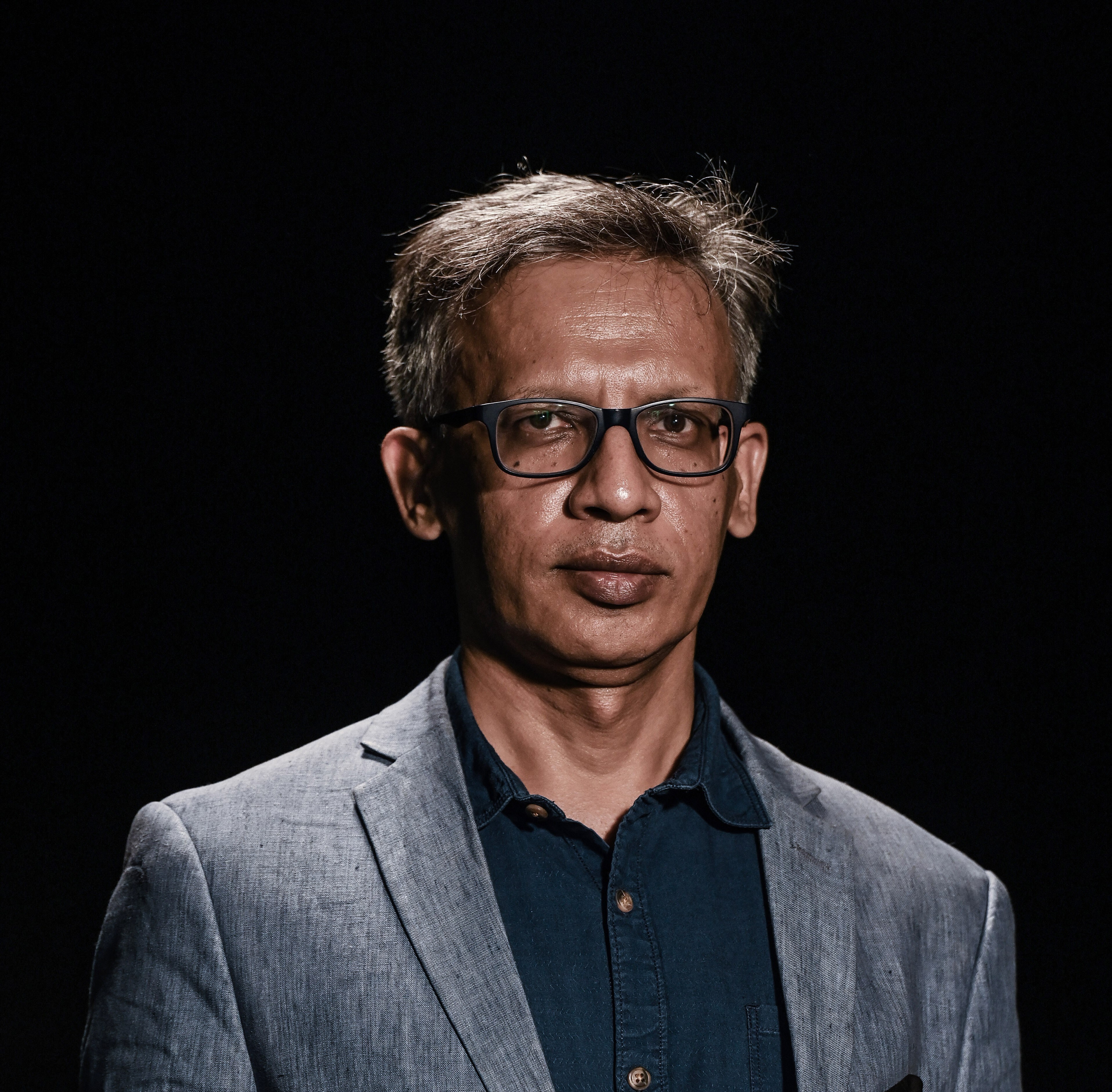
Moeed Yusuf, special assistant to Khan on national security and strategic policy, had said in an interview with the Indian media that New Delhi had sent messages to Islamabad with “a desire for conversation” but declined to give details. He also set pre-conditions for any dialogue, including the release of political prisoners in Kashmir and making Kashmiris party to potential talks.
Also Read: India roasts Imran Khan adviser’s claim of New Delhi’s outreach to Pak
External affairs ministry spokesperson Anurag Srivastava dismissed Yusuf’s claims during a weekly news briefing, saying: “As regards the purported message, let me make it clear that no such message was sent from our side.”
Srivastava described Yusuf’s comments on India’s internal matters as an effort by Pakistan to “divert attention from domestic failures of the present government and mislead its domestic constituents by pulling India into headlines on a daily basis”.
He asked Yusuf to “restrict his advice to [Pakistan’s] establishment and not to comment on India’s domestic policy”. He added, “The statements made by him are contrary to facts on the ground, misleading and fictitious.”
India has consistently linked any talks with Pakistan to the issue of Islamabad ending support for terror groups operating from its soil. The two sides have not held any structured dialogue since the 2008 Mumbai attacks, which were carried out by the Pakistan-based Lashkar-e-Taiba, though there have been sporadic contacts between the leaders of the two sides in the years since then.
Ties received a boost when Prime Minister Narendra Modi made a surprise visit to Lahore in December 2015 while returning to India from a trip to Afghanistan. The two sides agreed at the time to launch a “comprehensive dialogue” but these efforts were put on the backburner after a terror attack on the Pathankot airbase in January 2016.
Srivastava reiterated India’s accusation that Pakistan “continues to support, aid and abet cross-border terrorism against India” and that it has been resorting to unprovoked ceasefire violations along the Line of Control (LoC) in Jammu and Kashmir to support terrorist infiltration.
“The Pakistani leadership continues to indulge in inappropriate, provocative and hate speech against India. Such support to terrorism against India and use of derogatory and abusive language are not conducive to normal neighbourly relations,” he said.
During the interview, Yusuf blamed India for “deliberately delaying sending evidence and witnesses” for the trial of the seven men accused of involvement in the Mumbai attacks so that it can use the issue to run down Pakistan in front of the world community.
He also levelled several allegations against India, including the funding of the Pakistani Taliban and having a hand in a terror attack on an army school in Peshawar in 2014, but didn’t offer any concrete evidence to back up these claims.