E-Paper



No new H1N1 strain in circulation, current vaccines effective: ICMR officials amid rising cases
ICMR officials said no new H1N1 strain is circulating in India and the current viruses are well matched with vaccines recommended for the Northern Hemisphere.

 Prefer HTon Google


The influenza A (H1N1) strain currently circulating in India is not new, and most reported cases are causing mild symptoms, scientists at the Indian Council of Medical Research (ICMR) said.
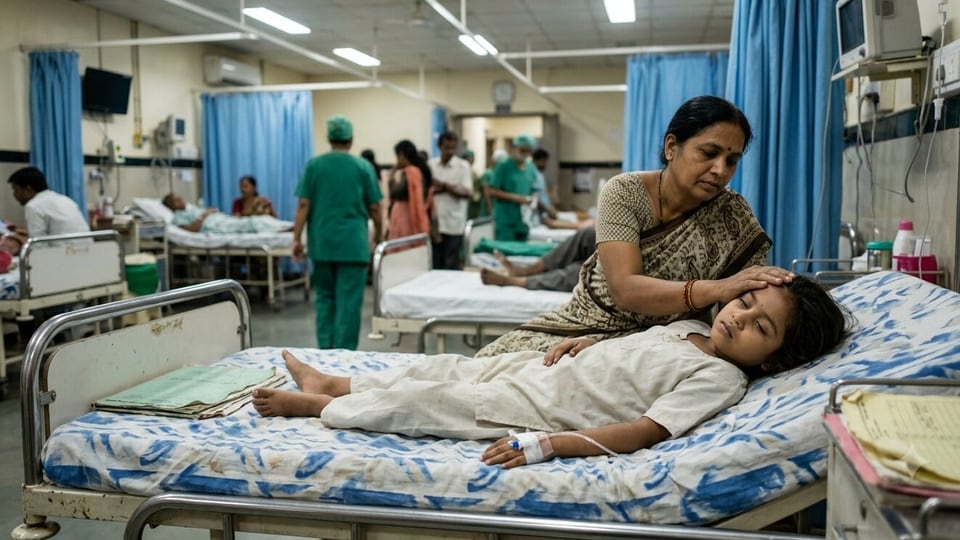
The strain has been in circulation since 2025, and there is no cause for panic despite a recent rise in cases, particularly in Delhi, which has reported nearly 1,800 cases this season, according to ICMR officials.
“There is no need to panic as the cases are largely depicting mild symptoms and mortality rate remains low. Persons who are high-risk need to be extra careful and take preventive measures especially when stepping out in public spaces,” an official added, requesting anonymity.
Deep Dive

According to a note shared by ICMR officials, “The Influenza A (H1N1) pdm09 viruses currently circulating in the country belong to the A/Missouri/11/2025 (H1N1) pdm09-like virus strain. These viruses belong to clade 6B.1A.5a2a, subclade D.3.1.1, and have been in circulation since 2025.”
“Scientists have clarified that no new strain of H1N1 has been identified and there is no cause for panic. The Influenza strains currently circulating are also well matched with the vaccine strains recommended for the Northern Hemisphere,” the note added.
Doctors say that an increase in cases of viral influenza is not unusual during the monsoon season, when the climate is conducive to the growth of disease-causing microbes.
Dr Harpreet Kaur, medical superintendent, head - lab services and blood centre transfusion medicine and blood banking, haematology, cytology, Aakash Healthcare, said, “This seasonal rise is not unexpected. Stagnant water creates favourable conditions for mosquito breeding, while damp and humid weather can facilitate the spread of respiratory infections, particularly indoors and in crowded settings. What varies from year to year is how prepared we are to respond.”
Also Read: 1,777 cases, zero deaths: The science of H1N1, the surge in Delhi and how it differs from Covid-19
Seasonal influenza, including H1N1, is mostly self-limiting, they added. Common symptoms include fever, cough, headache and body ache, and most people recover with appropriate care and rest.
However, young children, elderly persons and individuals with underlying medical conditions may be at greater risk of complications.
Preventive measures include frequent handwashing, following respiratory etiquette such as covering the mouth and nose with a tissue when coughing or sneezing, trying to avoid close contact with people who are sick, and staying home when you feel unwell so you don’t pass the virus around.
If symptoms persist, worsen or become severe, timely consultation with a doctor is advised.
“The situation continues to be closely monitored through regular surveillance, and necessary public health measures are being undertaken,” said the official cited above.