
 E-Paper



No permission for India-based foreign journalists to travel via Wagah
Pakistan had planned to take a group of five foreign journalists to Islamabad during August 3-7 for interactions with Prime Minister Imran Khan and other senior leaders and officials. The group included representatives from The New York Times, Reuters and The Economist


Indian authorities have turned down Pakistan’s request to allow a group of New Delhi-based foreign journalists to travel to Islamabad via the Wagah-Attari border crossing, which is closed for most categories of travellers, people familiar with developments said on Tuesday.
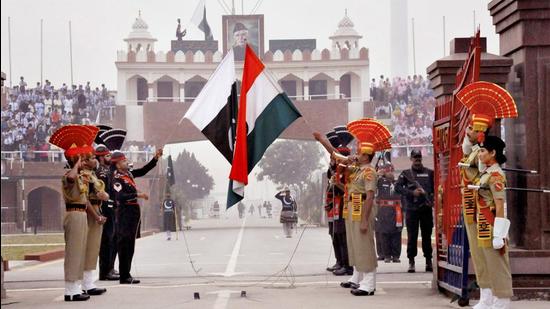
Pakistan had planned to take a group of five foreign journalists to Islamabad during August 3-7 for interactions with Prime Minister Imran Khan and other senior leaders and officials. The group included representatives from The New York Times, Reuters and The Economist.
The visit by the New Delhi-based journalists was to have been a follow-up to a visit last month by a group of Afghan journalists that interacted with Khan. The visits are part of Pakistan’s overall effort to shape the narrative on Afghanistan and the country’s role in the stalled peace process.
Also Read | Speed of Taliban’s assault on key cities exceeds Indian assessment
The people cited above said on condition of anonymity said the Wagah-Attari border crossing is currently open to very limited categories of travellers, including diplomats and people travelling for essential reasons, because of Covid-19-related restrictions.
The Pakistani side had sought permission for the five foreign journalists to travel via Wagah along with Jamil Baitu, the spokesperson of the Pakistan high commission in New Delhi.
The Pakistani side had been planning the trip by the New Delhi-based foreign journalists for the past few weeks. Another plan by the Pakistani side to take a group of Indian journalists to Islamabad in March was subsequently dropped.
The Wagah-Attari border crossing was closed last year following the Covid-19 outbreak. Pakistan recently increased restrictions on travellers from India after the country was hit by a devastating second wave of infections earlier this year.
Both Pakistan and India have imposed restrictions on each other’s journalists in recent years after bilateral ties plunged to an all-time low following the military standoff in the aftermath of the 2019 Pulwama suicide bombing that killed 40 Indian troopers. The attack was blamed on Pakistan-based Jaish-e-Mohammed.
Pakistan also often denies visas to Indian journalists for reporting assignments.


