E-Paper



‘No security reason’ for Indian students to leave Russia, says embassy
The guidelines posted on the embassy’s website made no reference to the impact of crippling sanctions imposed by Western countries on Russia over the invasion of Ukraine. However, most of the concerns of the students appeared to be related to the fallout of the sanctions, which have hit the Russian economy very hard.

 Prefer HTon Google


Indian students in Russia concerned about disruption of flights and banking services can consider returning home though there are “no security reasons” for them to leave, the Indian embassy in Moscow has said.
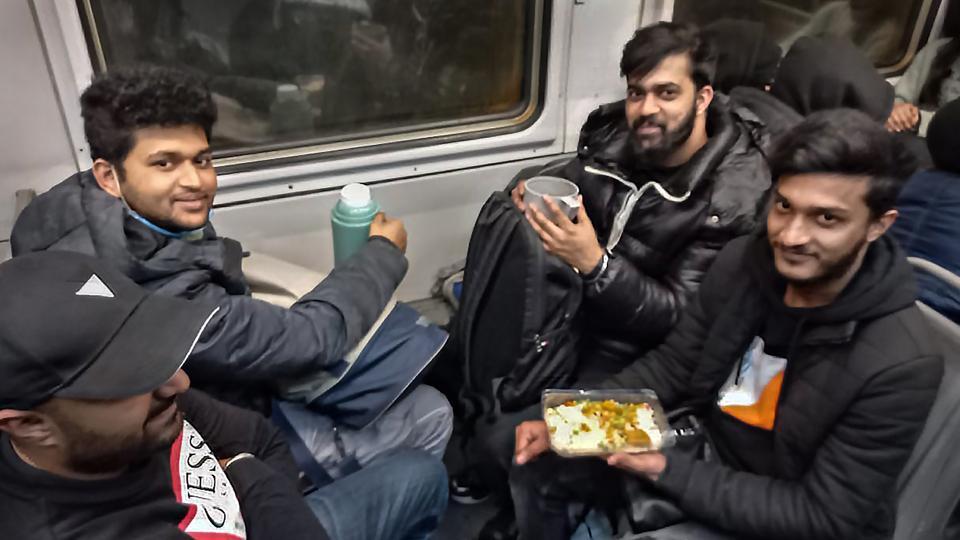
The embassy issued guidelines for Indian students in Russian universities after being contacted by them for advice on “their continued stay in the country”.
The guidelines posted on the embassy’s website made no reference to the impact of crippling sanctions imposed by Western countries on Russia over the invasion of Ukraine. However, most of the concerns of the students appeared to be related to the fallout of the sanctions, which have hit the Russian economy very hard.
“Certain disruption of banking services in Russia and direct flight connectivity from Russia to India is, however, taking place,” the guidelines said.
“If students have concerns regarding these aspects and would like to travel back to India, they may consider doing so,” the guidelines added.
The embassy reassured the students “that at present we see no security reasons for them to leave”.
The embassy is in regular contact with the relevant Russian authorities “with respect to the safety and security of the Indian nationals, including students”.
Referring to academic programmes, the embassy said it had been informed by a number of universities that they have already shifted to the online distance learning mode.
“Students are advised to exercise their discretion in consultation with their respective universities on the appropriate course of action regarding continuation of their academic activities without disruption,” the guidelines said.
There are some 15,000 Indian students in Russia, most of them enrolled in medical courses. Russia has been a key destination for Indians opting to study medicine abroad since the Soviet era. Many Indian students opt for Russia because the courses are cheaper than in Western countries.
The US and its allies have imposed a series of wide-ranging sanctions on Russia since President Vladimir Putin ordered the special military operation in support of the breakaway Ukrainian regions of Donetsk and Luhansk on February 24. The curbs have included a freeze on the overseas assets of the Russian Central Bank and sanctions on leaders and oligarchs close to Putin.
The rouble has already lost 30% of its value against the US dollar and international banks have begun locking out Russian banks from their systems.
India has abstained on at least half a dozen measures at UN bodies aimed at criticising Russia for the invasion of Ukraine. India has also refrained from condemning Russia’s actions though it has called for respecting the sovereignty and territorial integrity of states. Western powers have begun pressuring India to take a position on the issue, something New Delhi has been loathe to do because of its close strategic ties with Moscow and its dependence on Russian military hardware.