
 E-Paper



‘Not so easy’: Pak struggles to get support for Kashmir move at Geneva
As the world body on human rights gets down to business, the Indian assessment is that Qureshi and Pakistan might have to lower the bar on what they can sell to its domestic audience as a victory.

 Prefer HTon Google


Pakistan Foreign Minister Makhdoom Shah Mahmood Qureshi has landed in Geneva to front his country’s shrill campaign against India at the ongoing session of the UN human rights council, or UNHRC. Pakistan wants the UN body to either agree to an “urgent debate” or pass a resolution on the human rights situation in Kashmir that mirrors its perception and agenda.
But as the world body on human rights gets down to business, the Indian assessment is that Qureshi and Pakistan might have to lower the bar on what they can sell to its domestic audience as a victory.
“Because it is not going to be easy to either get the 47-member UN body to agree to either a debate or a resolution on Jammu and Kashmir,” a person familiar with the development said.
According to the procedure laid down by the top UN body on human rights, Pakistan will need a majority support in the 47-member body to even get the council to take up the debate or resolution.
Watch: Pakistan’s UNHRC bid on Kashmir: Playing Russian roulette with diplomacy?
A second person familiar with the developments in Geneva said Pakistan, as of now, was far from getting the support from a significant number of these countries. That position appeared to reflect in Qureshi’s first tweet on Tuesday; a call to rise against what the Pakistan minister described as “injustice and oppression” in Kashmir.
That was the thrust of his speech at the human rights council too on Tuesday as Qureshi, unsure of support to his country’s stand, fired at New Delhi for the situation in Kashmir that he described as the “largest prison” in the world. This speech delivered by the visiting foreign minister, however, would not lead to any outcome and appeared to be designed more for Pakistan’s domestic audience than the diplomatic community. Qureshi, who was given an opportunity to speak as the visiting minister, spoke after another visiting foreign minister, Amadou Ba from Senegal.
The session, which started on Monday, will last till September 27; Qureshi will be in Geneva till Thursday. But if Pakistan wants to move a resolution, it needs to do so before September 19.
For now, the Indian assessment is that Pakistan will not formally push for either the debate or the resolution unless it is fairly confident that it can get the support of a majority.
That would be the common sense approach too, the people mentioned above said. Pakistan’s two previous efforts to embarrass India at the UN Security Council and during PM Imran Khan’s efforts had ended disastrously with only 14:1 vote. Back home in Pakistan, Khan had projected the move to get the UN security council’s closed door discussion as a diplomatic victory.
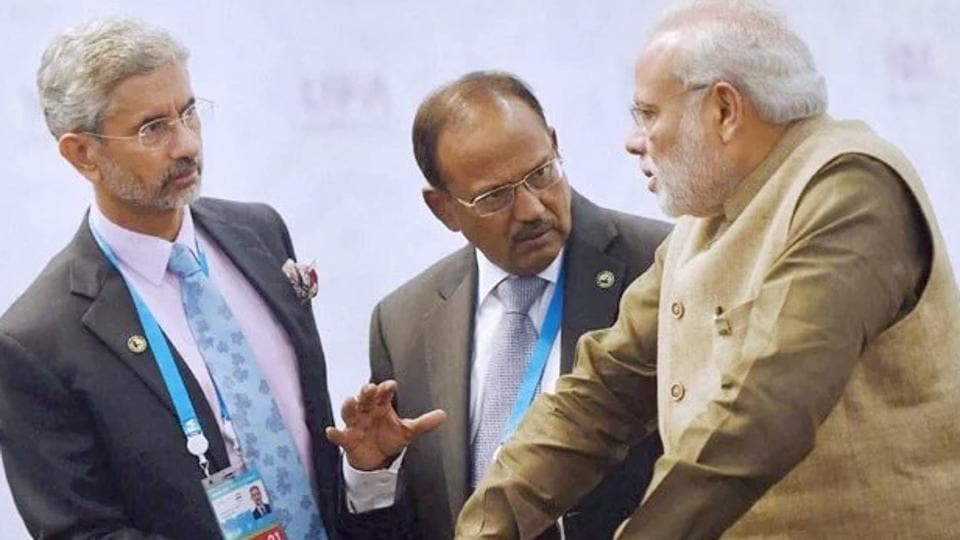
Much of the Indian effort to block Pakistan from using the UN human rights council forum is linked to the global outreach by Foreign Minister J Jaishankar and the role played by National Security Adviser Ajit Doval to keep a tight grip on the situation in Jammu and Kashmir and at the same time, as one government official put it, sensitising security forces to not cross redlines. “It is because of such close involvement that there have been no deaths in police action,” the official said.


