E-Paper



Odisha KG-to-PG free edu subject to 75% attendance, professional courses exempted
The fee waiver would apply only to eligible regular courses in state universities, government colleges and private aided colleges

 Prefer HTon Google


The Odisha government has said its Gyanodaya scheme for free education from kindergarten (KG) to postgraduate (PG) level will be subject to a minimum 75% classroom attendance, excluding professional courses, private institutions, and self-financing programmes.
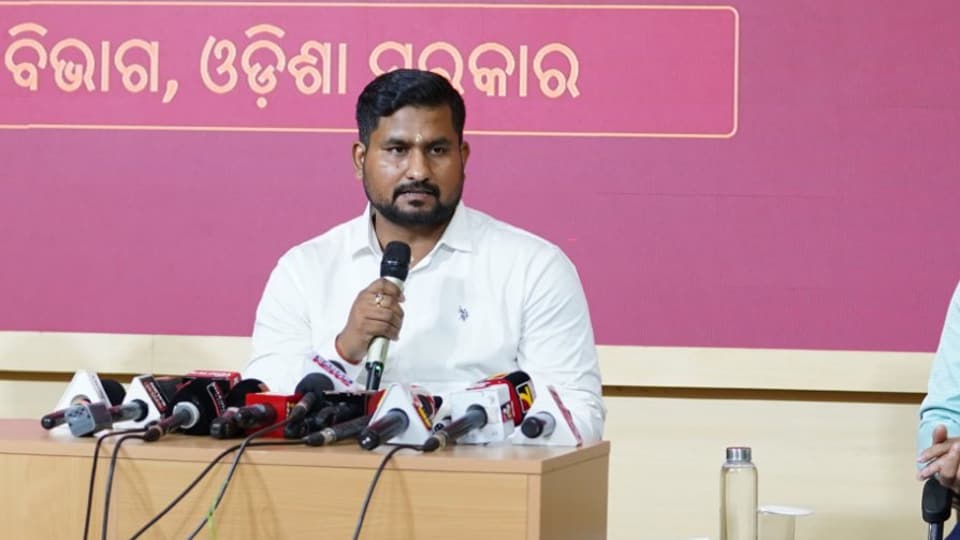
State higher education minister Suryabanshi Suraj said no student would be deprived of quality education because of financial constraints, but beneficiaries would have to meet eligibility conditions. Students are required to maintain at least 75% attendance, even as the requirement may be relaxed up to a minimum of 65% in exceptional cases.
Suraj, who released the Standard Operating Procedure (SOP) for the scheme on Tuesday, said the fee waiver would apply only to eligible regular courses in state universities, government colleges and private aided colleges. Professional and technical courses, teacher education programmes, self-financing courses, private unaided institutions, correspondence programmes, and courses run under the Public-Private Partnership model have been excluded.
Under the scheme, the government will reimburse institutions for admission-related charges, including enrolment and re-enrolment fees, as well as fees collected towards the library, identity cards, semester charges, college development, etc. Students will continue to pay examination and hostel fees.
Students who have paid admission fees during the first round of admissions will receive refunds directly into the bank accounts from which the payments were made. Those wishing to change their bank account details will be allowed to do so before the refund is processed.
The government will reimburse institutions in instalments during each academic year, with 10% released after admission, followed by 15%, and the remaining amount in three equal instalments of 25% each.
The SOP bars state universities, government colleges, and private aided colleges from revising fees for regular courses covered under the Gyanodaya scheme. Institutions seeking any fee revision in exceptional circumstances must obtain approval from the Fee Regulation Committee.