E-Paper



Odisha MLAs join top-paid legislators after 211% hike
Odisha assembly raised MLA salaries by 211%, making them the highest-paid in India, amid public concern over low minimum wages for workers.

 Prefer HTon Google


The Odisha assembly on Tuesday passed legislation raising MLA salaries and allowances by approximately 211 %—a quantum leap that vaults the state’s legislators to the highest-paid ranks nationally , even as the state lags several others in terms of minimum wages for workers.
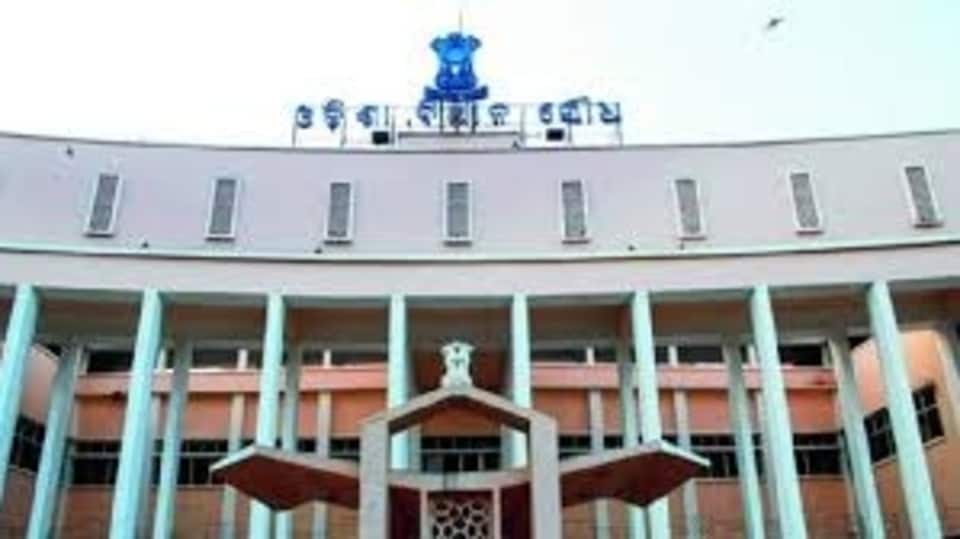
Odisha’s decision seems to have united political adversaries but divided public opinion.
Four separate bills, passed without a single dissenting voice, increased monthly emoluments of MLAs from ₹ 1.11 lakh to ₹3.45 lakh, that of CMs from ₹98,000 to ₹3.74 lakh, of ministers from ₹97,000 to ₹3.58 lakh and Speakers from ₹97,500 to ₹3.68 lakh effective retrospectively from June 2024. The salary of Odisha MLAs were last hiked in 2017.
The raise positions Odisha ahead of traditionally high-paying states such as Telangana where MLAs earn around ₹2.50 lakh monthly while those in Maharashtra receive approximately ₹2.52 lakh. In Uttar Pradesh, the MLAs get paid ₹1.87 lakh following a modest 30-40% increase earlier this year. Karnataka’s recent 100% increase took MLA salaries to ₹1.60 lakh, while salaries of Delhi and Kerala legislators remain at ₹90,000 and ₹70,000 respectively—a disparity that reflects varying budget capacities and policy choices across states.
In contrast, minimum wages for unskilled workers in Odisha are around 12,012 a month, compared to ₹18,460 in Delhi.
One of the Odisha bills also proposed ₹25 lakh assistance to the family of any sitting MLA in the event of death, along with provisions to increase pay, allowances and pension every five years and permitting such hikes through an ordinance.
Ministers in Odisha have also done well for themselves, with cabinet ministers earning ₹3.62 lakh a month compared to ₹3-3.50 lakh in Telangana and ₹3 lakh in Delhi. Pensions for former MLAs have more than doubled from ₹30,000 to ₹80,000, with additional increments for longer legislative service. Many states have not seen major revisions in 2025, making Odisha’s pay hike an outlier that elevates it from mid-tier to top-tier nationally.
Odisha’s per capita income at ₹182,548 a year lags the national ₹205,324.
Odisha’s parliamentary affairs minister Mukesh Mahaling defended the increase citing inflation, stagnant pay scales since September 2018, and recommendations from the Assembly’s advisory committee. He emphasized the need to align with “current economic realities” and prevailing compensation structures in other states.
The push for revision came from across party lines. BJD’s seven-time legislator Pramila Mallik sought a 2.5-fold increase, highlighting struggles faced by former MLAs with rising medical expenses and market prices. Congress and BJP members echoed concerns about inadequate compensation relative to other states and the financial burden of meeting constituency demands. Chief Minister Mohan Charan Majhi himself had championed salary hikes in July 2022 as opposition chief whip, arguing that no revisions since 2017 had left legislators struggling with escalating living costs.
Interestingly, 73% of the state’s 147 MLAs have assets in excess of ₹1 crore, the highest ever in the history of Odisha Assembly.
Mahendra Parida, a civil society activist said: “When education and health care face funding gaps, tripling MLA salaries sends the wrong signal. What is worrying is the legislators displaying remarkable unity for self-interest while remaining fractured on pressing public issues.”
Political analyst Satya Prakash Dash said Odisha’s steep escalation—far outpacing Karnataka’s 100% rise or Madhya Pradesh’s proposed 50% increase—may trigger a domino effect. Other states could follow suit, potentially straining already stretched state finances.