
 E-Paper



‘One call from Modi can end issue’: UAE ambassador on PM's standing amid Middle East conflict
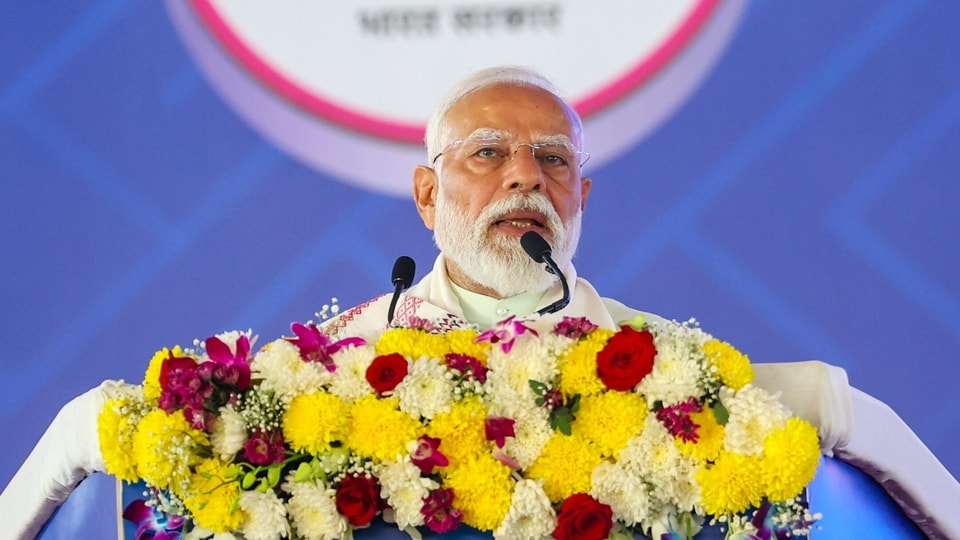
He said the confidence comes from PM Modi's position with whom the UAE ambassador described as "warriors".

 Prefer HTon Google


The widening conflict in the Middle East region, with Iran and the US ramping up attacks against each other, has caused concerns over severe repercussions and impact across the world. Amid this, the UAE ambassador to India reportedly said that one phone call from Prime Minister Narendra Modi to his Iranian and Israeli counterparts could "end this issue".
What started from the joint US-Israeli strikes on Iran, which also killed Iranian Supreme Leader Ayatollah Ali Khamenei, soon spiralled into a wider Middle East conflict, with the conflict spilling over on to Gulf countries like the UAE, Qatar, Jordan, etc. Follow US Iran war news live updates
Hussain Hassan Mirza, the first UAE ambassador to India, told NDTV on Monday that the United Arab Emirates has no desire to be involved in the US-Israel-Iran conflict, adding that there is "no reason" for it to be involved.
On being asked about PM Modi reaching out to the UAE leadership amid the ongoing conflict, Mirza said that the prime minister is respected not just among Gulf countries and their leaders, but also among the public and business communities. The UAE ambassador said the same credibility applies to both parties involved in the current war: Iran and the US.
ALSO READ | 'Don't try anything cute': Trump warns Iran, claims war is ‘pretty much over’
"One phone call from Mr Modi to the counterparts in Iran and Israel can solve this issue, can end this issue. One phone call," Mirza told the media channel.
He said the confidence comes from PM Modi's position with “warriors”, as described by the UAE ambassador. He said Israel, Iran and the US were fighting a war waged on the UAE's soil.
Track Dubai, Abu Dhabi news live updates
"They are fighting each other on our soil. That is unacceptable," Mirza added.
Mirza further said that the UAE holds a significant place in resolving the issue. He noted that Abu Dhabi has a sensitive geopolitical position, is a neighbour to Iran, and a partner to Israel under the Abraham Accords.
This, Mirza said, is where the UAE becomes useful. "We can negotiate between the two," he added.
Mirza also kept in line with his civilian lanes and said, "I am not a military guy." He said that the reports of minimal damage in the UAE are so far accurate, according to his assessments.
PM Modi speaks to UAE president
Prime Minister Narendra Modi spoke to UAE President Sheikh Mohamed bin Zayed Al Nahyan just days after the US-Israeli strikes on Iran snowballed into a war, criticising the Iranian attacks on the Gulf country.
PM Modi also thanked the UAE president for taking care of the Indian community in the country.
“Spoke with President of the UAE, my brother Sheikh Mohamed bin Zayed Al Nahyan. Strongly condemned the attacks on the UAE and condoled the loss of lives in these attacks. India stands in solidarity with the UAE in these difficult times,” he wrote on X.
ALSO READ | UAE President says country ‘has thick skin’ as loud blasts in Dubai, Doha and Manama
“Thanked him for taking care of the Indian community living in the UAE. We support de-escalation, regional peace, security and stability," PM Modi added.
India's stance on Middle East conflict
India has remained steadfast in its stance against the ongoing war. External affairs minister S Jaishankar, once again, clarified it in the Parliament on Monday that New Delhi advocates dialogue and diplomacy to cease the ongoing hostilities and resolve the matter peacefully.
“Our government had issued a statement on 20th February expressing deep concerns and urging all sides to exercise restraint. We continue to believe that dialogue and diplomacy should be pursued to de-escalate the tensions,” Jaishankar said.
He also addressed concerns about India's energy security and affirmed that the Centre remains committed to safeguarding it while ensuring that national interests remain the top priority. “On energy security, the government remains committed, taking into account the costs, risk and availability of sources,” he said.
“The interest of Indians is the top priority. Our national interests will always be paramount,” Jaishankar told the Parliament.


