
 E-Paper



Pakistan response to FATF remains silent on Dawood Ibrahim
While India and the US have raised the Dawood issue at the Asia-Pacific joint group meetings, Islamabad has consistently denied the presence of the terrorist and mafia don on its soil, and asserts that he is not a Pakistani national.

 Prefer HTon Google


The UN Security Council 1267 Committee may have designated mafia don Dawood Ibrahim Kaskar as a global terrorist in November 2003, and also mentioned his location as Karachi, and his last issued passport as Pakistani in 2010, but there is no reference to the main accused in the 1993 Mumbai blasts in the Pakistani response to the Financial Action Task Force (FATF) that is being discussed in the body’s ongoing plenary meeting in Paris, where one of the key decisions to be made is whether to keep the country on the “grey list”.
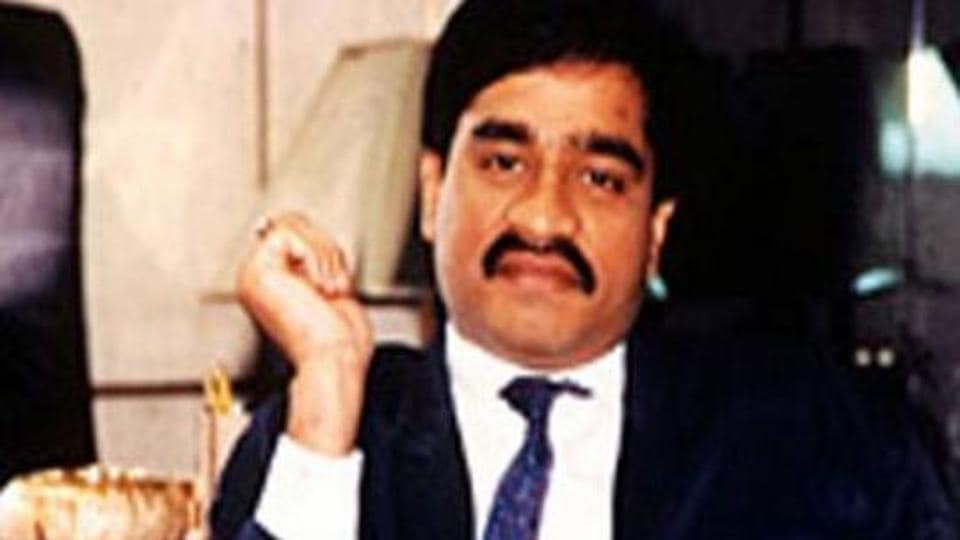
Pakistan has submitted a detailed reply to the body which was set up to counterterror financing and money laundering, on Tuesday, claiming it has now successfully implemented 14 of the 27 action points laid down by FATF, and that it has partly implemented 11 more, but senior officials familiar with the country’s submission say that its report does not mention Ibrahim, who, according to the UN, has links to al Qaeda.
“There is no reference to Dawood anywhere in Pakistan’s reply to FATF as it tries to get out of the grey list with the help of China,” said one of the officials who asked not to be identified. A decision by FATF is expected on Friday.
While India and the US have raised the Dawood issue at the Asia-Pacific joint group meetings, Islamabad has consistently denied the presence of the terrorist and mafia don on its soil, and asserts that he is not a Pakistani national.
However, the UN and the Office of Foreign Assets Control of the US treasury department list Karachi as the residence of Dawood, who has a US bounty on his head.
In March 2010, the 1267 Committee (aka the al Qaeda Sanctions Committee) listed four addresses for Ibrahim in a statement: “a) Karachi/Pakistan, White House, Near Saudi Mosque, Clifton b) House Nu 37 - 30th Street - defence, Housing Authority Karachi Pakistan c) Palatial bungalow in the hilly area of Noorabad in Karachi d) Property at Margalla Raod F 6/2 Street no. 22, House number 29 in Karachi.”
According to counterterror operatives based in New Delhi and Mumbai, Dawood is living in Karachi under the protection of the state, has three-bullet proof cars in his convoy, and often travels to Islamabad.
The UN statement also lists his latest passport as being issued in Rwalpindi, the twin city of Islamabad where the army headquarters are based. He used to carry Indian and UAE passports in the 1980s and early 1990s. The UN documents are in the public domain. Before the aborted meeting between national security adviser Ajit Doval and his then Pakistani counterpart Sartaz Aziz in August 2015, India also shared with Pakistan a dossier which proved Ibrahim’s presence in Karachi.
The dossier included a telephone bill in the name of Ibrahim’s wife Mejabeen Sheikh. The Indian dossier, details of which were published in HT on August 22, 2015, gave details of flight movement of Dawood’s family and his Mumbai associates Tiger Memon and Javed Patel.
NSA Doval reiterated the Indian demand that Islamabad should not give shelter to Indian terrorists to his Pakistani counterpart Naseer Janjua in the December 2017 meeting in Novotel Hotel, Thailand. But despite the dossier, and the UN’s documents, Pakistan insists Ibrahim is not on its soil — as evident once again in its submissions to FATF.


