
 E-Paper



Paparao, Bastar's last active senior Maoist leader, surrenders in Chhattisgarh's Bijapur: Police
Paparao was a member of the Dandakaranya Special Zonal Committee (DKSZC) and was in charge of the South Sub Zonal Bureau

 Prefer HTon Google


Senior Maoist leader Paparao, the last active senior commander in the Bastar region, has come forward to surrender along with 17 other cadres in Bijapur district, the Chhattisgarh police said on Tuesday.
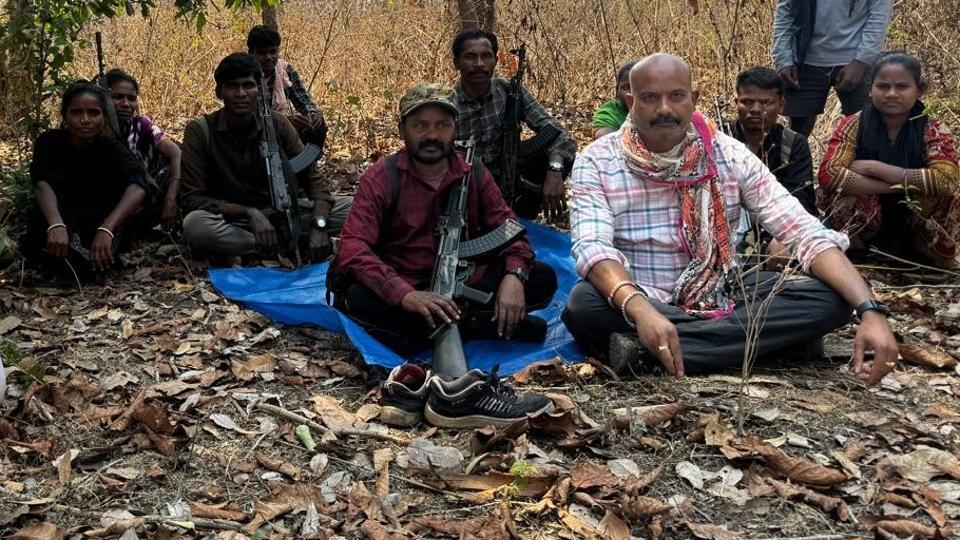
Paparao was a member of the Dandakaranya Special Zonal Committee (DKSZC) and was in charge of the South Sub Zonal Bureau. He carries a reward of ₹25 lakh.
ALSO READ | Odisha: Maoist commander with a bounty of ₹55 lakh surrenders
Among the 18 Maoists who surrendered are divisional committee members Prakash Madvi and Anil Tati.
A statement by Bastar police said the 18 Maoists had agreed to shun violence and join the mainstream in a “decisive breakthrough” in the ongoing efforts to eliminate Maoists from the region.
Police said the development was evidence that the goal of a Naxal-free Bastar was steadily becoming a reality, adding that this is the first time in the history of the Maoist movement in the Dandakaranya region that the organisation was left without an effective leadership.
“This marks a decisive success in our sustained efforts to end Left Wing Extremism in the region,” the statement said.
Officials said it was hoped that the remaining cadres, operating in small, scattered groups, would also surrender.
The formal reintegration process of the surrendered cadres will be carried out subsequently.
-kW0H-U20214218012MgB-250x250%40HT-Web.jpg)


