E-Paper



Parliamentary panel for ramping up manpower and funding for MEA
The parliamentary committee said the number of IFS “A” officers was far too low to represent the country’s interests at the headquarters and at foreign missions

 Prefer HTon Google


NEW DELHI: The government should take steps to ramp up both the manpower of India’s diplomatic service and funding for the external affairs ministry in line with the country’s ambition of playing a bigger role on the global stage, a parliamentary panel has said.
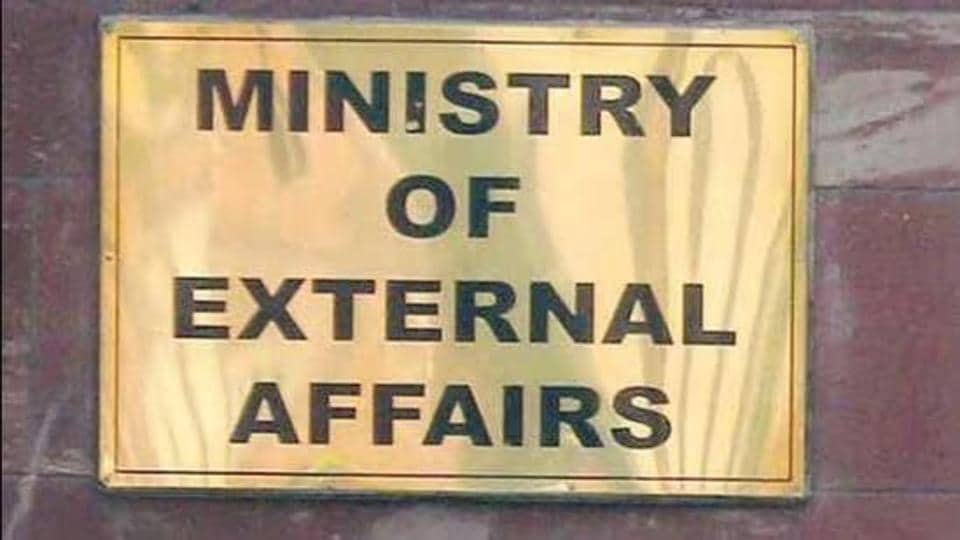
The parliamentary committee on external affairs said in a new report that the country’s diplomatic service is “most short-staffed” when compared to many other nations whose economy and stature were lower than that of India, with 1,011 Indian Foreign Service (IFS) officers accounting for only 22.5% of the foreign ministry’s total strength of 4,888.
Despite the “challenging mandate” of making India a “leading power and influential entity” on the world stage, the foreign ministry “remains one amongst the least funded central ministries” and its actual annual spending has hovered around 0.4% of the total budgetary allocation of the government since 2020-21, the report said.
The ministry’s total strength includes different cadres, such as the IFS, IFS general cadre, Branch B, stenographers’ cadre, interpreters’ cadre and legal and treaties cadre. From the IFS “A” cadre, 667 officers are posted at missions abroad and 334 are at the headquarters in New Delhi.
The parliamentary committee said the number of IFS “A” officers was far too low to represent the country’s interests at the headquarters and at foreign missions, and it is imperative to increase the strength commensurate with India’s expanding international stakes and the changes in foreign policy.
“With the felt need of having missions in all the UN member countries, there is an increased requirement of manpower in the diplomatic cadre. The Committee, therefore, desire that the ministry should get their cadre review done at the earliest to build capabilities for shouldering the expanded mandate while enriching the capacity of its existing personnel,” the panel recommended.
Such a review should be based on a comparative analysis of the strength of the diplomatic corps of China, major developing countries and countries in the neighbourhood, it said.
The panel noted that the foreign ministry had a 0.64% share of the government’s total budget in 2019-20. Despite the committee’s recommendation that the allocation should be at least 1% of the overall budget in view of India holding the G20 presidency, the allocation in 2023-24 dropped by 0.04% from 0.44% in 2022-23.
“Keeping in view the magnitude and extent of India’s diplomatic outreach and foreign policy objectives, the committee continues to feel that an allocation of at least 1% out of the overall budget of the GoI to the ministry is reasonable and achievable,” the report said.
The panel also urged the foreign ministry to frame a roadmap for enhancing its capacities and capabilities, including a structural change or a complete revamp of its organisational structure.