E-Paper



Pay ₹10 lakh to families of 2 girls who died at aaganwadi centre: HC to Odisha
Two four-year-old girls playing at an anganwadi centre in Odisha were found dead in a pit excavated to build additional classrooms in 2012.


BHUBANESWAR: More than nine years after two 4-year-old girls playing at an anganwadi centre drowned in a pit, the Orissa high court has ordered the government to pay ₹10 lakh each to the parents of the children ruling that their death was a violation of the constitutional right to life of the two young children.
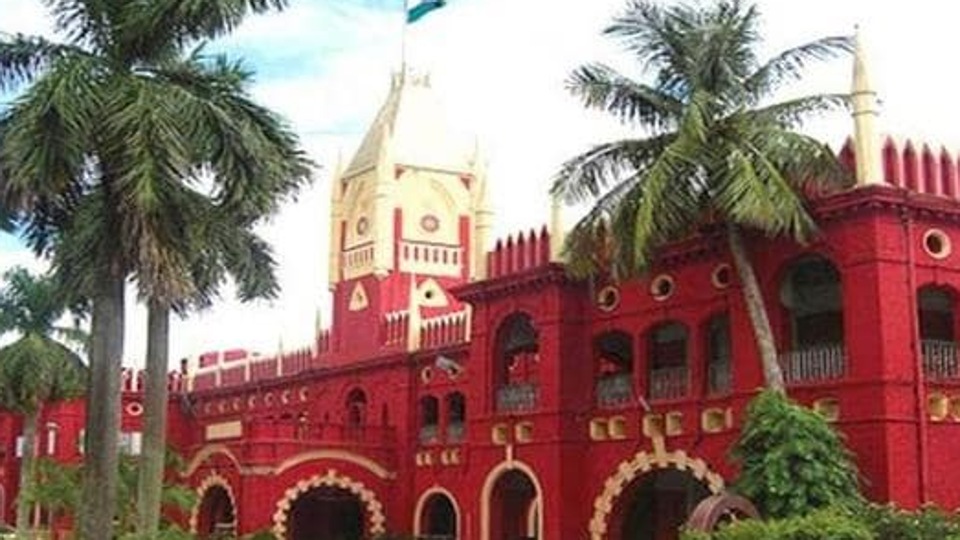
Asking the state government to pay the compensation within a month, the bench of chief justice S Muralidhar and justice BP Routray said death of two little children was entirely avoidable and would not have occurred if barricades had been erected around the excavated pits where the two kids drowned.
On September 7, 2012, bodies of Monalisa Naik, the daughter of Jambeswar Naik and Priyanka Das, daughter of Pitabas Das, were found in the waterlogged pits excavated in the anganwadi centre operating in the premises of Tentulihata Project upper primary school under Banarpal Block of Angul district. Both the girls fell in the 4.5 feet deep pit that was dug for construction of additional classrooms.
Their parents approached the high court seeking action to fix responsibility on those responsible for the death of their children as well as compensation.
The high court said the photographs proved that that the rainwater filled pits were left unguarded with no warning sign anywhere.
“With there being no barricades, no warning boards or signs, there is no way the two young children would have known that there were water filled pits, of 4 ½ feet which they had to avoid stepping into. The lack of barricading of the pits or any warning sign appears to be the reason why they met with a tragic death. There can be no doubt therefore that there was gross negligence on the part of the school management and the district administration in not barricading these pits. There was a complete absence of any standard of care or even anticipation of the likely danger posed by an unguarded excavated pit 4 ½ feet of depth,” the court said.
The court said the State has to “endeavour to provide early childhood care and education for all children until they complete the age of six years” and a safe and secure environment should have been provided even to children attending anganwadi centres.
It also asked all district collectors to ensure strict compliance with the Supreme Court’s 2009 guidelines for prevention of fatal accidents involving children. The guidelines were issued after a 6-year-old child, Prince, was stuck in a 60-feet borewell in Haryana’s Kurukshetra district. Prince was rescued after a 50-hour-long operation by National Disaster Response Force and army.