
 E-Paper



Pilots’ body moves Delhi HC against DGCA’s FDTL exemptions
The Indian Pilots Guild moved the Delhi HC seeking initiation of contempt proceedings against the DGCA and the govt for granting exemptions to airline operators

 Prefer HTon Google


New Delhi The Indian Pilots Guild (IPG), a union of Air India pilots deployed on wide-bodied aircraft (Boeing 777 and 787), has moved the Delhi high court seeking initiation of contempt proceedings against the Director General of Civil Aviation (DGCA) and the Union government for granting exemptions to airline operators, including Air India, from implementing the new Flight Duty Time Limitation (FDTL) norms.
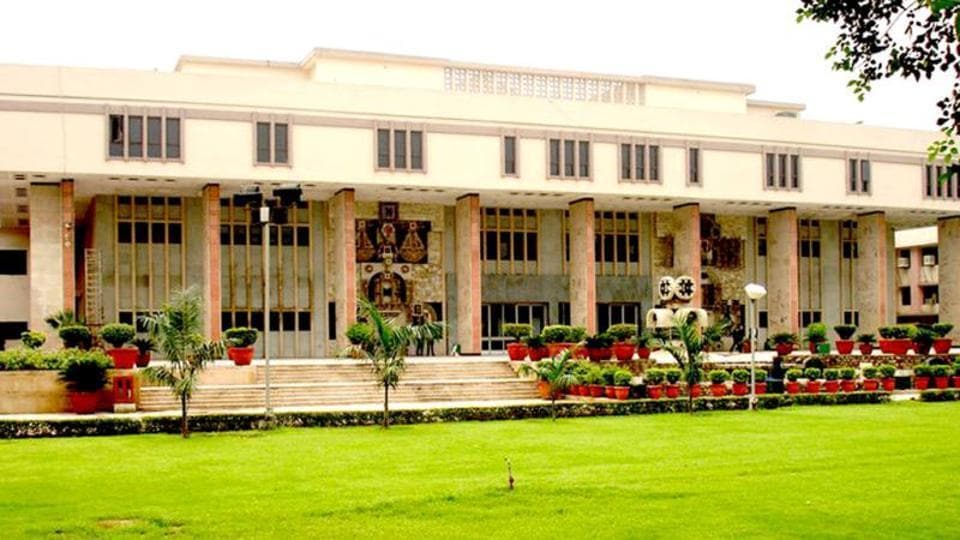
In its petition, filed through advocates Prerna Kohli and Neetika Bajaj, the IPG has asserted that the DGCA allegedly failed to comply with the undertakings given to the court in February and April.
In February, DGCA informed the high court that the FDTL norms would be implemented in two phases. Of the 22 proposed clauses, 15, including increasing pilots’ weekly rest from 36 to 48 hours, were scheduled to take effect from July 1. The remaining seven clauses, including the revised definition of night duty, were to be implemented as of November 1. The changes deferred to November proposed classifying duty periods between midnight and 6 a.m. as night duty, instead of the current midnight to 5 am window.
In April, the high court closed petitions by FIP and other pilot unions challenging the DGCA’s 2019 rest-period norms after the regulator undertook to implement the new rules in phases.
In its petition, IPG has asserted that DGCA, despite its undertaking, without obtaining the court’s permission or re-engaging with the pilots’ bodies, was granting exemptions, relaxations from implementing the norms that were to take effect on November 1 and approving airline-specific FTDL scheme. The petition filed through Zeus Law Associates added that the regulator had knowingly approved airline FDTL schemes that were inconsistent with the framework the DGCA itself had submitted to the court in its affidavit.
“The FDTL CAR was meant to address fatigue management of the flying crew; however, the DGCA, by granting variations, exemptions and relaxations to the airlines, have defied the undertaking and directions of this Hon’ble court and also jeopardises the flight and passenger safety,” the petition stated.
Highlighting some of the exemptions granted to Air India, the petition said the FDTL norms mandate the airlines to have maximum number of two landings for operations encroaching night duty with maximum flight duty of 10 hours and maximum flight time of eight hours. As per the variation, in case of flight delay, the last sector originally scheduled to complete before 2359 hours now completes between 0000-0159 hours, the crew may operate that sector to complete the flight. Additionally, when the flight duty begins between 0501- 0600 hours, the crew may operate up to three landings.
The petition has been filed days after the Federation of Indian Pilots (FIP) moved the high court seeking initiation of contempt proceedings against DGCA for granting the exemptions, and at a time when four Flight Operations Inspectors (FOIs) were sacked from their post at the DGCA amid the ongoing IndiGo flight cancellations crisis.
On December 5, amid massive flight cancellations, the aviation regulator granted IndiGo a temporary one-time exemption from some night operations-related changes in the new FDTL norms for its Airbus A320 pilots.
Though FIP’s matter was listed before a bench of justice Amit Sharma on Monday, the same was adjourned for Tuesday after FIP’s lawyer submitted that there was a likelihood for IPG’s petition to be listed tomorrow. Previously, the high court, while hearing FIP’s petition on November 18, had said that it was not prima facie convinced to initiate contempt proceedings against DGCA for granting exemptions, and the regulator’s actions could form the basis of a separate challenge, but not necessarily contempt.


