
 E-Paper



PLA reluctant to restore April 2020 status at Gogra, post-US Kabul a new theatre
The Chinese army wants India to recognise its new positions along the Ladakh LAC beyond patrolling point 15 and 17A and is very reluctant to go back to its dug-outs before April 2020.

 Prefer HTon Google


The 11th round of India-China military talks on disengagement and de-escalation from Gogra-Hot Springs area of East Ladakh did not yield the required result with the People’s Liberation Army (PLA) reluctant to restore April 2020 status quo along the 1597-km Line of Actual Control (LAC) in the western sector.
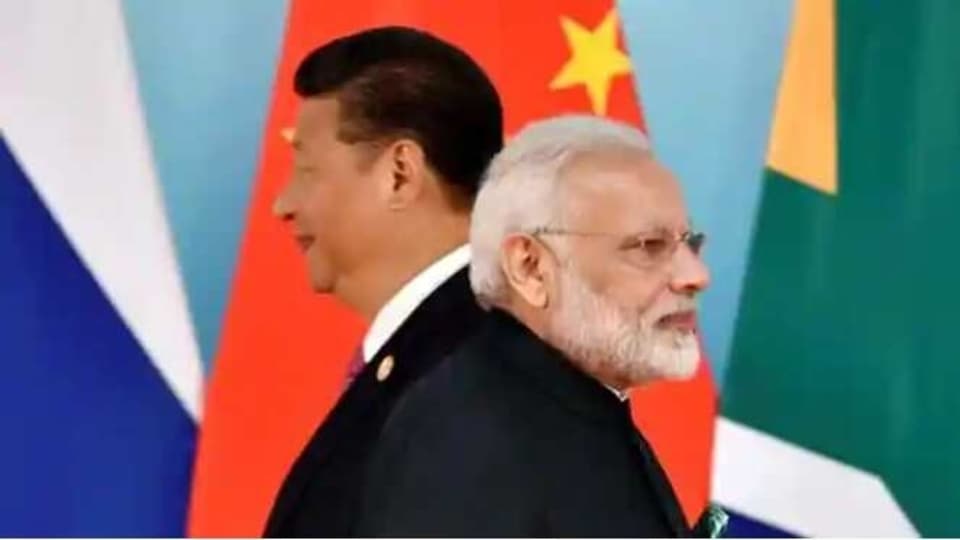
While the Indian Army in a statement after April 9 dialogue called for completion of disengagement at all friction points to set the stage for de-escalation, it is evident from the meeting that more rounds of dialogue would be required to achieve the desired objective. “The PLA stopped short of restoring April 2020 status quo ante at Gogra-Hot Springs area and have submitted certain proposals from their side for consideration of the Indian Army. The complete disengagement in this area will take time and more persuasion,” said a senior official.
Diplomatese aside, the PLA clearly wants that Indian Army recognise its new positions along the Ladakh LAC beyond patrolling point 15 and 17A and is very reluctant to go back to its dug-outs before April 2020. “There are some 60 Chinese troops ahead of its April 2020 positions in the Gogra-Hot Springs area and disengagement remains incomplete till status quo ante is restored. Once this step is completed, the next step would be to address the patrolling rights of Indian Army in Depsang Bulge, a 2013 legacy issue,” said another official.
Although External Affairs Minister Subrahmanyam Jaishankar has defined India as an enlightened power with strategic domain way beyond Malacca Straits and Gulf of Aden, China is expected to continue in Middle-Kingdom mindset of 18th century now that US is withdrawing from Afghanistan by September 11, 2021.
India has made it amply clear that it will not allow China or any power to exercise veto over its foreign policy or get beaten by Cold War phraseologies for being a leading partner in QUAD security grouping and a very close ally of France. The Modi government is, however, aware that withdrawal of US from Afghanistan will mean that China will exercise influence in the Islamic Republic through its client state Pakistan and its proxy, the Taliban. The issue has got further complicated with Russia and Iran also being close partners of rising China resulting in weak opposition to so-called Islamic Emirate of Afghanistan on the ground. This will allow ultra-conservative Taliban to take over Afghanistan and also give much needed strategic depth to Pakistan and allow China to expand its Belt and Road Initiative all the way up to Iran via Kabul. In short, Islamic radicalisation will further increase in Afghanistan and China will expand its area of influence to West Asia and Africa.


