
Sign in

PM Modi's January visit to UAE postponed amid Omicron concerns

According to South Block sources, PM Modi's visit to the UAE and Kuwait will have to be rescheduled due to the rising number of Omicron cases and could possible be held in February.

Published on: Dec 29, 2021, 14:44:01 IST
By , Hindustan Times, New Delhi
Share
Share via
  • facebook
  • twitter
  • linkedin
  • whatsapp
Copy link
  • copy link

Prime Minister Narendra Modi’s visit to UAE and Kuwait has been postponed amid Omicron concerns. The scheduled visit was on January 6.
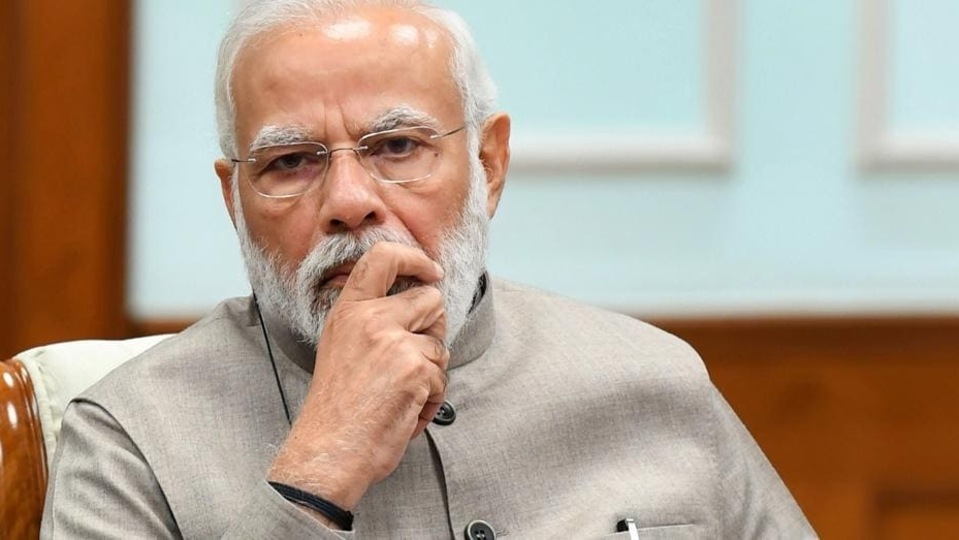
Prime Minister Narendra Modi was scheduled to visit the UAE in January.  (PTI File Photo)

According to South Block sources, the visit will have to be rescheduled due to the rising number of Omicron cases and could possible be held in February.

The Omicron variant of coronavirus has been raging across the globe, severely affecting the United States and Europe. In the US, Omicron is now the dominant virus replacing Delta. In the UK, Covid-19 cases have been breaking records daily due to the fast spread of Omicron.

In India, the situation is so far under control, with nearly 800 cases reported since the discovery of Omicron in South Africa on November 24.

The UAE, a federation of seven emirates, on Monday reported 1,732 new coronavirus cases and one death.

Abu Dhabi has tightened requirements to enter the country following the rapid spread of Covid-19 there.

Vaccinated individuals will require a green status on their mobile-phone health app, while those who aren’t inoculated will need a negative PCR test to enter the emirate from December 30, according to Abu Dhabi’s Emergency, Crisis and Disasters Committee.

Till now, the UAE has reported 755,000 cases and 2,160 deaths due to the coronavirus disease. The active cases stand at 10,186.

  • Shishir Gupta
    ABOUT THE AUTHOR
    Shishir Gupta

    Shishir Gupta is Executive Editor at Hindustan Times and one of India's top journalists covering national security, strategic affairs, foreign policy and geopolitics. Over the past three decades, he has extensively reported on India's military, diplomatic and security landscape, covering every major conflict and national security challenge, from the 1999 Kargil War and the 2020 East Ladakh standoff to Operation Sindoor in 2025. He has also covered major terror attacks, including the IC-814 hijacking, the 26/11 Mumbai attacks and the 2025 Pahalgam terror strike, along with numerous Pakistan-backed terrorist incidents in the Kashmir Valley and across India. He has reported on national and state elections for more than three decades. A recognised authority on strategic affairs, Gupta has covered India's nuclear programme since the Pokhran-II (Shakti series) tests in May 1998 and has written extensively on global nuclear issues, Indian diplomacy and the country's expanding global outreach. He has also reported widely on international conflicts and terrorism, with a special focus on the Indian subcontinent. Gupta has interviewed Prime Minister Narendra Modi more than four times, including Modi's first interview with the print media after becoming Prime Minister in May 2014. His other interviews include three with the Dalai Lama, as well as conversations with Benjamin Netanyahu, Amit Shah, Yogi Adityanath, S. Jaishankar, Nirmala Sitharaman and Piyush Goyal. He is the author of Indian Mujahideen: The Enemy Within (Hachette, 2011) and Himalayan Face-off: Chinese Assertion and Indian Riposte (Hachette, 2014). He was awarded the Chevening-Wolfson Joint Scholarship at Wolfson College, University of Cambridge, UK, in 1998 and participated in the International Visitor Leadership Program (IVLP) of the US State Department in 2006. He received the Ben Gurion Prize from Israel in 2011 and the K. Subrahmanyam Prize for Strategic Studies in 2015 from the Manohar Parrikar Institute for Defence Studies and Analyses (MP-IDSA). Since 2024, he has hosted Point Blank, Hindustan Times' weekly YouTube show on global geopolitics.Read More