E-Paper



Post women’s reservation controversy, Nagaland to amend Municipal Act
The state had called off civic polls after tribal groups protested against women’s reservation.


The Nagaland government is mulling amending the Nagaland Municipal Act (NMA) to enable holding elections to civic bodies more than four months after polls were called off after violent opposition by tribal organisations to women’s reservation.
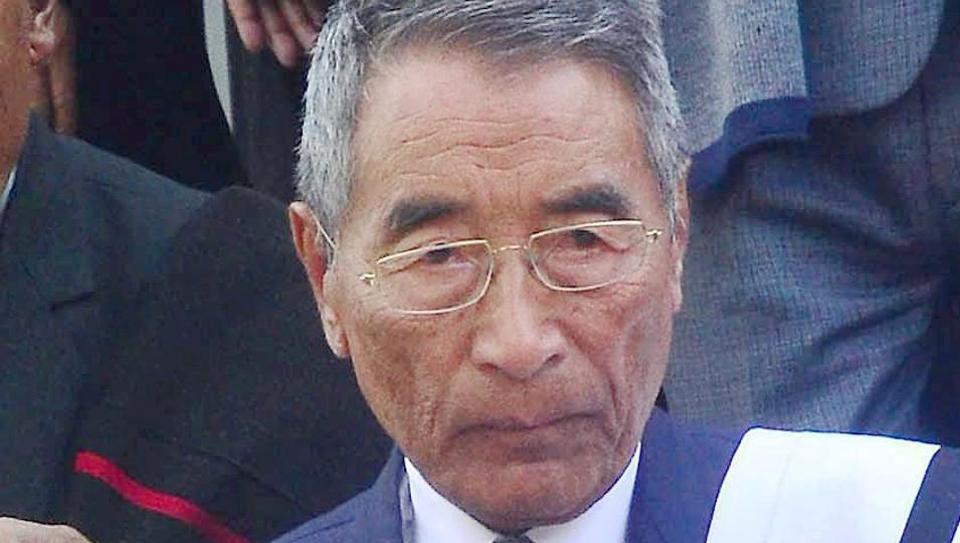
Chief minister Shurhozelie Liezietsu said on Thursday that since the state cannot be exempted or escape holding civic polls without women’s reservation, the existing NMA needed to be amended.
A statement issued by the CM’s media cell did not clarify what amendments will be introduced to the NMA so that the influential tribal bodies in the state agree to allow hold the polls with reservation for women.
Liezietsu’s statement comes a day after the central executive council of the ruling Naga People’s Front (NPF), of which the CM is the president, adopted a resolution urging the state government to solicit views of legal experts, tribal bodies and NGOs on the NMA.
The resolution had suggested setting up of advisory committees in all civic bodies to ensure administration of municipal activities was handled by local leaders properly.
The chief minister was speaking at the foundation stone laying ceremony of the new Kohima Municipal Council (KMC) building. The old building and nearly two dozen other government offices were burnt down on February 1 by groups opposed to holding of civic polls with seats reserved for women.
The state government’s decision to hold elections on February 1 had resulted in violence spilling out onto the streets. Two youths were killed in police firing in Dimapur on January 31 followed by arson in Kohima a day later.
The developments led the state government to call off the civic polls and, bowing to demands by the tribal bodies, Liezietsu’s predecessor TR Zeliang had to step down from office.
Naga tribal bodies feel allowing reservation for women in civic bodies will infringe on their customary laws and also violate Article 371A of the Constitution, which grants special status to Nagaland for protection of such laws.
Over the decades, 13 women have unsuccessfully contested the polls but the state has never elected a woman legislator since gaining statehood in 1963.