
 E-Paper



Ram Nath Kovind flags tech, climate changes as new human rights challenges
Former President Kovind highlights human rights challenges for informal workers and climate-displaced individuals, advocating for dignity, mental health, and prison reform.

 Prefer HTon Google


Rapid technological and environmental changes are leading to fresh human rights challenges, particularly for workers in the informal sector and those facing climate-induced displacement, former President Ram Nath Kovind said on Thursday.
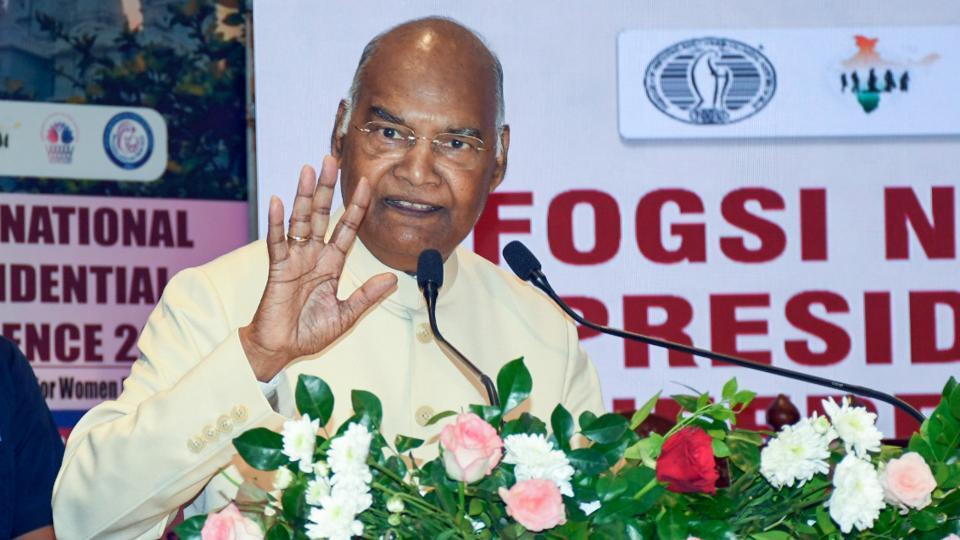
Speaking on the 32nd foundation day of the National Human Rights Commission (NHRC) in New Delhi, Kovind stressed that while India has made progress, emerging vulnerabilities require urgent and collective attention.
“Too often, informal sector workers endure unsafe working conditions, irregular incomes and the absence of social protection,” he warned, adding that economic progress must not come at the cost of human dignity.
Kovind advocated for the protection of basic human rights for migrants and displaced persons, and supported the NHRC’s efforts to ensure access to fundamental human rights regardless of proper documentation.
“Migration and displacement, whether caused by conflict, natural disasters, or economic distress, raise profound questions of human dignity. Every person, regardless of status, deserves identity, security, and access to essential services. I am happy to note that NHRC has consistently urged authorities to ensure that no person is denied basic rights due to a lack of documentation,” he said.
The former President expressed concern about climate change, which he labelled a “human rights imperative”, and the profound questions of dignity raised by migration and displacement. He also strongly advocated for mental health to be recognised as a fundamental human right, calling for an end to the associated stigma. “NHRC advisories on accessible and community-based mental health care are vital steps forward in this direction,” he added.
The event coincided with a National Conference on the Human Rights of Prison Inmates, a subject Kovind called a “true test of a society’s values”. He condemned the custodial abuse, stating, “Any form of violence or inhumane treatment to persons in custody is against our constitutional and moral values.”
He urged prison officials to transform institutions from mere places of confinement into “spaces of reform, rehabilitation and hope”, with the ultimate goal of reintegrating inmates into society as responsible citizens.
“It is the sacred duty of prison authorities to ensure that every inmate is treated with the basic courtesies owed to every human being,” he said.
He concluded by linking basic government services, like providing clean water and toilets, to the affirmation of human dignity, particularly for women and girls.


