
 E-Paper



Ramzan special: Your guide to sumptuous delights across India


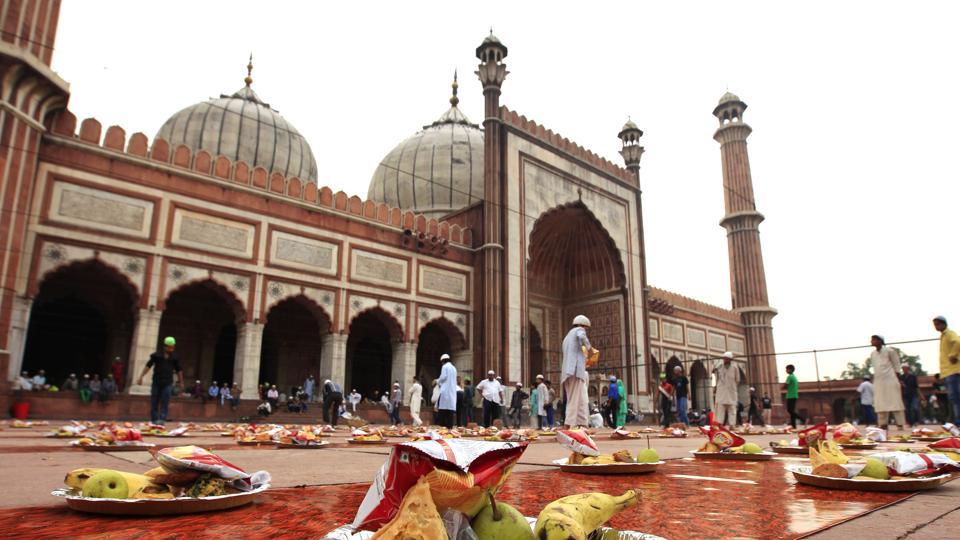
HT’s selection of sumptuous delights from different states, some of which are prepared in restaurants and homes exclusively in this month of fasting.
The month of Ramzan has begun. It is as much about eating as it is about fasting. Sehri (a pre-dawn meal) and iftar (an evening meal to break the fast) are the two meals every day during this holy month when Muslim families across India relish delicacies, some of which are especially made during Ramzan.
The idea of the sehri meal is to eat food that is high in protein, is easily digestible and does not leave you thirsty for the rest of the day. Khajla (a kind of pancake) and pheni (a vermicelli dish) are integral to this meal in North India. Bakeries in Muslim localities make special breads during Ramzan, to be eaten with milk for sehri. Big bowls containing salan (non-veg curry) with pieces of chapatti mixed in it are part of the pre-dawn meal of Muslim families in Delhi and Lucknow.
The iftar meal is the one to which believers look forward; preparing which women in the families spend their afternoons. Except dates which find a mention in Islamic history (it is believed that prophet Mohammad used to break his fast with dates) and are common in iftar meals across the world, rest of the delicacies eaten for sehri and iftar are influenced by a given region or state’s history, culture and cuisine (read the accompanying stories).
Fruits and smoothies such as Baebri Boel (a popular drink in Kashmir) are consumed primarily for their nutritional value while snacks such as
unnakaya (Kerala), haleem (Hyderabad) and bhajiya (Kolkata) reflect the Indian fondness for all things spicy.
HYDERABAD: HALEEM
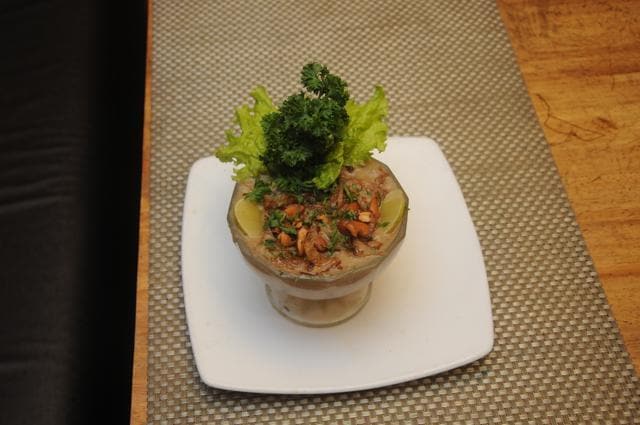
The one festival that Hyderabadis across faiths wait for is Ramzan. This is the only time when they get an opportunity to relish their favourite local food item — Haleem.
Haleem, made of meat, wheat, dry fruits and spices, is now incredibly popular because Hyderabad haleem, was given the Geographical Indication certification in August 2010.
After fasting throughout the day, Muslim families look forward to having haleem for dinner.
Hyderabadi haleem is made of meat – preferably that of goat or sheep and pounded wheat (not exactly atta) The two are then cooked together in pure ghee.
The meat and wheat mixture along with spices are cooked in a bhatti (a cauldron made of iron and inserted in a kiln made of brick and mud) on a low flame, with cooks stirring the mixture continuously using wooden paddles or sticks for 10-12 hours.
It is garnished with fried onion, coriander and slices of lemon. Occasionally, boiled eggs are also served with haleem.
It is believed that haleem originated in Iran, but became popular in Hyderabad during the reign of the Asaf Jahis or Nizams in the 18th century. Since then, it has gained prominence in the Deccan.
According to Ifteqar, a steward at a popular Irani restaurant at Mehdipatnam, haleem is not only tasty, but also highly nutritious. “It has carbohydrates in the form of wheat, proteins in the form of meat besides spices, which are good sources of minerals and vitamins. At the same time, it is very soft on the stomach because of prolonged cooking,” he said. For vegetarians, there is vegetarian Haleem. The ingredients and recipe remain the same minus meat. — (By Srinivasa Rao Apparasu)
MUMBAI: BAARAH HANDI
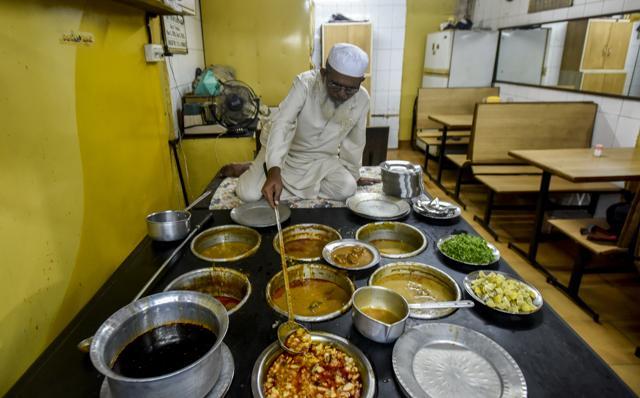
Rohit Khanvilkar, 36, travels 40 km every year for seven plates of meat he’s not likely to find anywhere else. The pharmaceutical engineer makes his pilgrimage from Kharghar, Navi Mumbai, where he lives and braves train crowds and angry traffic to get to Surti 12 Handi, in Bori Mohalla close to Mohammad Ali Road. The 80-year-old eatery is open all year round but sees the biggest crowds in the 30 days leading up to Ramzan Eid.
It’s the home of the original baraah handi, a banquet of seven dishes that is slow-cooked for 10 hours with spices on sunken granite until the meat is rendered soft and succulent.
“I’ve come here during the rains, after 12-hour shifts, and once, right after a break-up,” says Khanvilkar. “It’s worth the trek. You won’t find food this comforting and people this generous,” he says, gesturing to .proprietor Gulam Mustafa Hafiz Ismail Surti.
Ismail, 68, has been working at Surti 12 Handi for 52 years. If it weren’t for his weak knees, he’d still be at the counter cooking from scratch, he says.
There have been several baraah handi knock-offs over the years – some on Mohammed Ali Road, some as far away as Jogeshwari in the western suburbs.
You won’t find this taste anywhere else. Not outside Bohri Mohalla, and definitely not outside Bombay,” says Ismail. — (By Roshni Nair)
KOZHIKODE: UNNAKAYA
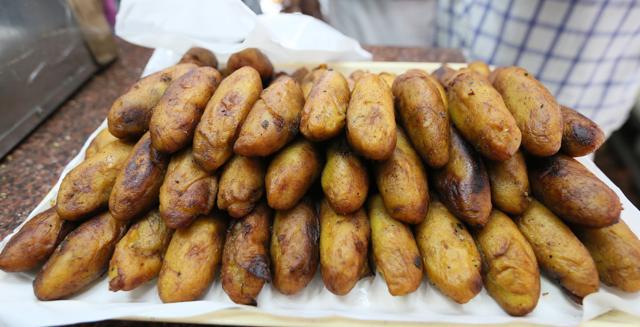
Visit any corner of Kerala during the holy month of Ramzan and you will be struck by the mouth-watering aroma of spices, ghee and coconut oil that wafts through the air. Unnakaya — a sweet dish made of banana and grated coconut — is a part of Kerala’s iftar platter. Some prefer having the rich sweet as a dessert after the main course, which usually comprises biryani, a dish of rice and slow-cooked meat.
Banana, the main ingredient in this delicacy, is a good source of vitamin C and potassium. It helps the body fight infectious agents; controls heart rate and blood pressure; and coconut is high in dietary fibre and improves digestion. Unnakaya is more popular in northern Kerala than other parts of the state.
Depending on the availability of time and ingredients, some people prepare fresh Unnakaya minutes before sunset, the time at which Muslims break their fast. Those who cannot, especially office-goers, are often buy it from eateries.
Recipe:
Steam the banana in a pressure cooker with the peel. Remove the peel after steaming.
Heat a pan. Add a little sugar to water and boil it. Add grated coconut and stir. Add cardamom, raisin and stir. Set aside.
Grate the steamed banana. Once it becomes a paste, shape the paste into small balls. Smear your palm with coconut oil and stuff the coconut-sugar mix into the balls, wrapping banana paste around the filling. Keep wrapping and shapinfg until you are left with the shape of a spindle.
Put oil in a pan and heat it. Fry the spindle-shaped banana fillings. Once it turns golden brown, it’s ready to be served. —(By Ramesh Babu)
SRINAGAR: KAND SHARBAT

Kand Sharbat or Baebri Boel Sharbat is a popular sweet beverage in Kashmir. Basil seeds are the main ingredient. It is found in every Kashmiri household’s iftar meal. Grandmothers say it gives an instant sugar high but is also loaded with the goodness of milk and dry fruits — a must after fasting for 15 hours. Legend has it that the drink was introduced by the Mughals; it has been relished by Kashmiris for centuries. Besides acting as a coolant, the seeds are beneficial for those diagnosed with Type 2 Diabetes because they help regulate blood sugar. Drinking milk with basil seeds before going to bed is also good for constipation.
Recipe:
Soak the babri beoul seeds in water for one day or 3-4 hours; until the seeds swell.
Add milk, cardamons and dry coconut.
Add sugar according to taste.
Stir the mixture. Pour in glasses.
Some people add strands of saffron for garnishing-Keep refrigerated in hot climate.
—(By Taufiq Rashid)
KOLKATA: BHAJIYA
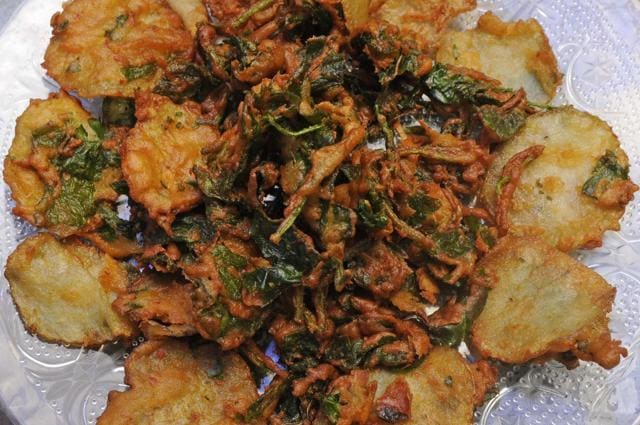
Every Ramzan, the number of customers at Haji Alauddin Sweet in central Kolkata’s Phears Lane increases manifold.
The sweet shop was founded in 1904 by Haji Alauddin after whom it is named.
The special bhajiya, a deep fried potato- spinach snack, sold at Haji Alaunddin’s is much sought after in th Muslim pockets of the state for the iftar platter.
Although exorbitantly priced at ~440 a kilogram because of the ghee in it, the store runs out of its stock of bhajiya within an hour of sunset.
“We make this product only in Ramzan because it is quite costly,” said Izaz Ahmed, one of the shops owners. “Secondly, it will not remain a special attraction if we sell it throughout the year.” —(By Sumanta Ray Chaudhuri)
KANPUR: PAYE KI NIHARI
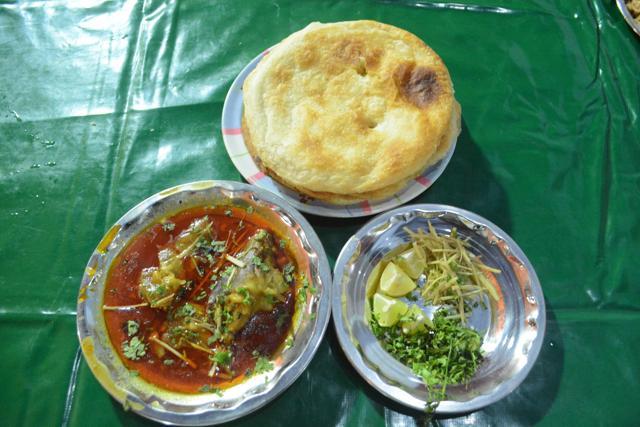
Every year during Ramzan, a mouth-watering treat is added to the dining platters of people who restrain from eating from dawn to dusk — Paye (trotters) ki nihari.
Special shops are set up through the month to serve the thick, brown, heavy on spices, gravy with pieces of tender meat, garnished with ginger, fresh coriander and lime juice, all in one plate; and ghilafi kulcha, a special layered bread, in another.
People eat nihari both as a sehri meal and also as dinner.
“You cannot imagine Ramzan in Kanpur without the paye ki nihari. The delicacy is unique to this month,” says Noor Mohammad, owner of Wali Mohammad’s biryani and nihari eatery.
His shop in busy Colonelgunj caters to no less than 1000 people every night.
Legend has it that the royal chefs who came with the Nawabs from Lucknow brought this recipe with them. Noor Mohammad, whose grand father began selling it 80 years ago, says that even then people ate it for sehri because of its high nutritional value. —(By Haidar naqvi)
BHOPAL: NUKTI KHAARE
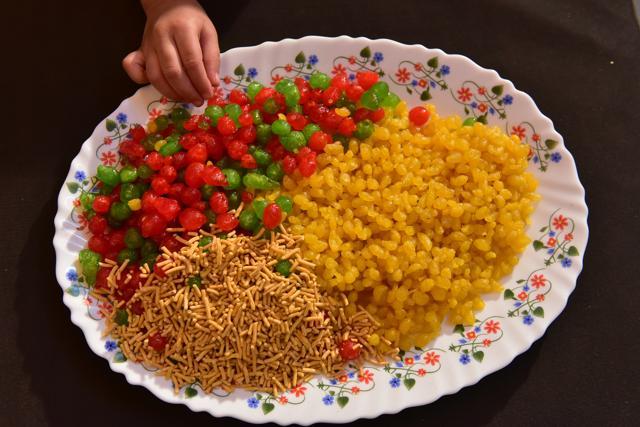
Nukti Khaare, a Ramzan dish that is common across Bhopal, is, in fact, a combination of three snacks: Nukti, a yellow sweet made of gram flour; anardaana, made of slit black gram; and khaarey, which is essentially, sev, crunchy noodles made from chickpea flour paste.
While the yellow nukti, also known as nukti daana is found in northern India, the addition of anardaana is unique to Bhopal.
The Nukti is typically eaten with Khaare or sev, which is salty.
Nukti and khaare are sold separately. They are mixed together before eating. The result, a sweet and salty snack, is a staple iftar dish in many families. —(By Punya Priya Mitra)


