
 E-Paper



RBI increases UPI Lite wallet limit to ₹5,000, transaction cap to ₹1,000
Currently, the upper limit of an offline payment transaction is ₹500 and the total limit for offline transactions on a payment instrument is ₹2,000.

 Prefer HTon Google


The Reserve Bank of India (RBI) on Wednesday increased the UPI Lite wallet limit to ₹5,000 and per-transaction limit to ₹1,000.
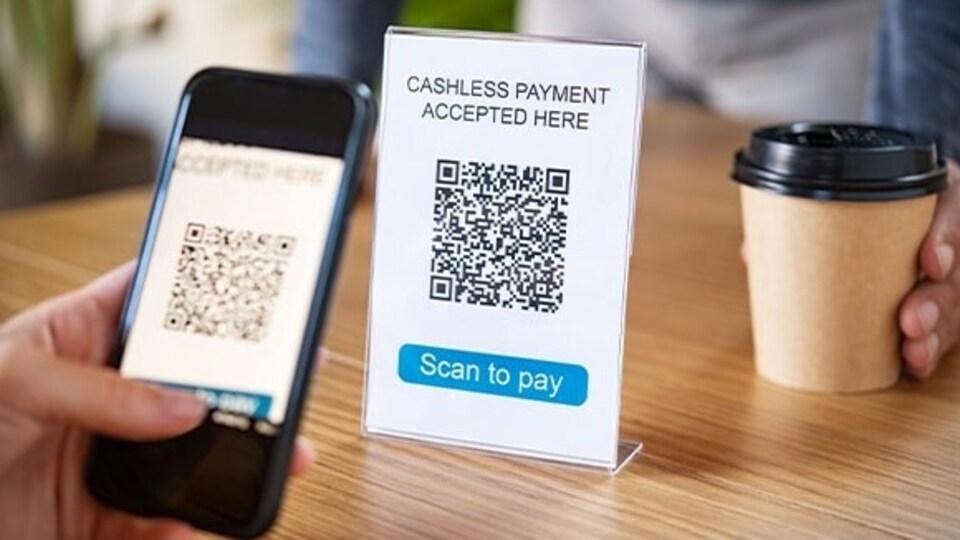
This is being done in order to encourage wider adoption of the popular instant payment system through mobile phones.
Currently, the upper limit of an offline payment transaction is ₹500 and the total limit for offline transactions on a payment instrument is ₹2,000 at any point in time.
The Reserve Bank on Wednesday amended the 'offline framework' issued in January 2022 with an aim at facilitating small value digital payments in offline mode.
"...the enhanced limits for UPI Lite shall be ₹1,000 per transaction, with ₹5,000 being the total limit at any point in time," said a Reserve Bank circular, PTI reported.
An announcement in this regard was made by the central bank in October this year.
So effectively, it means that a customer might keep Rs. 5000 in their UPI Lite wallet at any given time. And they can now pay upto Rs. 1000 from that wallet, without using their UPI pin or authentication.
What is UPI Lite and is it offline?
An offline payment means a transaction which does not require internet or telecom connectivity to take effect.
UPI Lite transactions are offline to the extent that a user does not require a UPI pin to make a transaction through their mobile phones. The transaction alerts are also not sent to the users in real time.
Several apps such as Google Pay or PhonePe give the UPI Lite service to their customers. Currently the users are required to manually load their wallets for such transactions.
A new auto top up feature is being developed by the National Payments Corporation of India (NCPI) to simplify the process and eliminate the need for a manual top-up.


