
 E-Paper



‘Risk persists despite plateauing Covid-19 cases in India’: WHO
World Health Organization’s regional director for South-East Asia Poonam Khetrapal Singh said that the risk of the Covid-19 infection still remained high and no country was “out of the woods” yet, irrespective of their current transmission scenario.

 Prefer HTon Google


Despite the plateauing number of daily Covid-19 infections in India, the country is still not out of risk, World Health Organization’s regional director for South-East Asia Poonam Khetrapal Singh said on Saturday. The official also said that the country must now focus on reducing the spread of the virus, implement “situation-specific” public health measures and increase the vaccination against the pandemic.
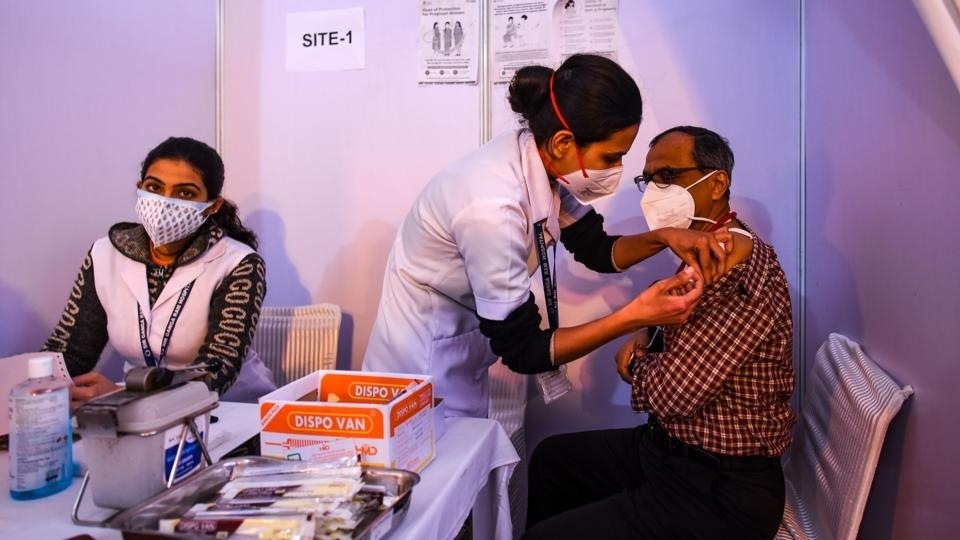
When asked about the Covid-19 cases in the country, Singh said that the risk of the infection still remained high and no country was “out of the woods” yet, irrespective of their current transmission scenario, news agency PTI reported.
“Hence, even though some cities or states may be beginning to see plateauing of cases, the risk persists. We need to continue to remain vigilant. Our focus must be on reducing transmission. Implementing situation-specific public health and social measures and increasing vaccine coverage - that's the way forward for all countries in the ongoing pandemic," she told PTI regarding the situation in India.
Also read | Covid-19 third wave peak over in Maharashtra: State health minister
The remarks from the WHO official came after the Union health ministry on Thursday said that Covid cases have been stabilising in some regions within the country, however, cautioned that the trends needs to be observed.
“Early indication of a plateau in cases are being reported in certain geographies. The trend needs to be observed and required precautions need to be continued,” joint secretary Lav Agarwal said during a press briefing.
On Saturday, 235,532 more people tested positive for the disease, a slight decline from the 251,209 new cases reported on the previous day.
Briefing on the Omicron variant which is attributed with the third Covid wave in the country, Singh said that the variant appeared less severe but also cautioned against increasing hospitalisations.
"There appears to be a lower risk of severe disease and death following Omicron infection as compared to other variants. However, due to the very high numbers of cases, many countries have seen a significant increase in the incidence of hospitalisation, putting pressure on healthcare systems," she said.
Further, she also said that vaccination remained an effective method that helped in reducing the risk of severe illness after infection by the variant.
"There is growing evidence on vaccine effectiveness for Omicron, but we still have a lot to learn. So far, we think that vaccines are less effective against Omicron infection and symptomatic disease compared to Delta. Having a booster shot seems to increase protection," she said.
She also stressed on the importance of non pharmaceutical interventions such as following distancing, avoiding crowds, wearing facemasks and regular hand sanitisation in checking the spread of the variant.
(With PTI inputs)


