
 E-Paper



SC allows Kerala govt to proceed with household survey
Senior advocate Kapil Sibal, appearing for the Kerala government, submitted that not even “a single paisa” had been paid to volunteers engaged in the exercise


The Supreme Court on Tuesday cleared the decks for the Kerala government to proceed with its “Nava Kerala Citizen Response Programme”- an initiative aimed at collecting feedback from households on welfare measures through committees and volunteers. The state is scheduled to go for assembly polls in April.
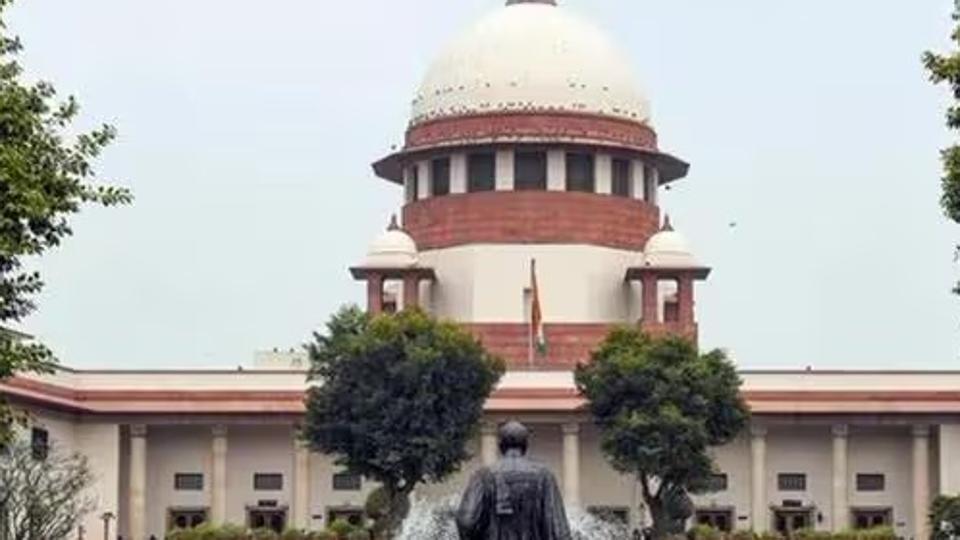
Staying a recent Kerala High Court judgment that had quashed the scheme, a bench comprising Chief Justice of India Surya Kant and justice Joymalya Bagchi passed the interim order while issuing notice on the state’s appeal. The bench, however, directed the state to submit, at an appropriate stage, a report detailing the expenditure incurred on the programme.
During the hearing, the bench questioned the basis of the high court’s interference. “Why cannot a State find out the effects of its schemes and how can it be improved? What is wrong with that?” asked the bench, admitting the state’s appeal against the February 17 judgment of the high court.
Senior advocate Kapil Sibal, appearing for the Kerala government, submitted that not even “a single paisa” had been paid to volunteers engaged in the exercise, countering allegations that public funds were being misused.
Senior counsel Narendra Hooda, appearing for the petitioners before the high court, argued that the programme was, in effect, a political public relations campaign carried out at State expense ahead of elections. He pointed to statements allegedly made by the CPI(M) state secretary about the initiative even before its official notification, contending that party workers were being deployed to visit households under the garb of a government scheme.
“The ploy is they send party workers to each house at the Government’s expense. More than ₹20 crore, which was not part of the appropriation bill, has been allocated for this. This is a publicity scheme by the party on the eve of election at government expenditure. This is the high court’s scathing finding,” Hooda submitted.
Despite the objections, the Supreme Court stayed the high court’s decision. “Issue notice. Meanwhile, the operation of the judgment dated 17th February, 2026 shall remain stayed. The state shall at an appropriate stage submit a report with respect to the expenditure incurred,” the bench recorded in its order.
Also Read: Cut-off virtually zero: SC says Centre must justify NEET-PG 2025 percentile reduction
The “Nava Kerala Citizen Response Programme” had been launched through a government order dated October 10, 2025. It envisaged the formation of committees and the engagement of volunteers to spread awareness about government schemes and collect feedback from citizens at the household level.
The scheme was challenged before the high court on the ground that it amounted to a publicity campaign for the ruling dispensation, allegedly using party workers and public funds in violation of financial norms and the Rules of Business.
The Kerala High Court had allowed two public interest litigations and directed the state to keep in abeyance all further steps in connection with the programme, holding that the utilisation of funds under the Information and Public Relations Department was legally unsustainable. It said that the state government cannot use public funds and machinery for a large-scale household survey that resembles a political campaign ahead of the Assembly elections.



