E-Paper



SC criticises misuse of anti-dowry legislation for ‘personal vendetta’
“There has been a growing tendency to use Section 498A as a tool to unleash personal vendetta against the husband and his family members,” said a SC bench

 Prefer HTon Google


The Supreme Court on Tuesday strongly criticised the growing misuse of Section 498-A of the Indian Penal Code (IPC), commonly known as the anti-dowry law, noting that it is increasingly being exploited to settle “personal vendettas” or exert undue pressure on husbands and their families.
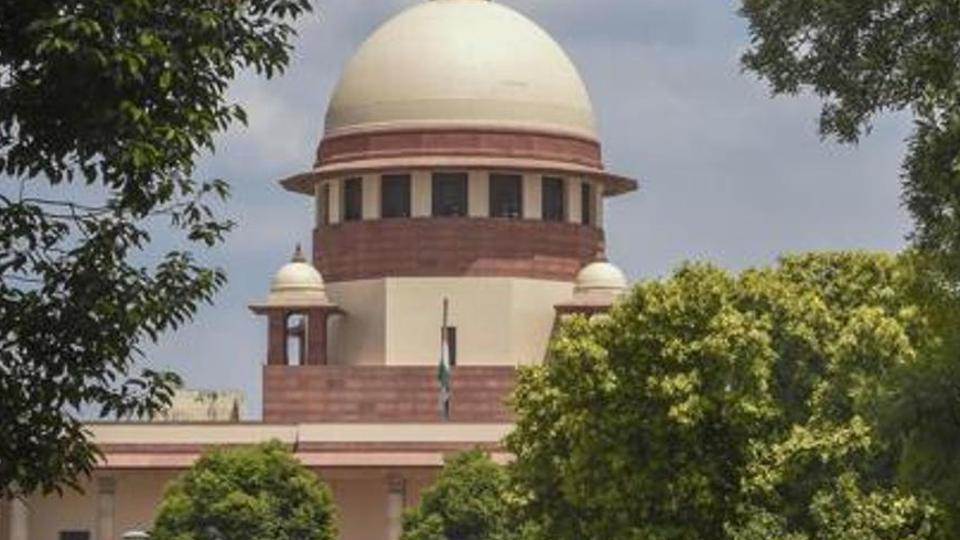
“There has been a growing tendency to use Section 498A as a tool to unleash personal vendetta against the husband and his family members,” said a bench comprising justices BV Nagarathna and N Kotiswar Singh, emphasising the need for judicial scrutiny to prevent the unwarranted implication of innocent individuals.
The bench highlighted the misuse of the provision, lamenting that exaggerated and unsubstantiated allegations often feature in complaints, leading to the unnecessary inclusion of distant relatives. It clarified that charges under Section 498A should only be brought against individuals with specific allegations of involvement. The court also advised caution in cases where the law is used as retaliation in “counterblast” by women, stressing that such tendencies defeat the purpose of the legislation.
“We are not for a moment suggesting that women should stay silent or refrain from initiating criminal proceedings when warranted. However, courts must guard against cases where Section 498A is employed as a counterblast to proceedings initiated by husbands or their families,” the bench observed.
It added that courts must “nip in the bud” any misuse of the law to ensure it is not used to harass the accused or pressure them into acceding to unreasonable demands. Section 498A has been replaced by Section 86 of the Bharatiya Nyaya Sanhita (BNS), effective from July 1.
The judgment serves as a reminder that legislative safeguards must not be weaponised to perpetuate injustice, urging courts to strike a balance between protecting the rights of women and ensuring fair treatment for those accused.
The court’s observations came while quashing criminal proceedings against a man, his parents and married sisters who lived in different cities. In this instance, the complainant had made sweeping allegations against the husband’s relatives without providing clear evidence of their involvement. Calling it a “stark example” of misuse, the bench noted that over-implication not only burdens the judicial system but also causes undue psychological and social harm to those wrongfully accused.
The judgment also reflects a growing trend in judicial pronouncements advocating restraint in prosecuting cases under Section 498A. The court referenced several past judgments that have flagged the dangers of over-implication. In the Preeti Gupta Vs State of Jharkhand (2010) case, the Supreme Court had warned against exaggerated complaints under Section 498A, highlighting how vague and generalized accusations often dragged individuals with little or no involvement into criminal trials. Similarly, in Geeta Mehrotra vs State of Uttar Pradesh (2012) and Kahkashan Kausar vs State of Bihar (2022), the court underscored that casual references to family members without evidence of active participation in the alleged harassment do not warrant prosecution.
In Arnesh Kumar Vs State of Bihar (2014), the court took a stringent stance against routine arrests under Section 498A. It mandated that arrests in such cases should only follow thorough investigations, cautioning against the harassment of innocent individuals. Further, the court recommended the establishment of family welfare committees in the Rajesh Sharma Vs State of UP (2017) judgment to scrutinise complaints before police action, aiming to curb frivolous filings.
The court’s concerns were echoed in a recent judgment on October 21, where it reiterated the need for judicial vigilance to prevent exaggerated allegations and indiscriminate prosecution. This judgment reinforced the judiciary’s responsibility to balance the rights of women with the need to protect innocent individuals from being ensnared in malicious litigation. Another top court judgment on November 26 cautioned courts against the indiscriminate prosecution of a husband’s relatives in dowry harassment cases, ruing the growing tendency to implicate entire families in domestic disputes. It underscored the long-lasting psychological and social scars of individuals who endure wrongful criminal trials, even if they are ultimately acquitted.
Beyond Section 498A, the Supreme Court has also been addressing broader issues in the criminal justice system. In the Satender Kumar Antil case (2022), the court issued detailed guidelines to prevent routine arrests and ensure procedural safeguards. These included requiring police to record reasons for arrests in cases involving imprisonment of less than seven years, issuing proper notices before questioning suspects, and adopting a liberal approach in cases involving women and vulnerable individuals. The court has continued to monitor compliance with these directions, urging state police and central agencies to avoid needless arrests. It has also sought clarity from the Union government on the possibility of introducing a new law to streamline bail procedures and enhance accountability in the justice system.
Advocate Prabhjit Jauhar, who has over two decades of experience in dealing with such cases, lamented that the law is often used as a weapon to seek better financial settlements.
“A look at the National Crime Records Bureau’s (NCRB) data over the last decade would show that more than 80% of such cases end in acquittals. Section 498A is frequently slapped on husbands and their family for settling scores after eruption of marital discord,” Jauhar said. He further pointed out that it is only by virtue of a series of Supreme Court judgments that some safeguards have been put in place to prevent indiscriminate arrests in such cases.