
 E-Paper



SC pulls up Allahabad, U’khand HCs for staying arrests in murder cases
The high court had noted that the prayer for quashing the FIR was “innocuous” and was not pressed for by the accused, but it still allowed them protection from arrest till August 10.


The Supreme Court on Monday expressed shock at the high courts of Allahabad and Uttarakhand routinely issuing stay orders on the arrest of people accused of heinous crimes such as murder.
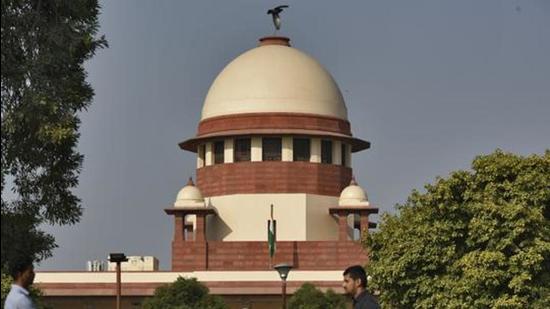
“Despite our orders repeatedly holding that no such order can be passed, the High Courts in Uttar Pradesh (Allahabad) and Uttarakhand are continuously passing such orders,” remarked a bench of justices Dhananjaya Y Chandrachud and MR Shah.
The court’s remarks came while hearing an appeal against a July 23 order passed by the Uttarakhand high court on a plea for quashing the first information report in the murder of a man that named three people as accused. The high court had noted that the prayer for quashing the FIR was “innocuous” and was not pressed for by the accused, but it still allowed them protection from arrest till August 10.
The Supreme Court noted that the offence in the case was of murder and the high court should have been more circumspect. “It is a shocking order passed by the High Court,” the apex court remarked while noting that the order allowed the accused to surrender by August 10 and also get a decision on their bail plea on the same day, if filed. “Further, it goes on to say that if bail is refused, the papers should be sent to a Sessions Judge the same day who will deal with the bail expeditiously.”
Praveen Salar, the complainant in the case and the brother of the victim, appealed in the Supreme Court against this order. His family, as well as the accused, were business rivals, each owning brick kilns in Haridwar.
Salar in his appeal filed through advocate Suhaas Ratna Joshi questioned the high court order staying arrest in such a serious crime and said he wasn’t even heard before the order was passed. At this, the apex court issued a notice to the Uttarakhand government and posted the matter for hearing on September 3.
The bench noted that orders such as this fly in the face of a recent Supreme Court decision authored by a three-judge bench in the Neeharika Infrastructure v State of Maharashtra (April 2019) case that specifically restrained the high courts from passing interim orders of stay of arrest or “no coercive steps” while dealing with writ petitions filed by the accused for the quashing of criminal cases.
Neeharika Infrastructure had lodged an FIR against three people in Mumbai for allegedly selling off high-value real estate by fraud. The high court granted the accused protection from arrest in September 2020, which was challenged by the company in the apex court.
Incidentally, the April 2019 judgment was authored by Justice Shah and the bench was headed by Justice Chandrachud while Justice Sanjiv Khanna was the third member. In the Neeharika case, the Bombay high court had passed an order of “no coercive action” without giving any reasons on a petition to quash the criminal case, which hampered the police investigation.
The apex court had said that when an investigation is in progress and the facts are hazy, “the High Court should restrain itself from passing the interim order of not to arrest or...and the accused should be relegated to apply for anticipatory bail under Section 438 of the Code of Criminal Procedure (CrPC) before the competent court.”
Placing a bar on such action by the high courts, the three-judge bench had said that the high court “is not justified in passing the order of not to arrest or ‘no coercive steps’ either during the investigation or till the investigation is completed and/or till the final report/chargesheet is filed...”


